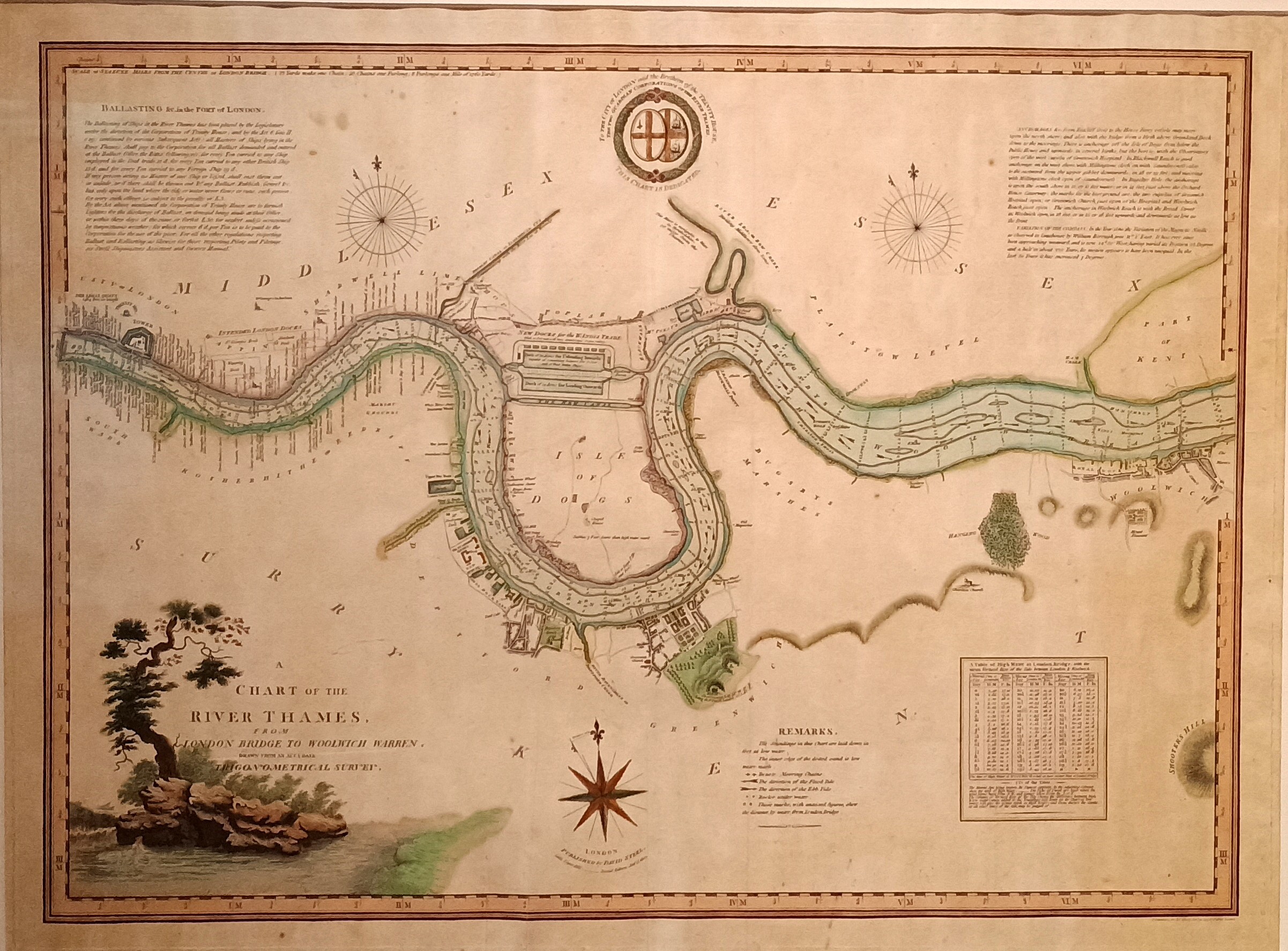
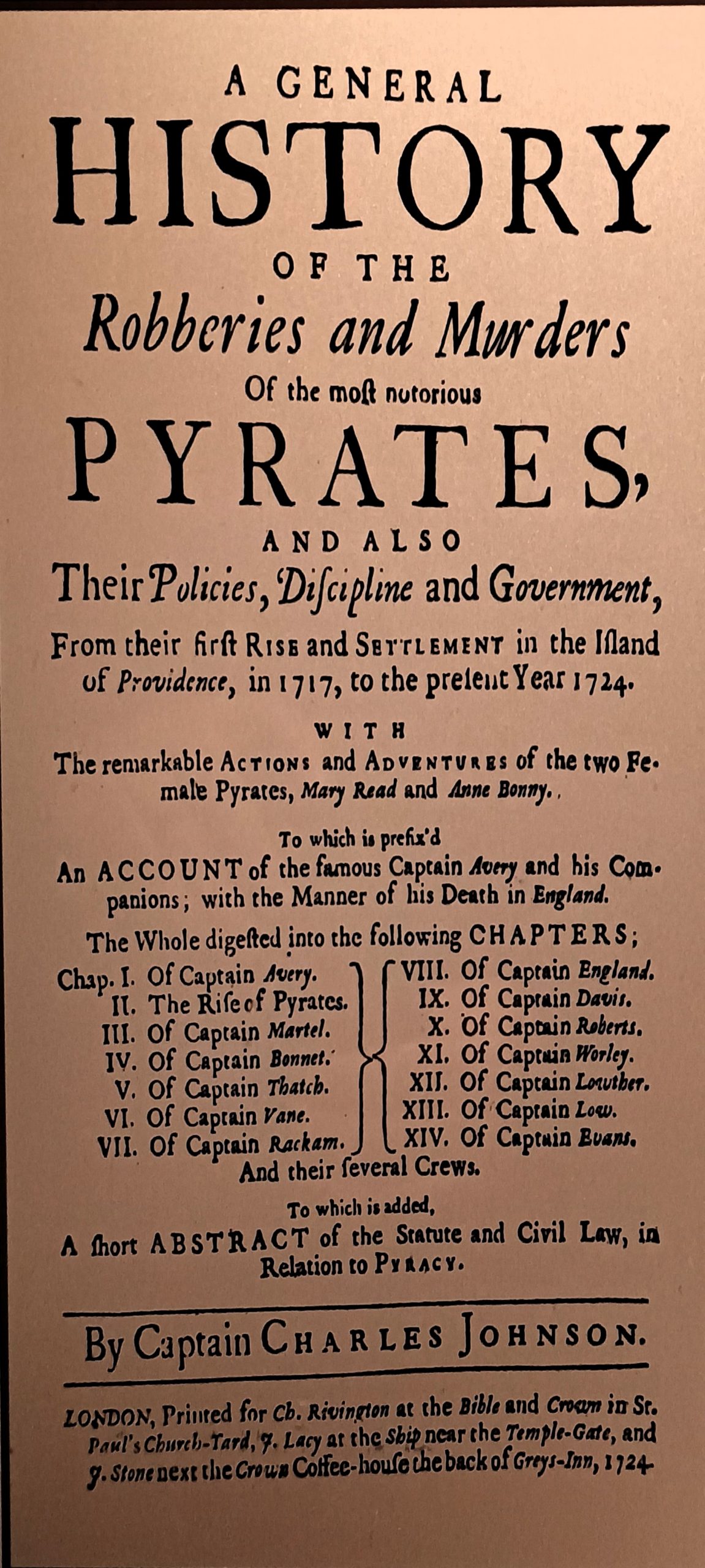
This museum was a treasure trove of the inner workings of the British economy between the 1700-1900s. The economy of London (which was probably the largest economy in the work in the 1800s) was founded on the East India Company (the first multinational corporation in the world I think) and the group that collectively called themselves the West India Company (which dealt with mostly slave trade and products of slavery such as sugar). These companies were so powerful that they actually controlled parts of the world: Caribbean, some of Brazil , Jamaica (I think), and even India itself at one point.
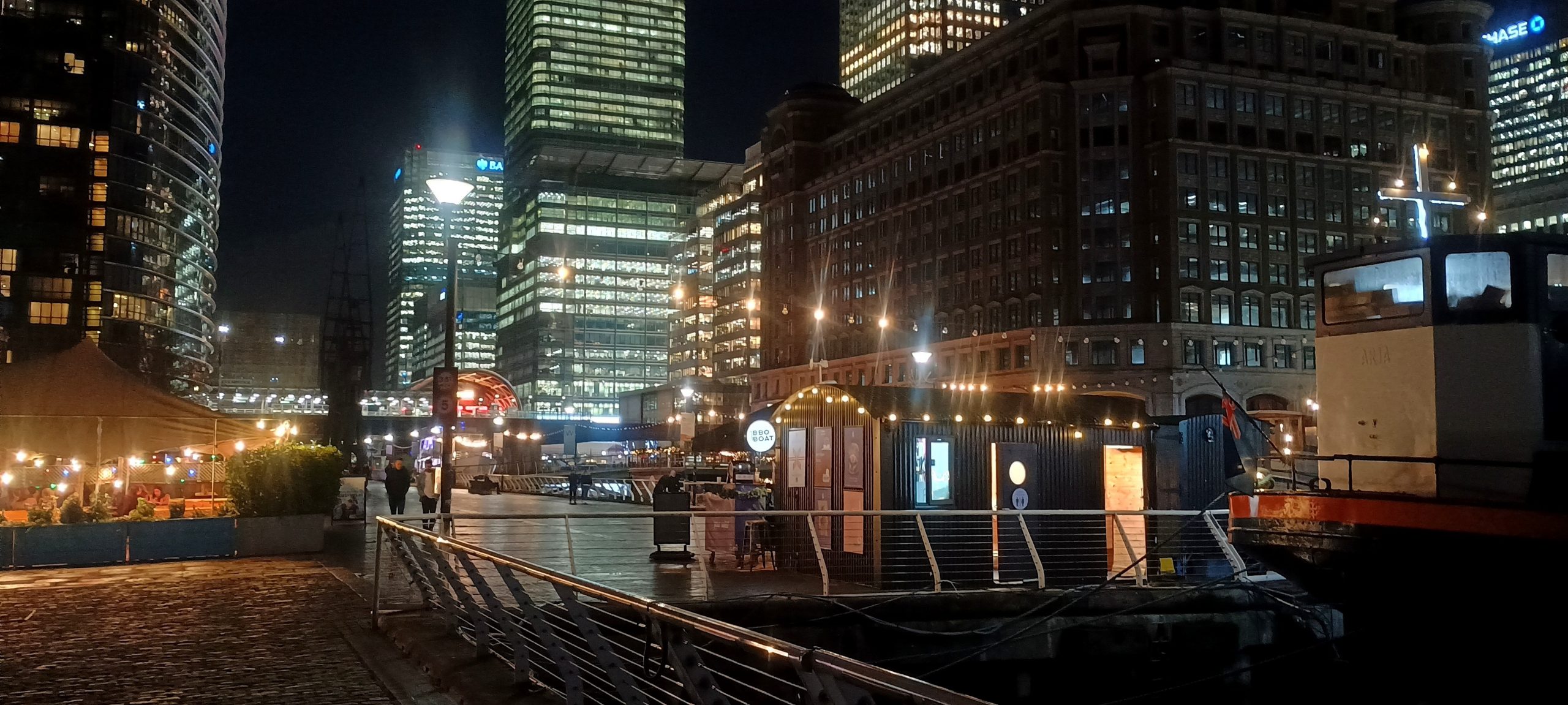
The peninsula was developed to create a canal that was used as docks for many ships at a time. It created a very efficient situation where cargo could be unloaded and protected from thievery. There was even a moat to prevent thefts from occurring. An the penalties for thievery where quite gruesome.
Trigger warning: This post is a bit tough and talks about the slave trade in England. The museum has several other sections, but I spent most all of my time there researching the slave trade aspect of the British Empire, and it was pretty bad. I left out some of the really rough stuff such as how they’d throw slaves overboard if they got sick while in transit. I think about 15% of slaves didn’t survive the trip.
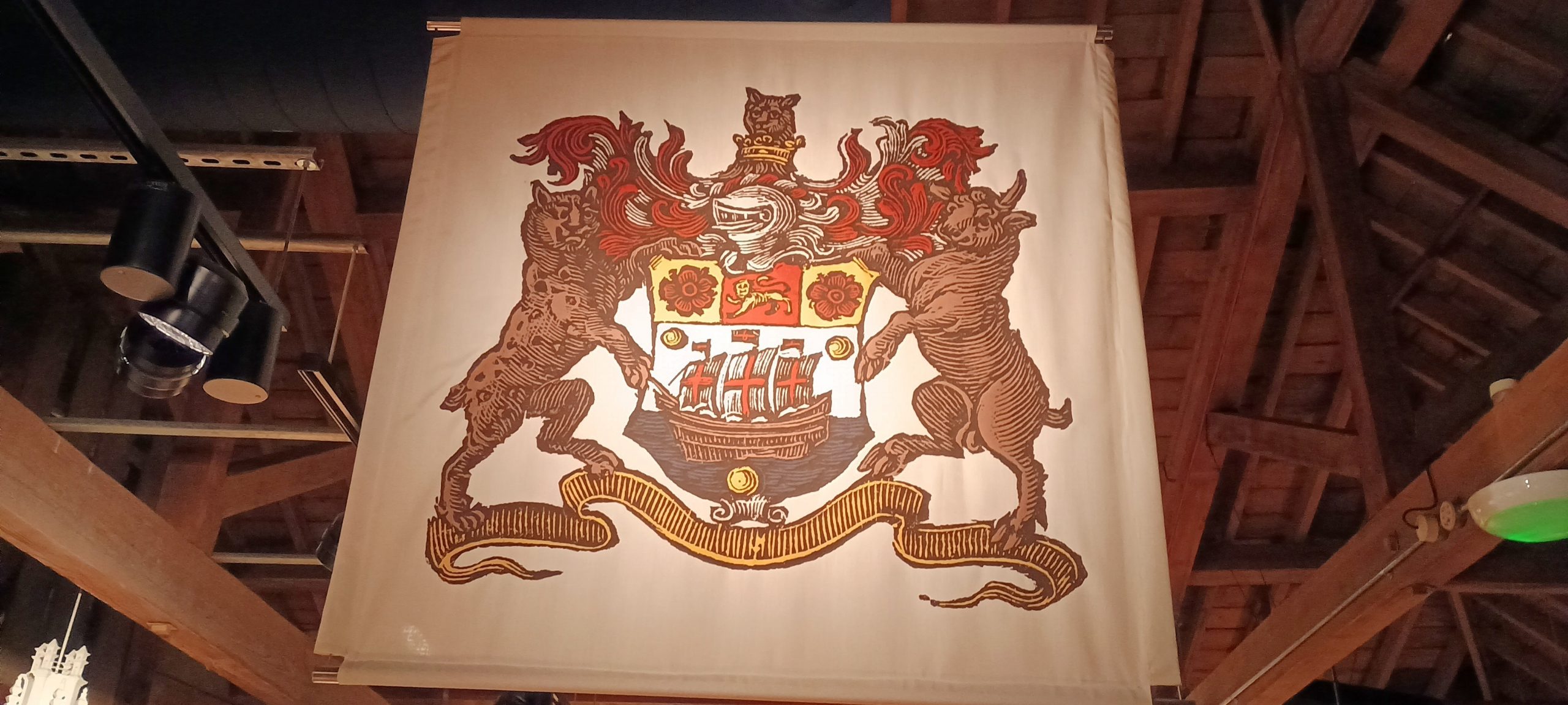
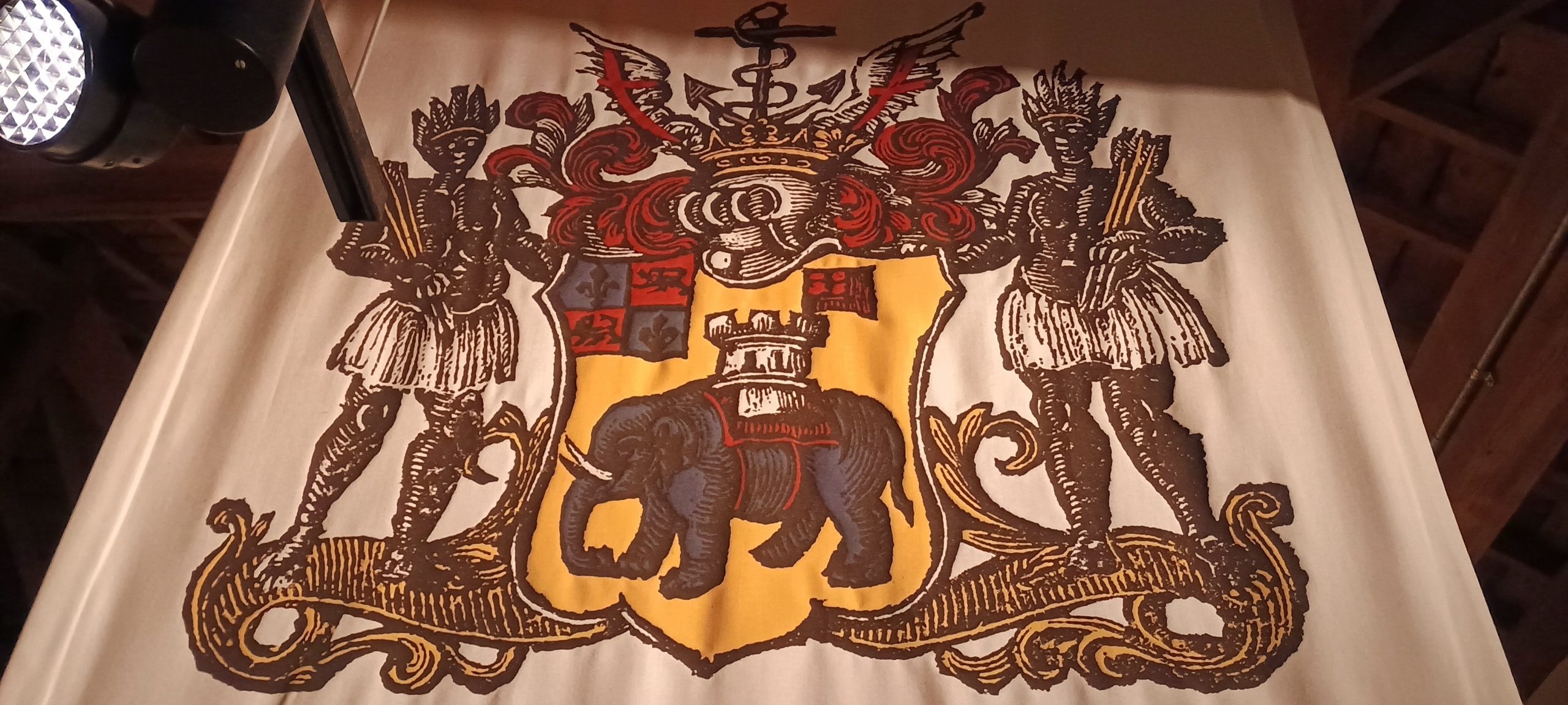
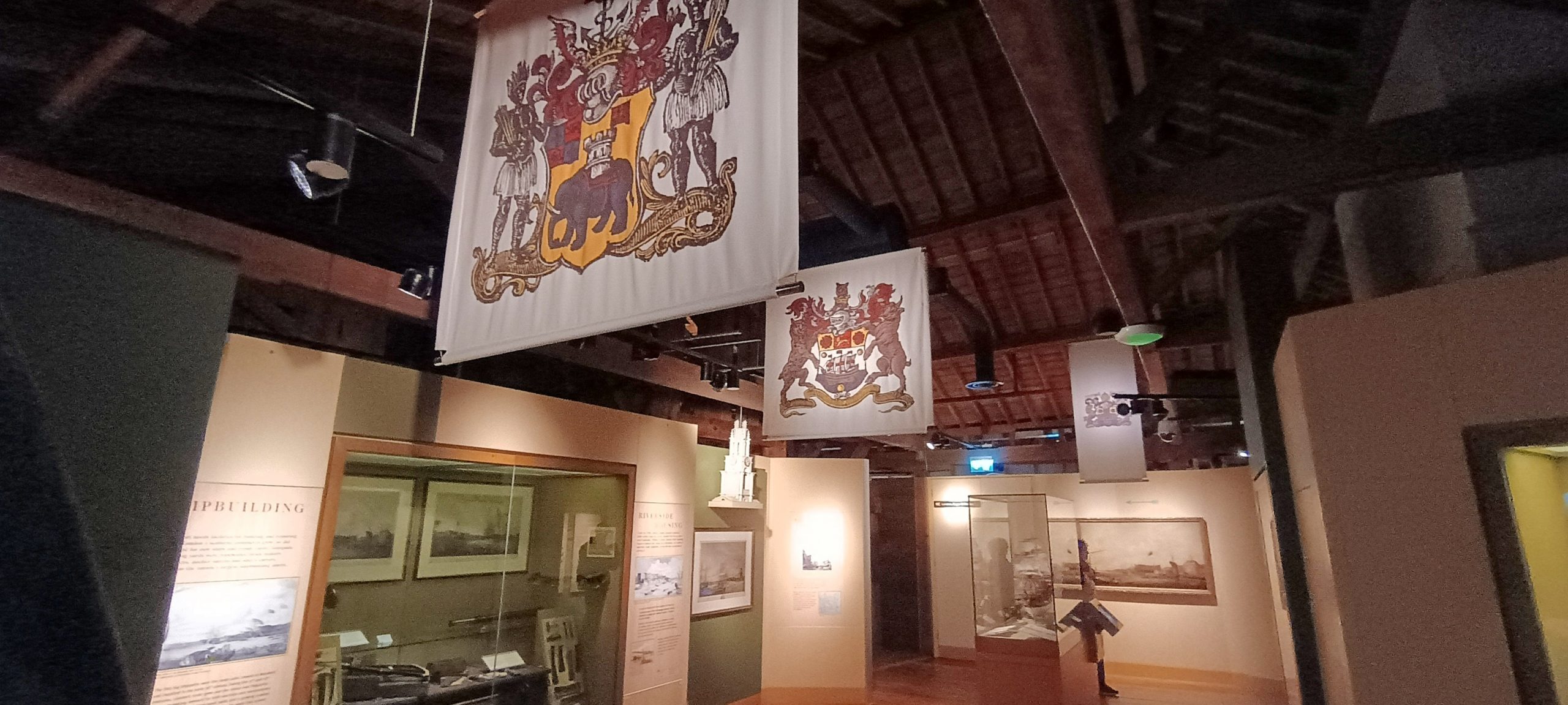
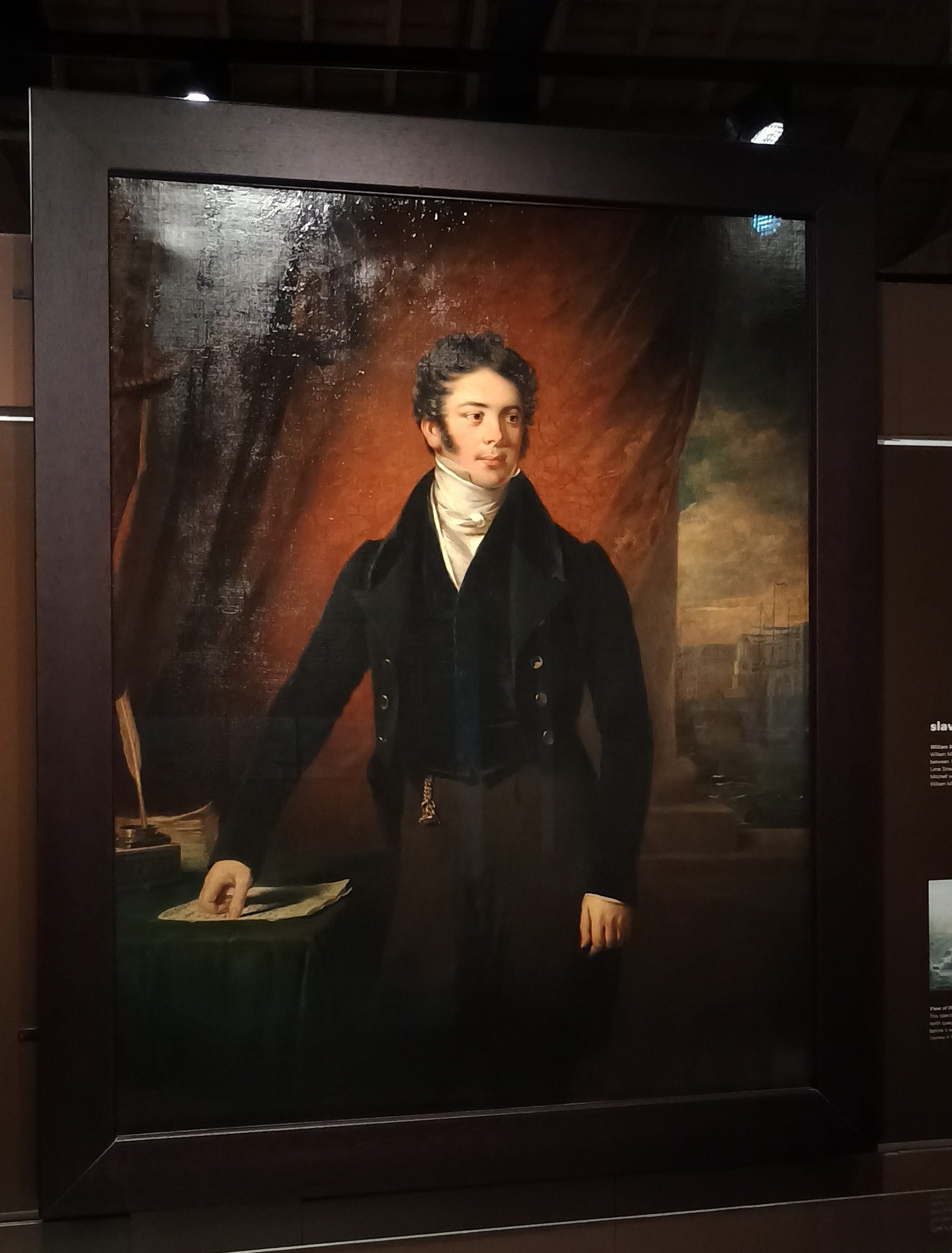
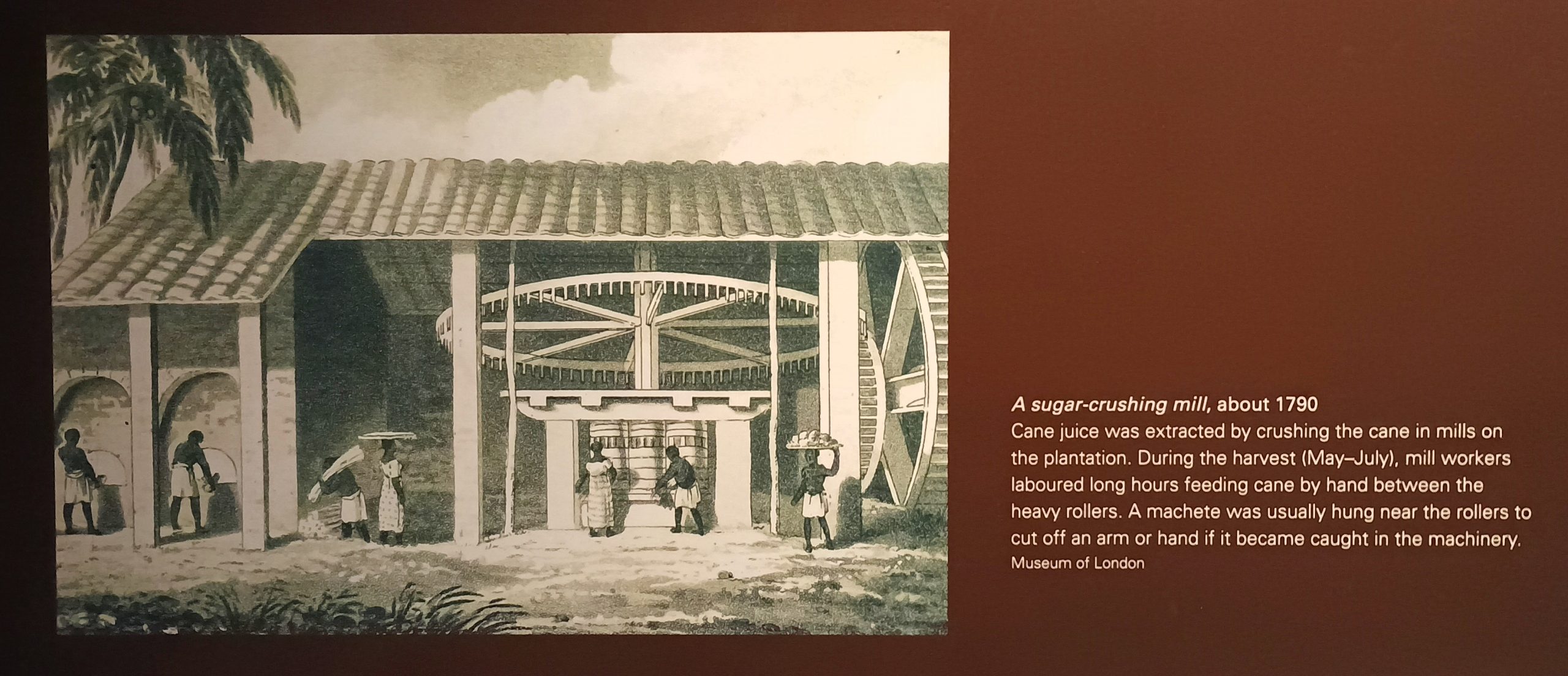
The sad truth was that these harbors were the starting point for the “Triangle Trade” in which slave ships would leave London and pick up slaves to be taken to islands like Jamaica. They would have these slaves grow sugar/etc in Jamaica and would bring the sugar/tobacco/etc back to London. We’re talking MASSIVE amounts of money were made. England was the largest slave trader the world has ever seen (according to Google Gemini AI). They brought a large percentage of the slaves to the new world.
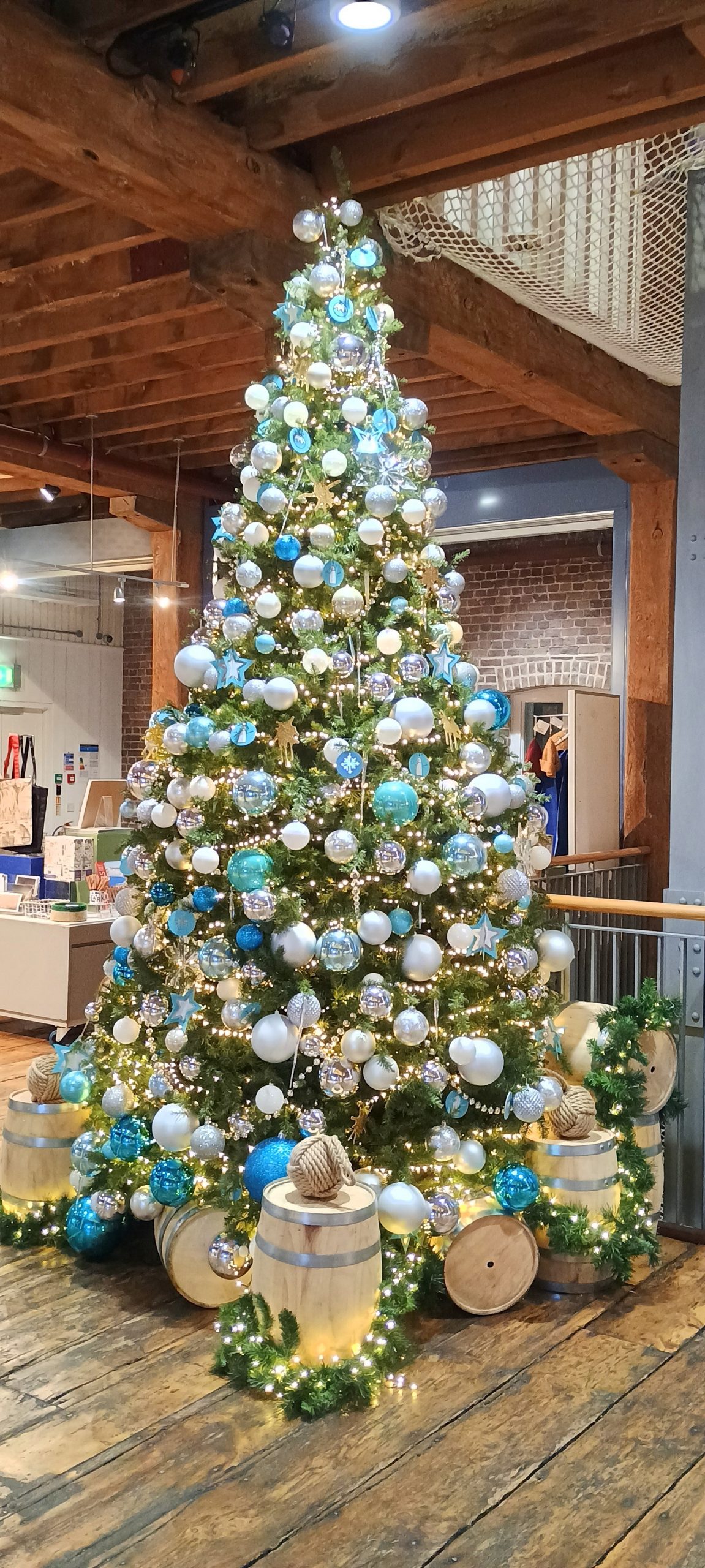
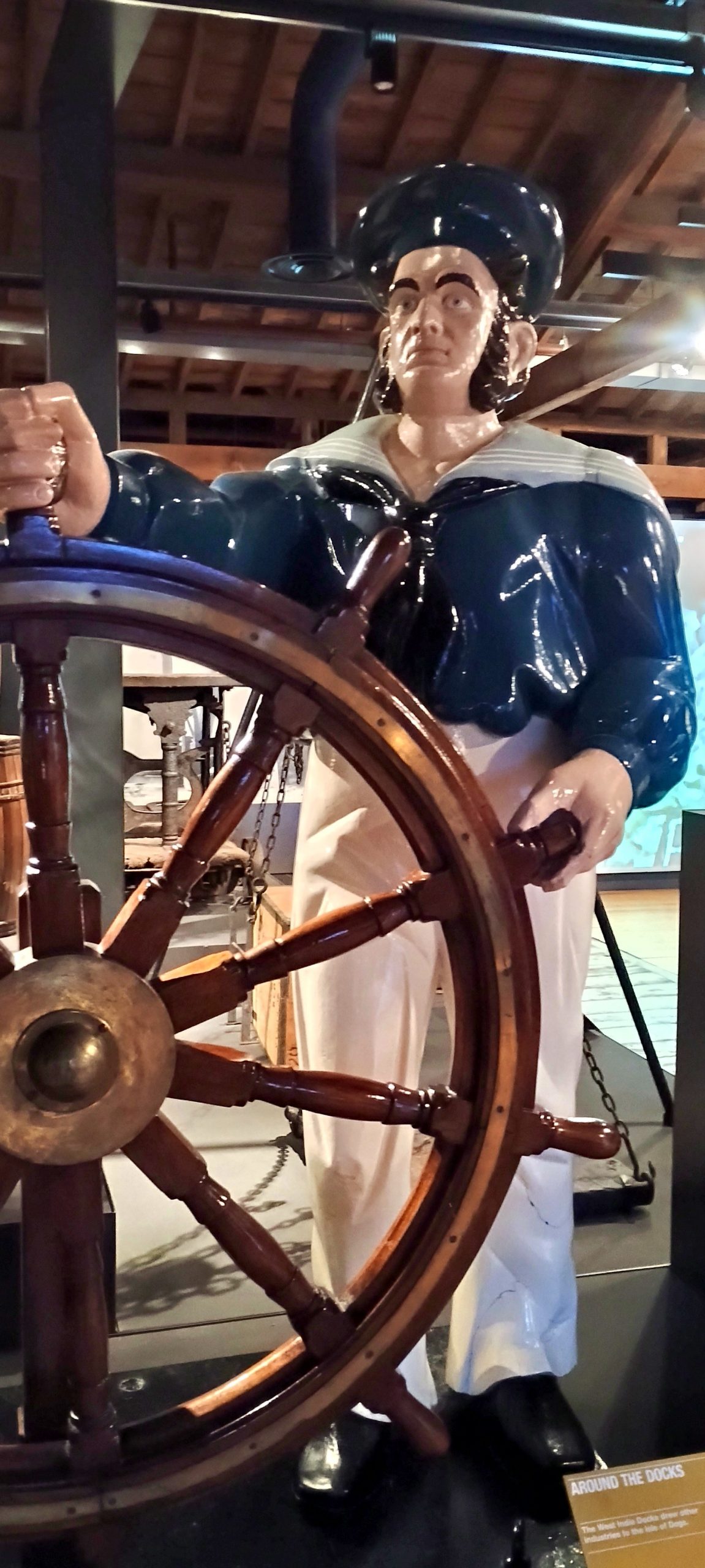
Dock workers were called “dockers”. This is a bit funny to me because in the computer world there’s an important piece of software called Docker which has the purpose of managing “containers”. Makes me wonder if the guy who wrote Docker was English.
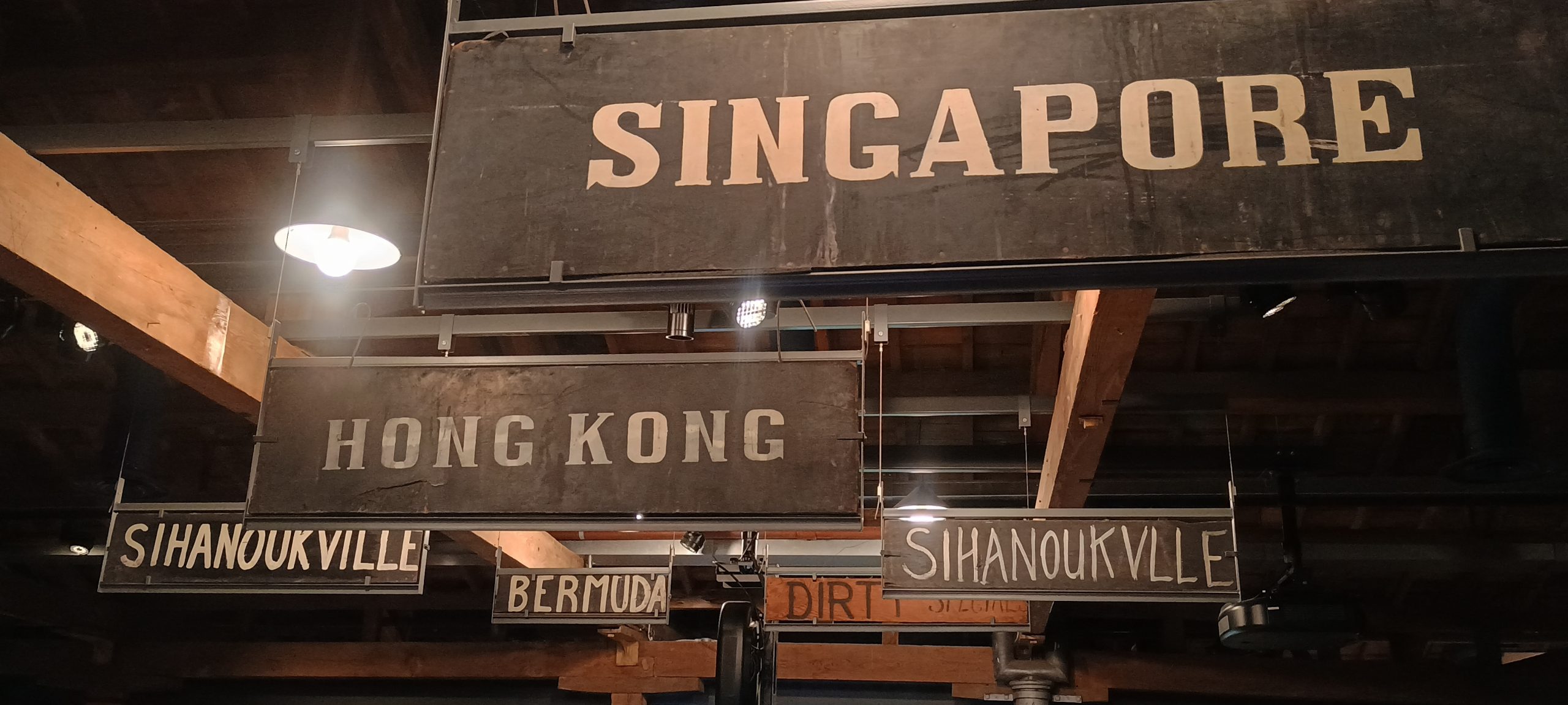
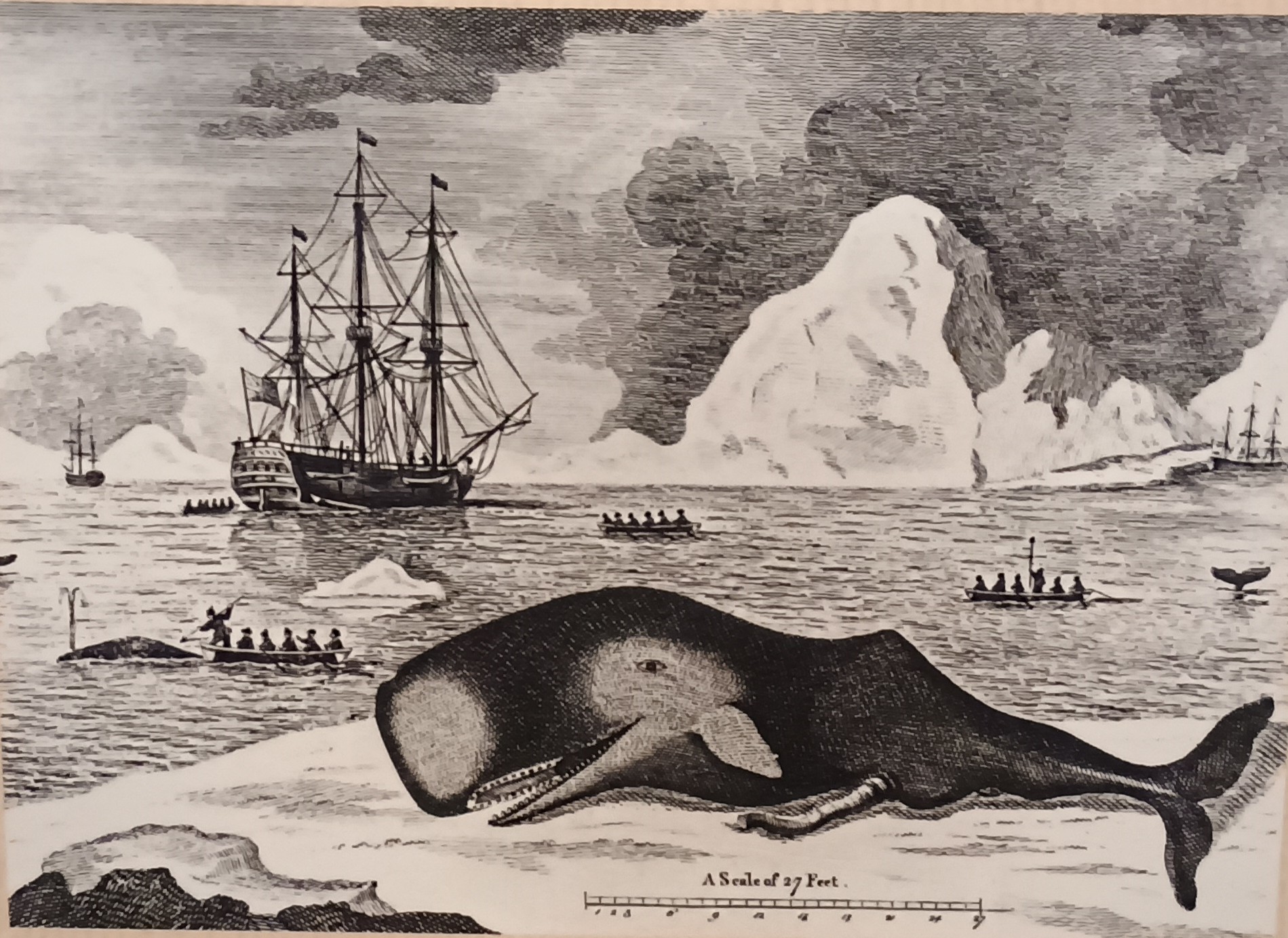
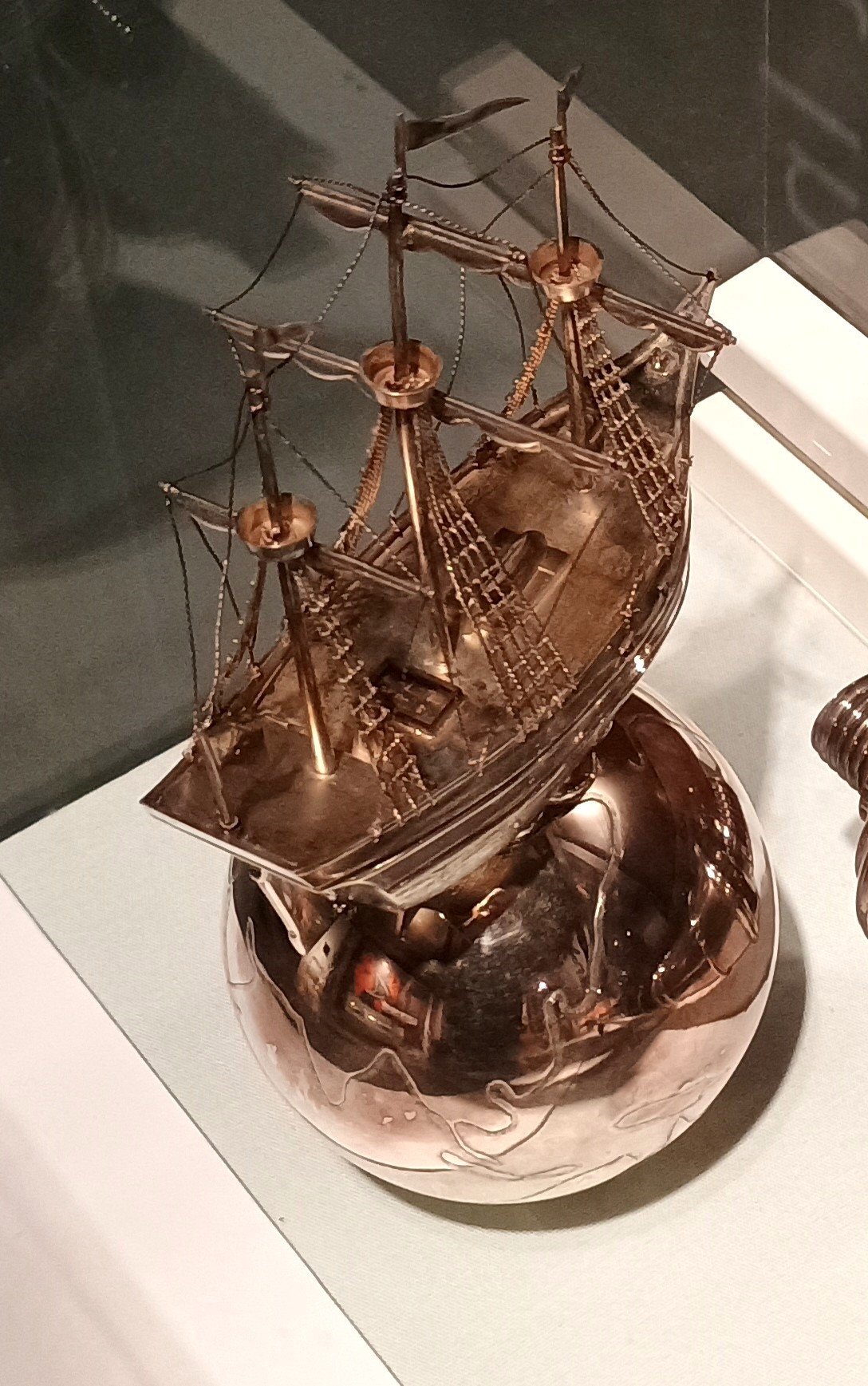
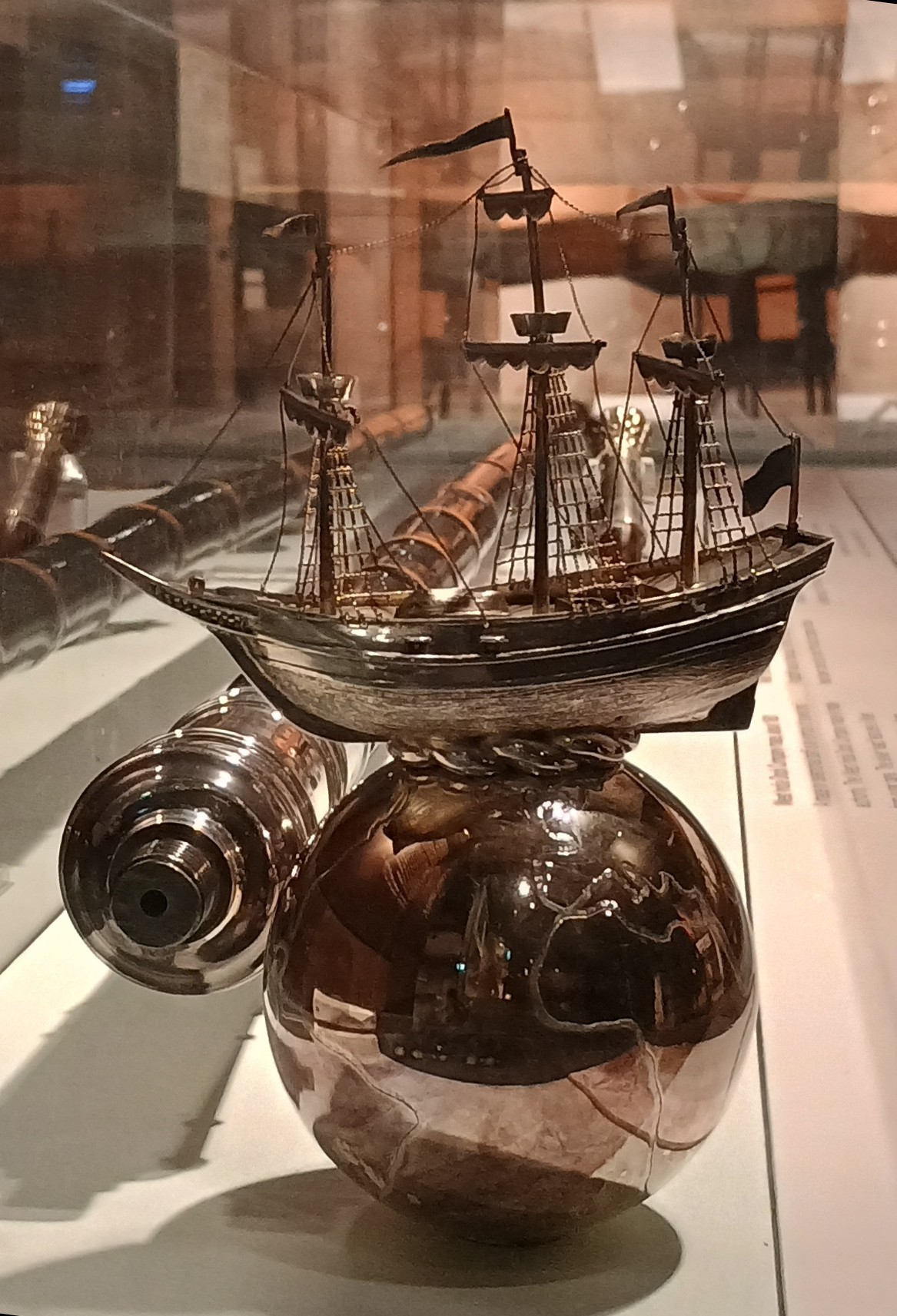
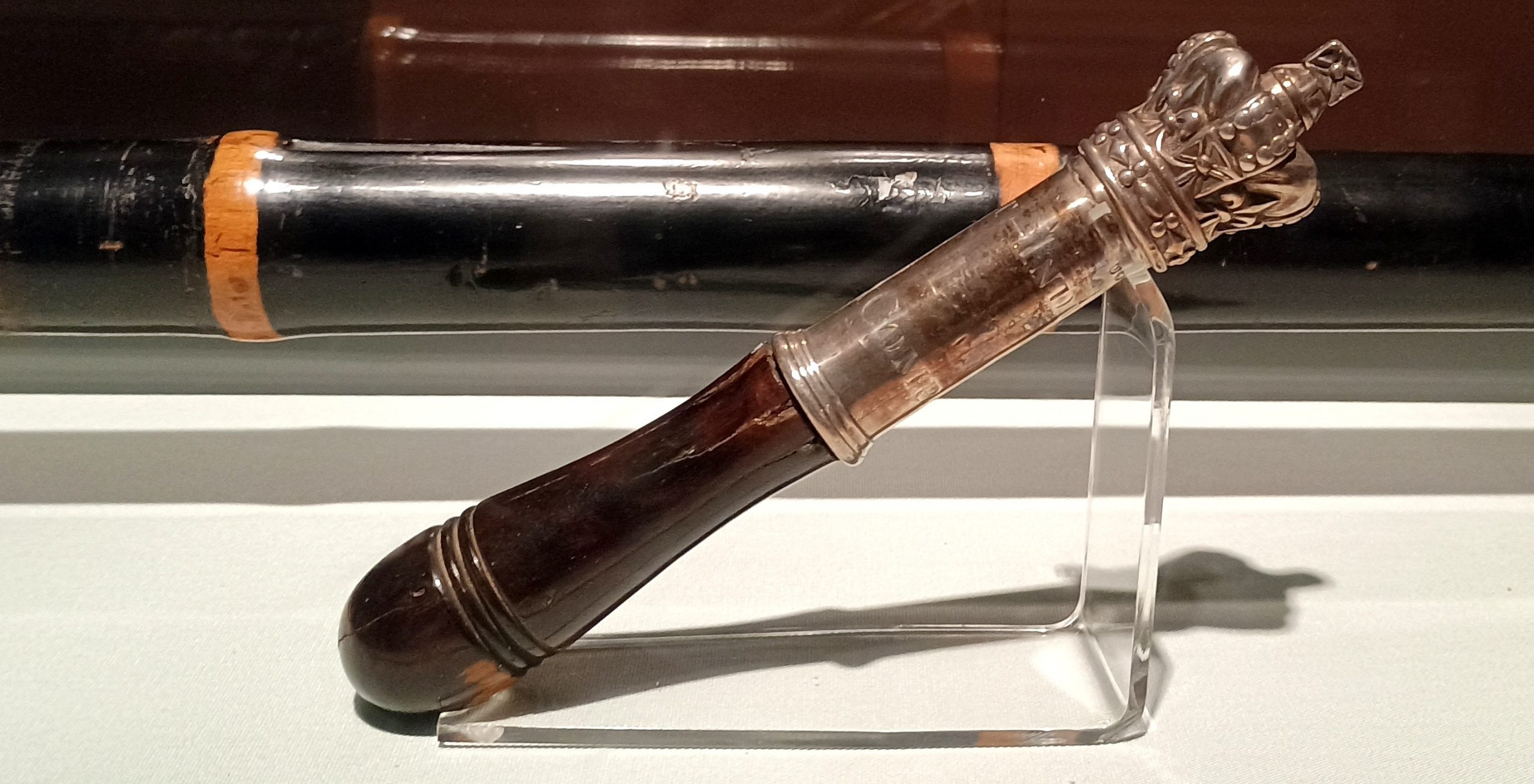
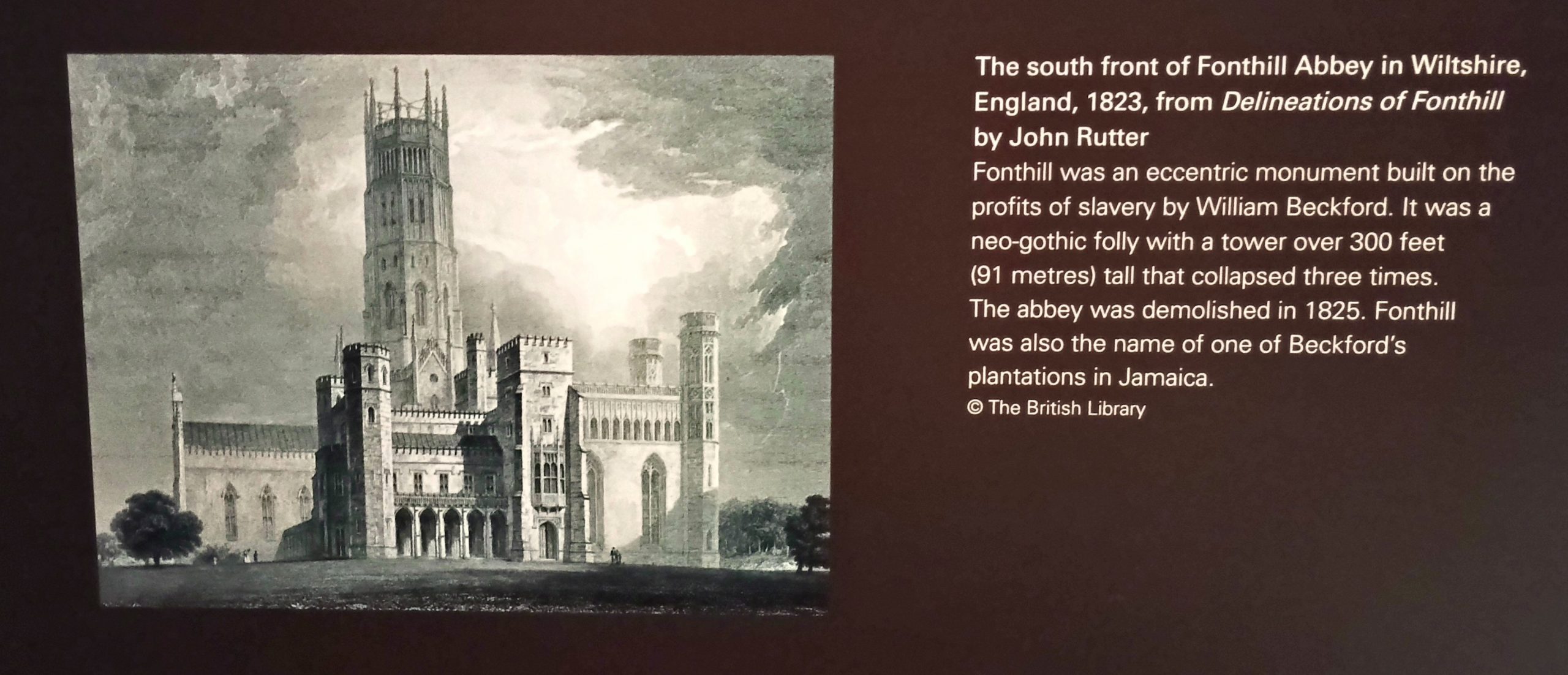
From Gemini: “England (Great Britain after 1707) was the primary transporter of enslaved people to the American colonies that would later form the United States, accounting for approximately
91% of all enslaved people brought to the thirteen colonies from 1514 to 1775″.
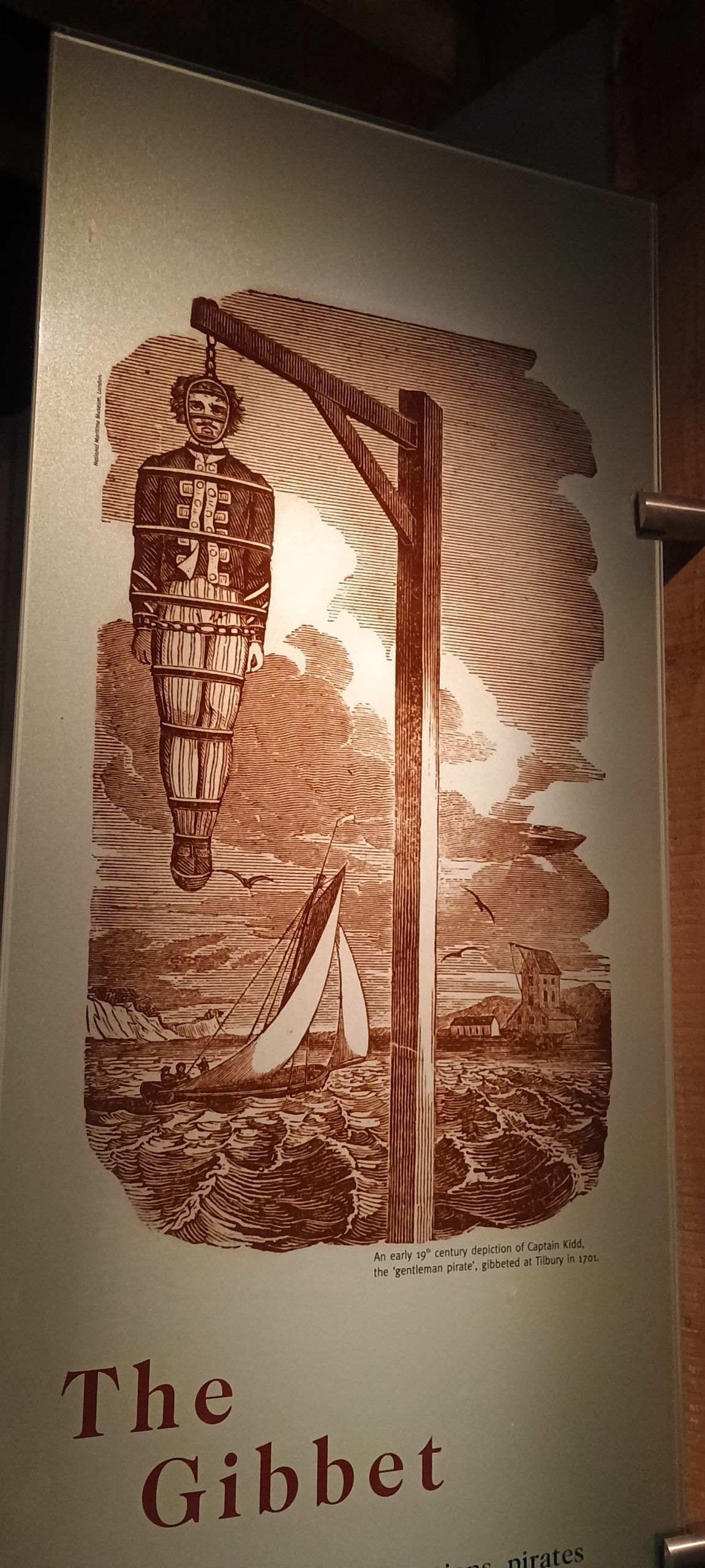
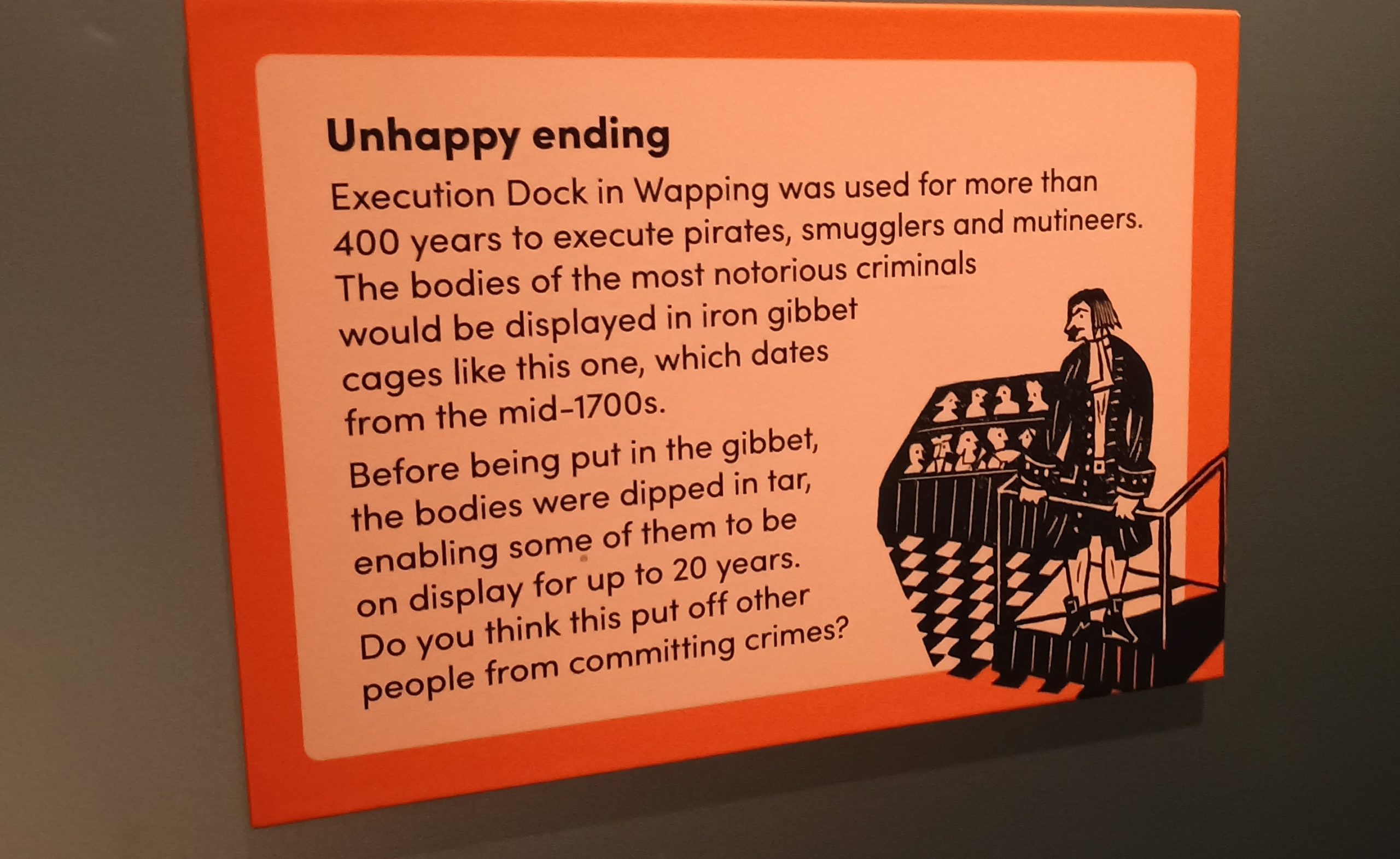
Yup, you read that right. The tar’d bodies of convicted criminals were hung on the docks for up to 20 years (yuk!).
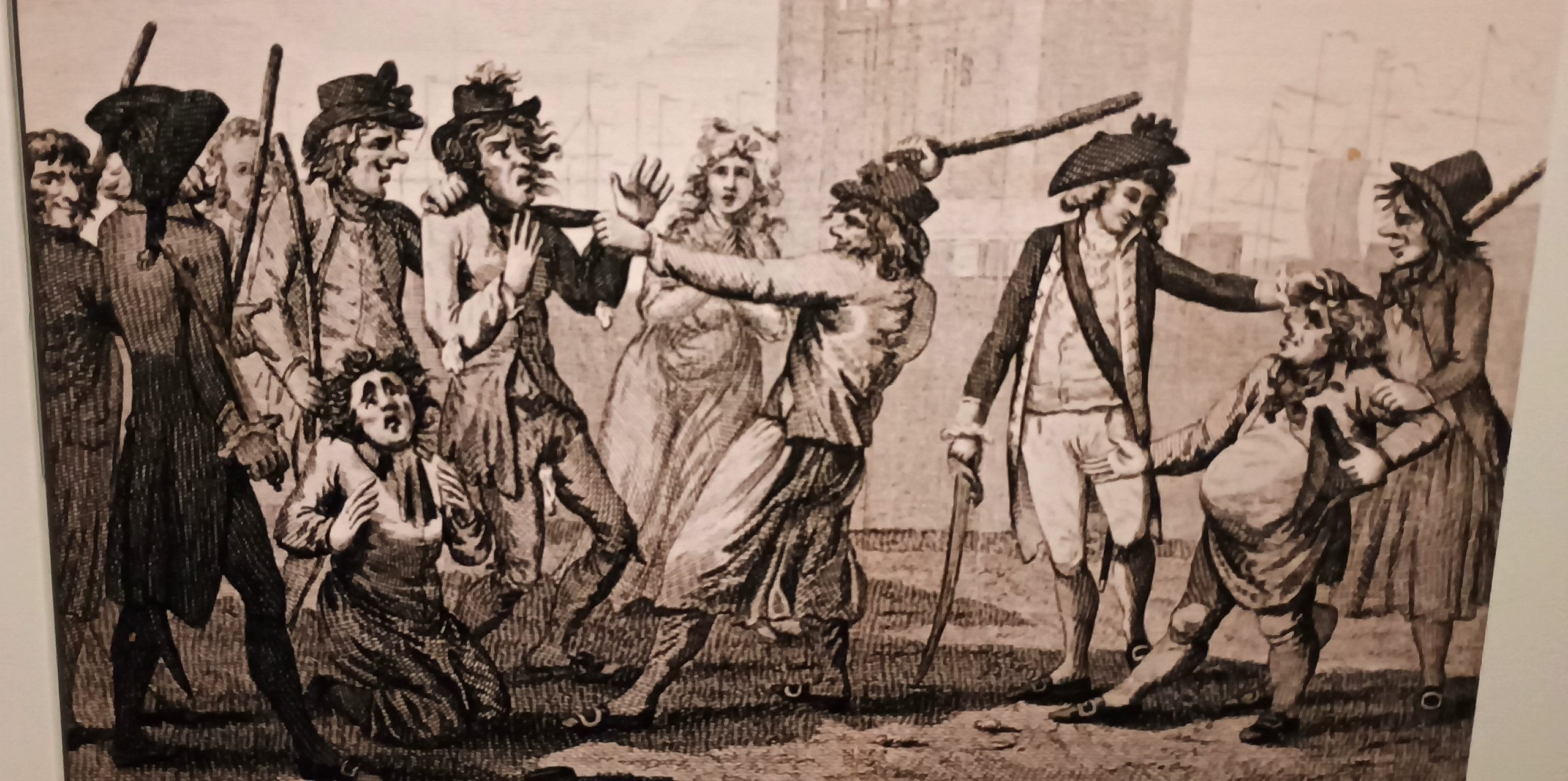
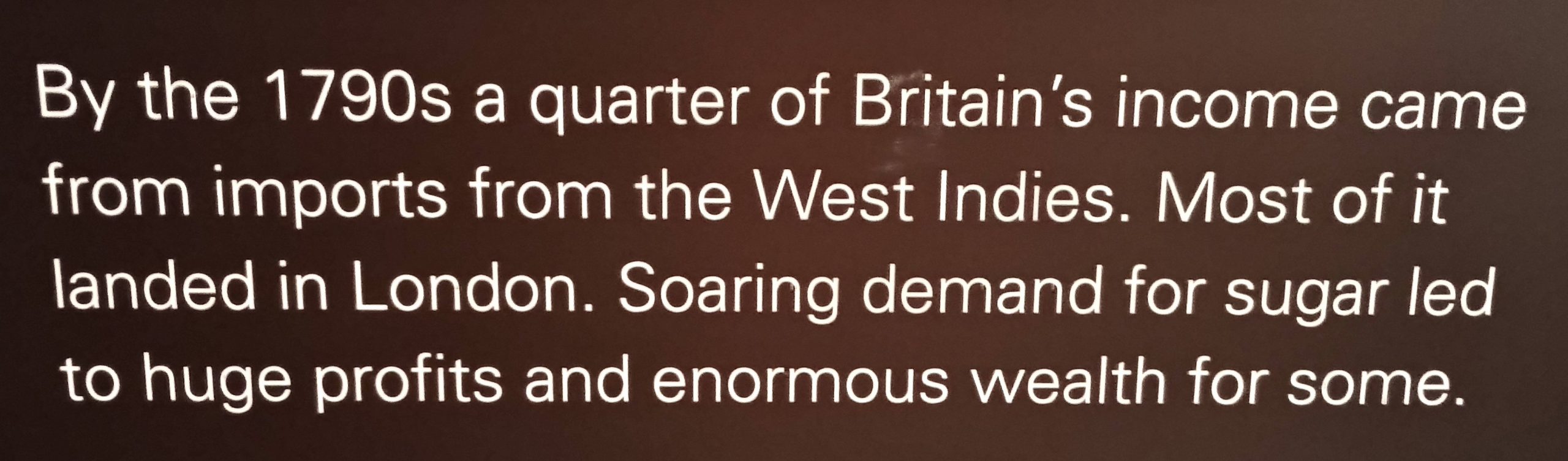
West Indies = Slave trade and slave work in the new world.
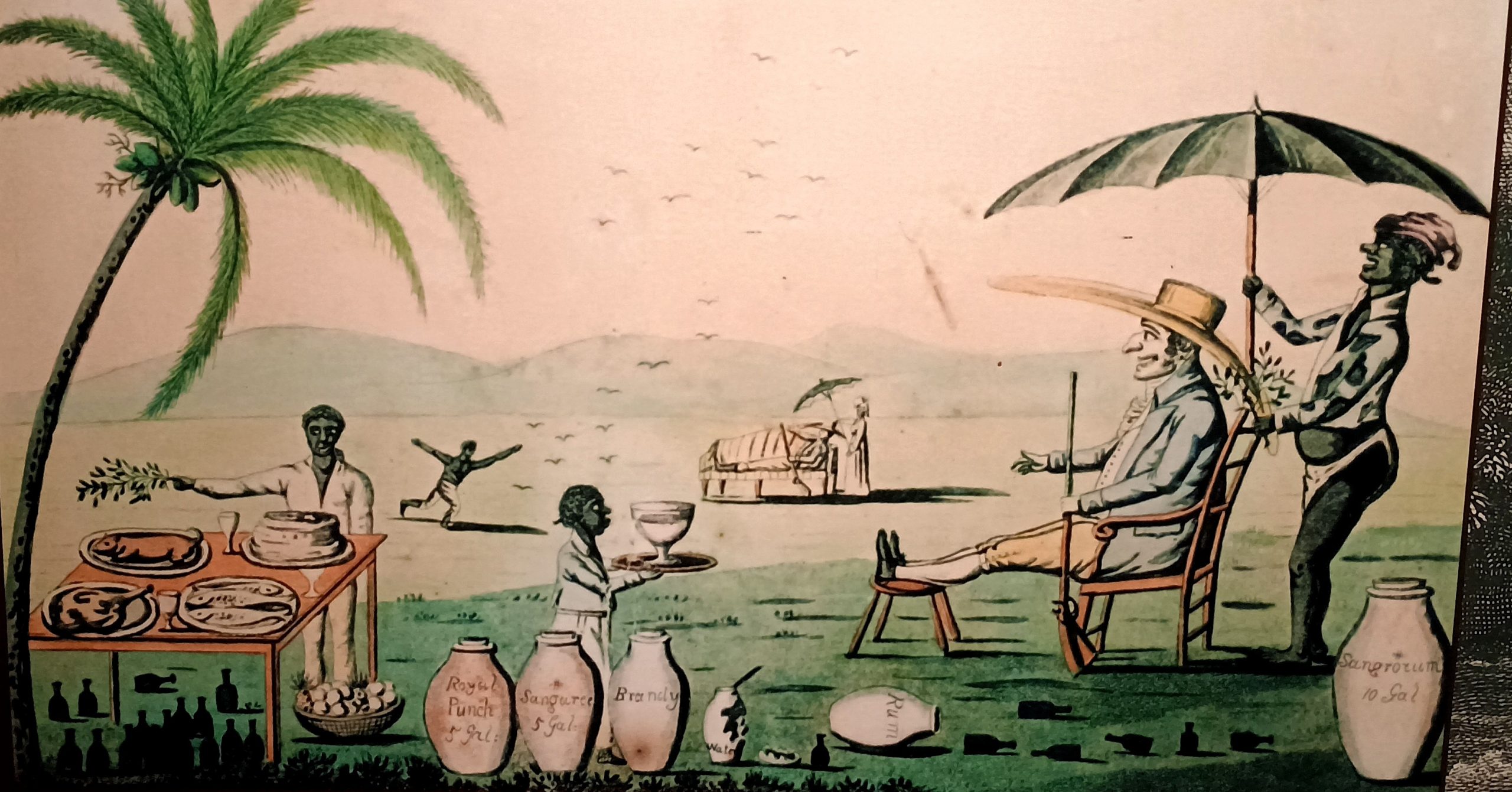
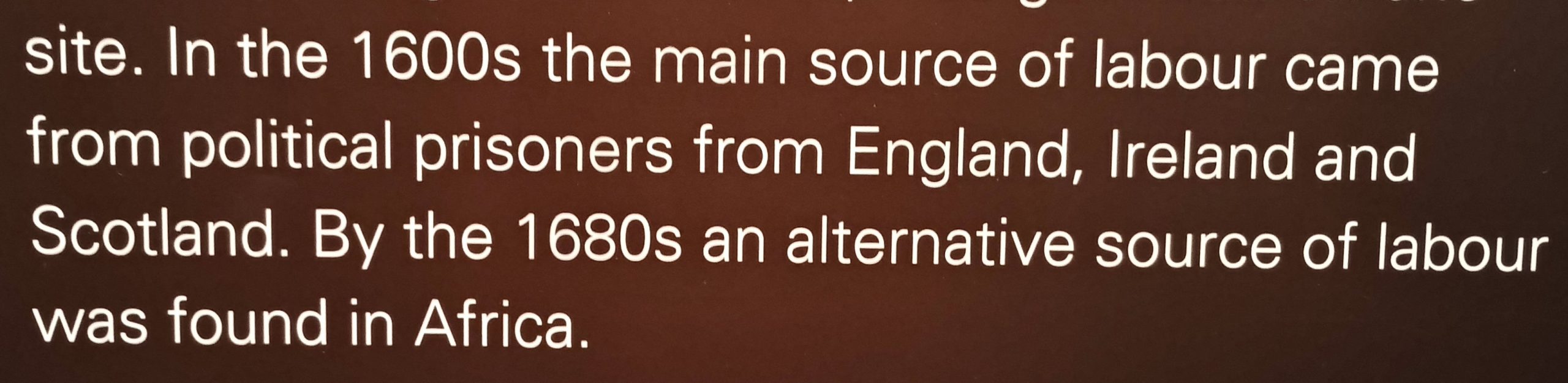
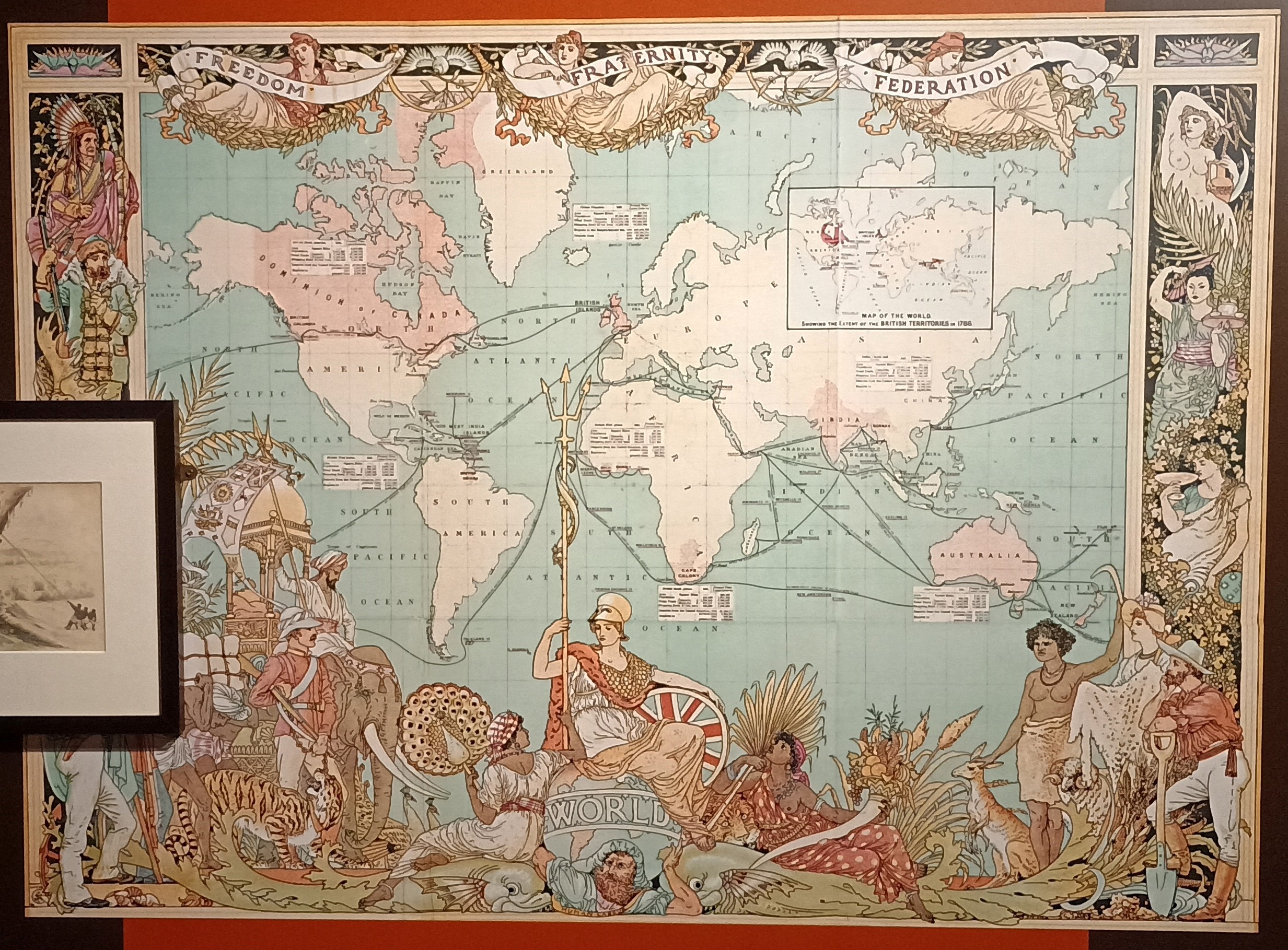
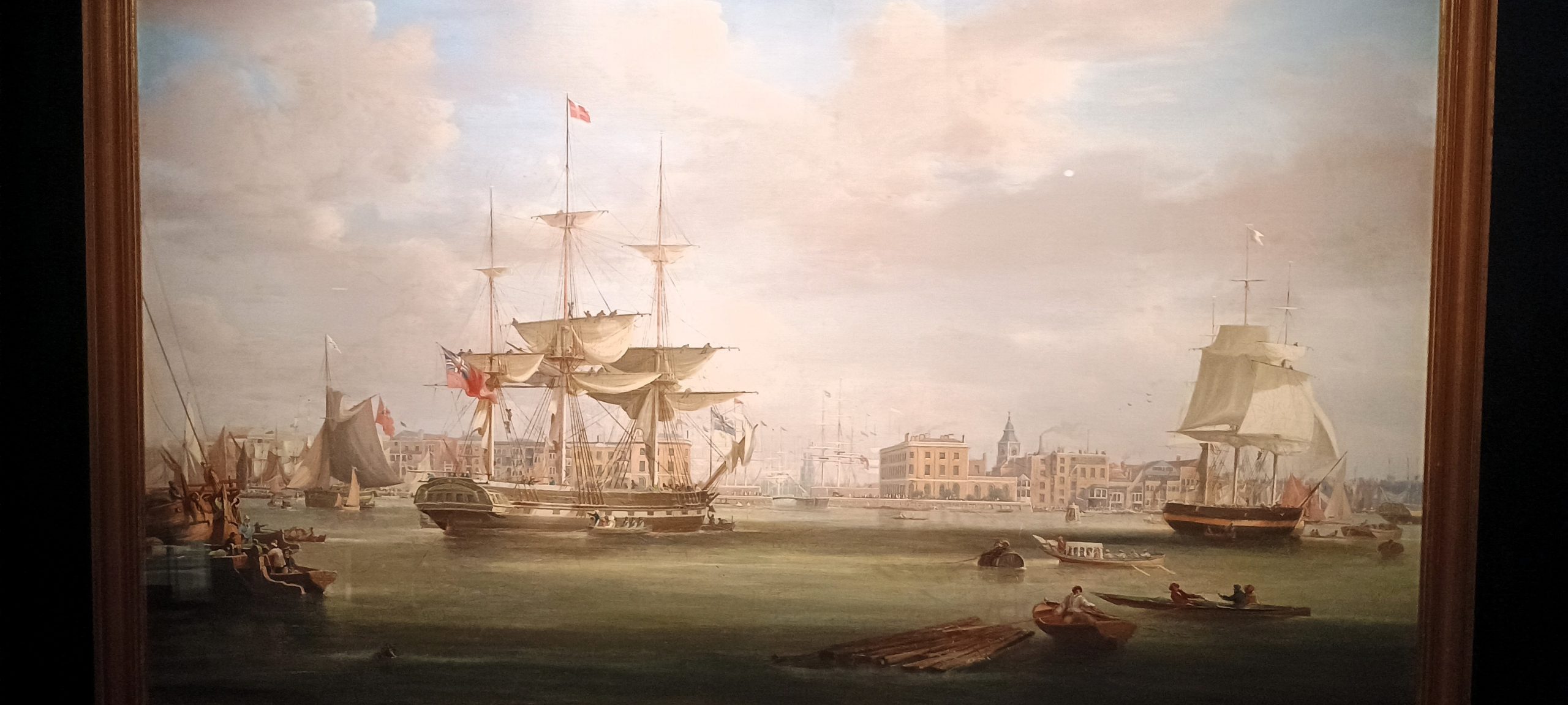
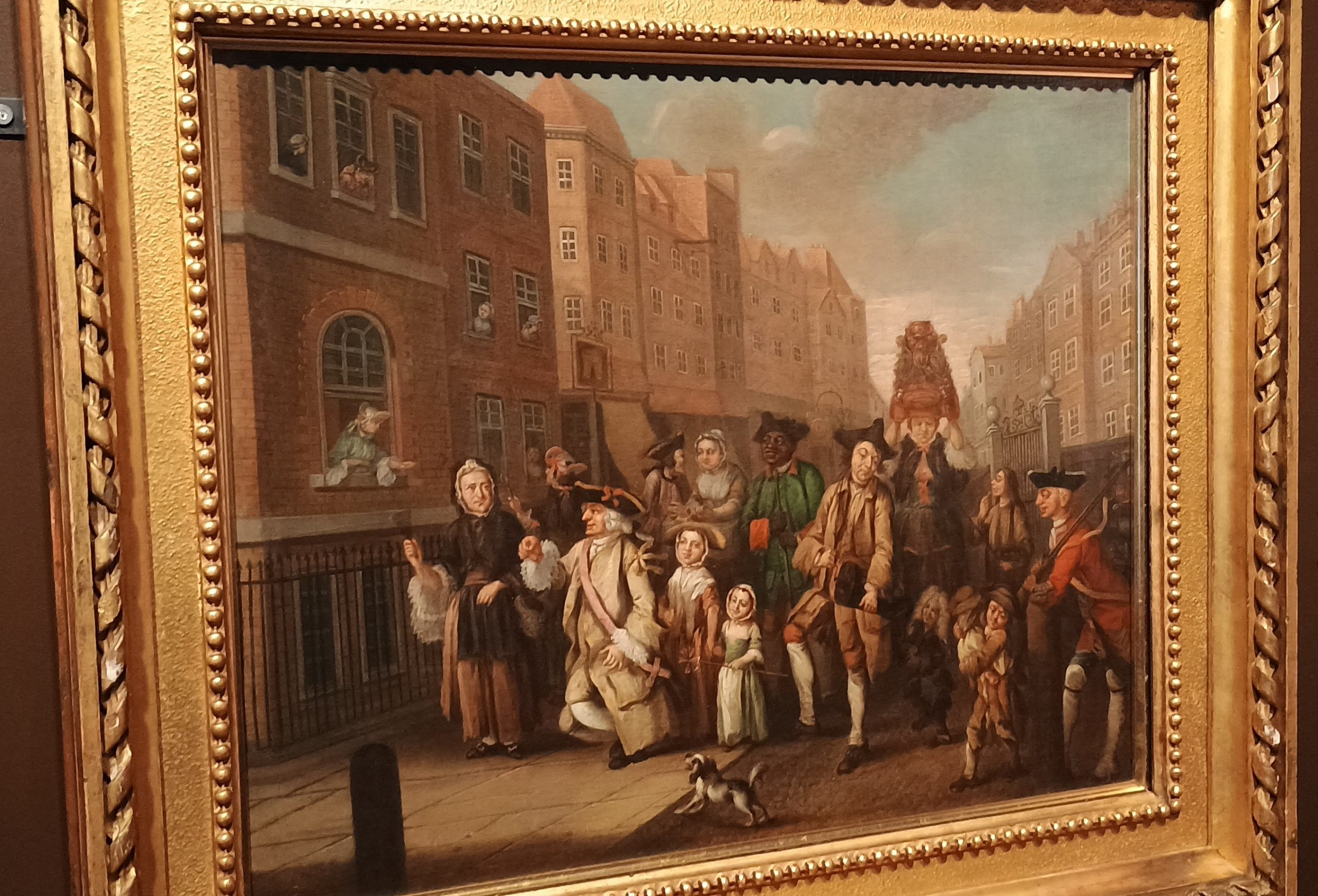
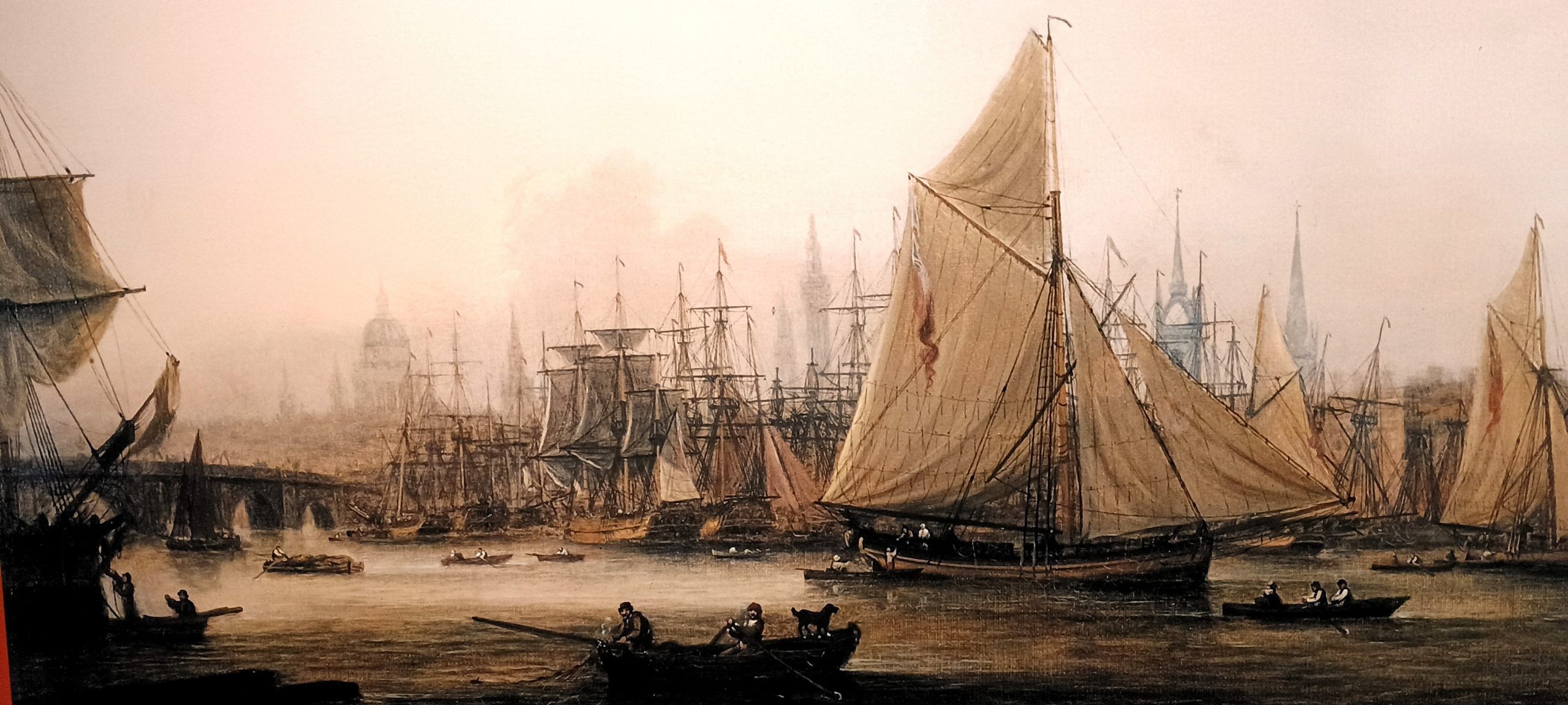
With all of that said England has really turned the page on slavery (although it took almost 100 years of legal effort to ween it off of slavery and indentured servitude). The different ethnicities here seem like they’ve integrated reasonably well.
Around Town
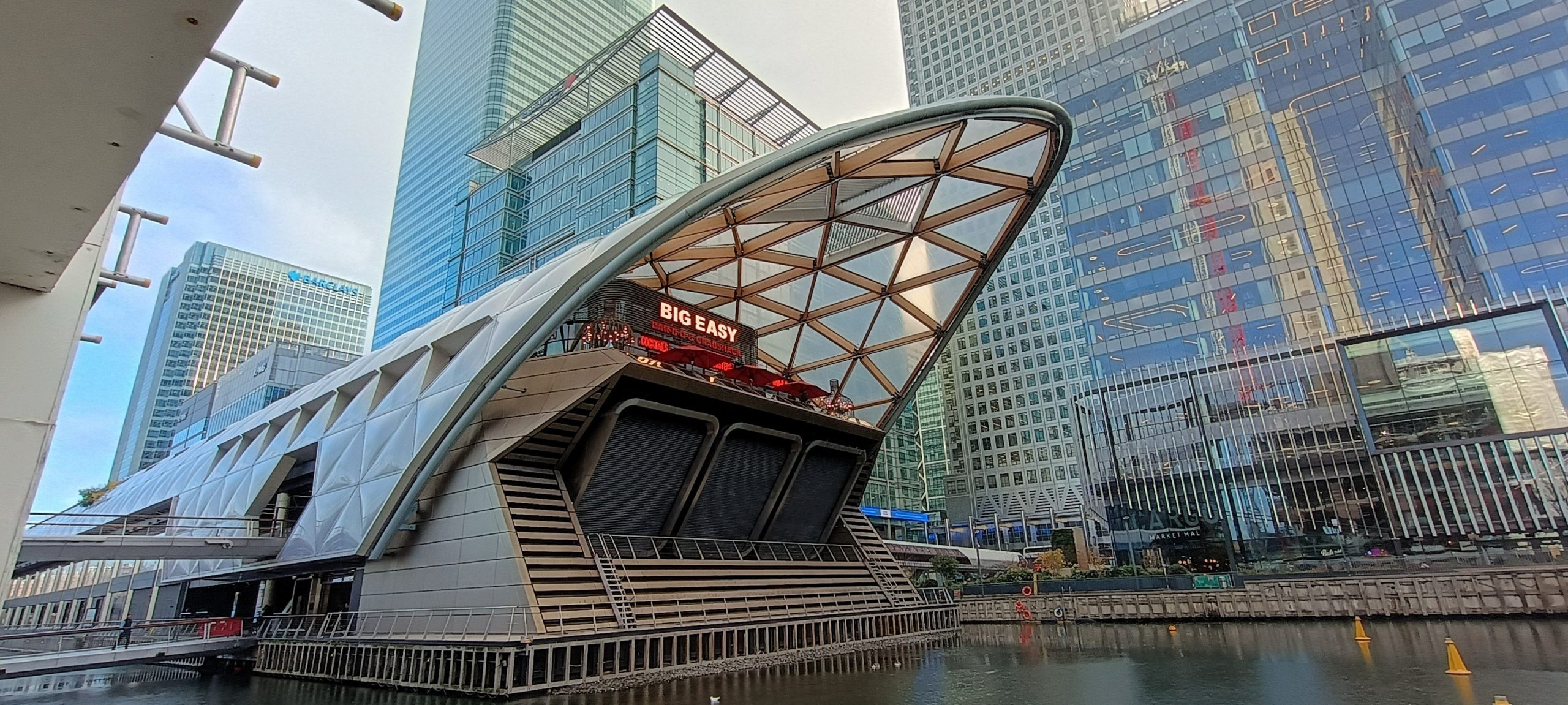
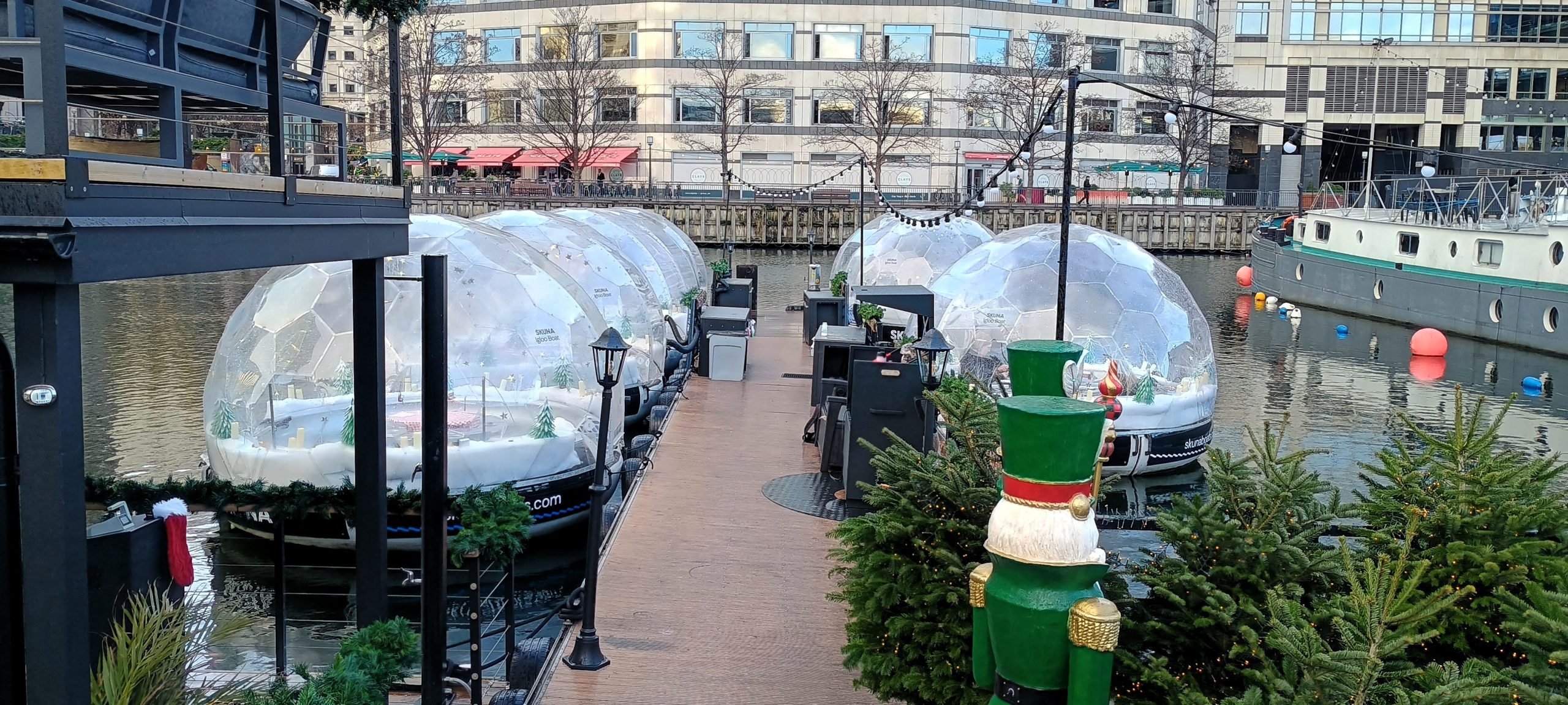
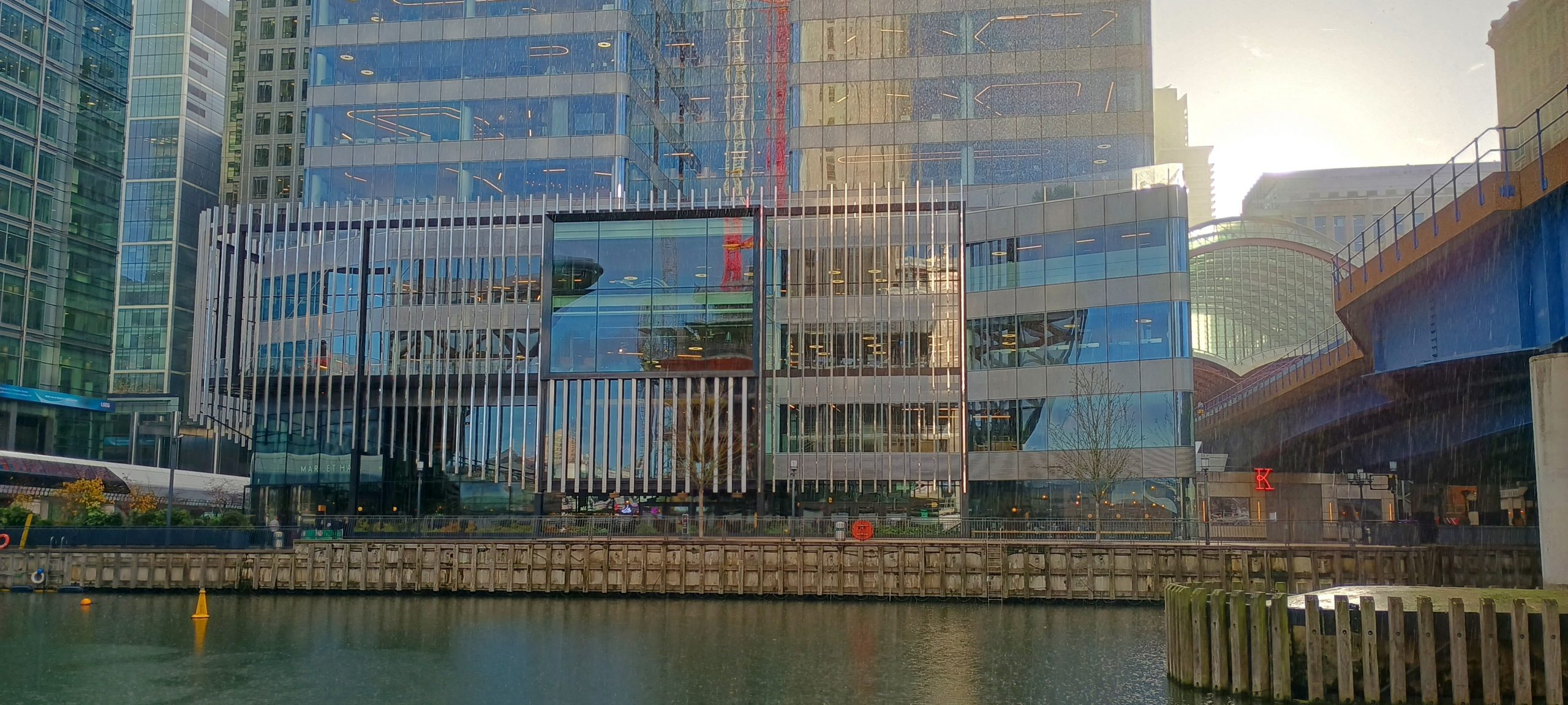
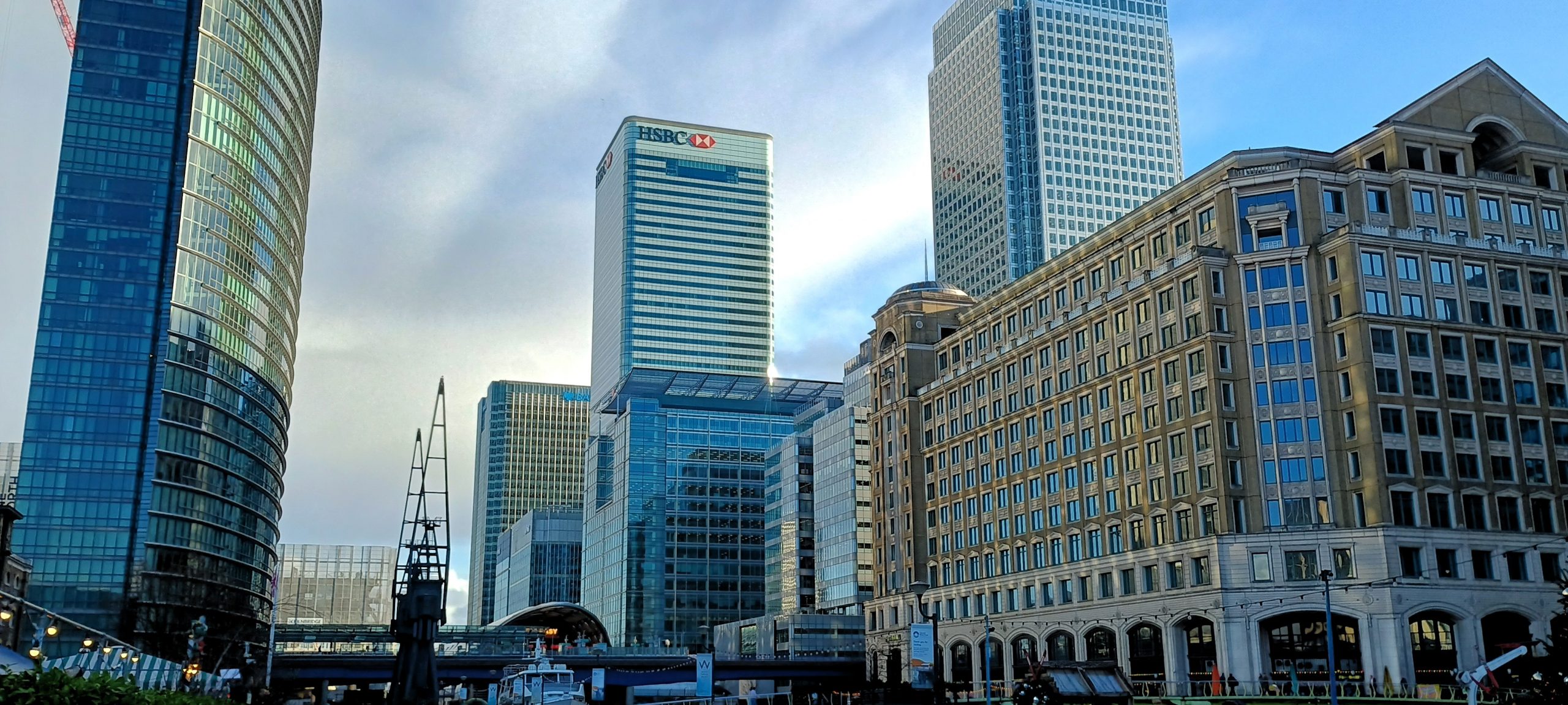
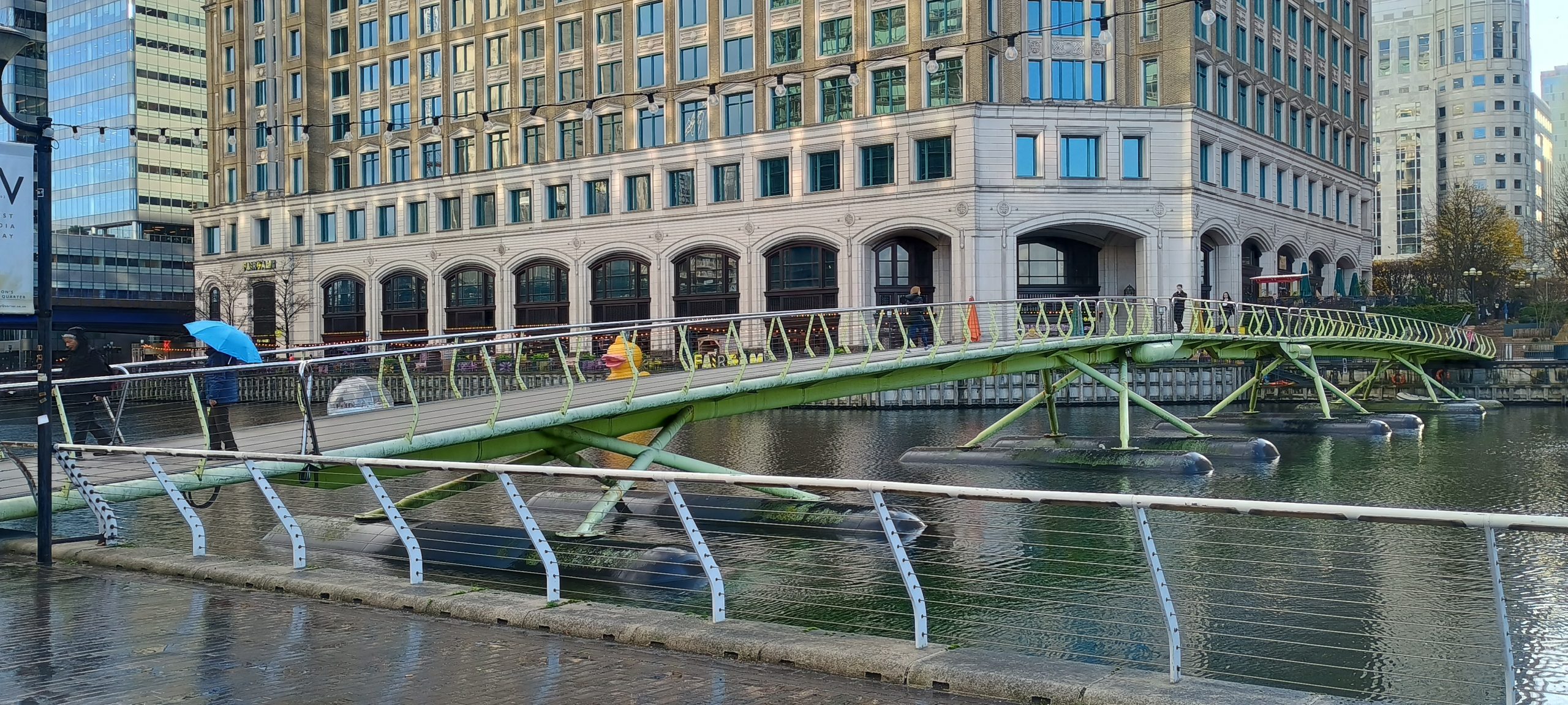
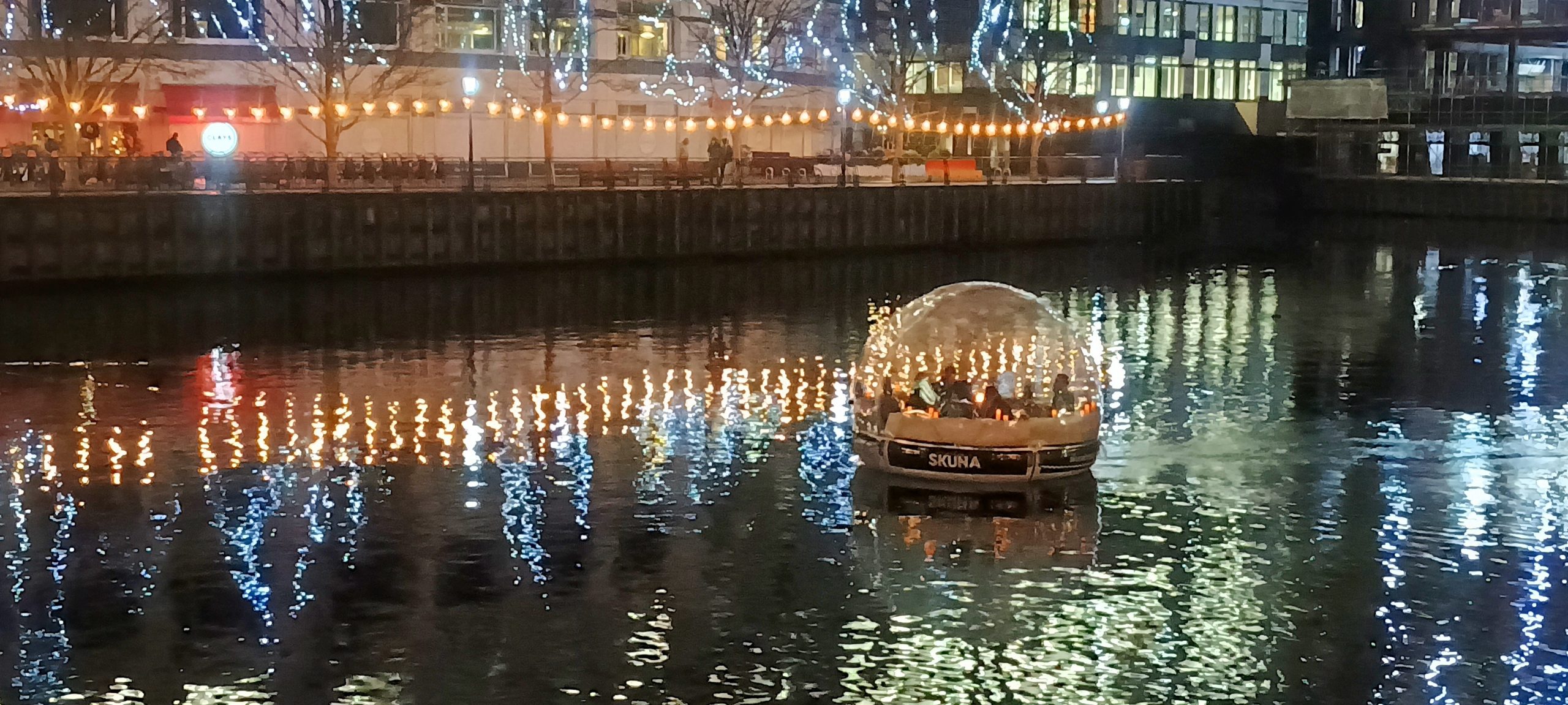
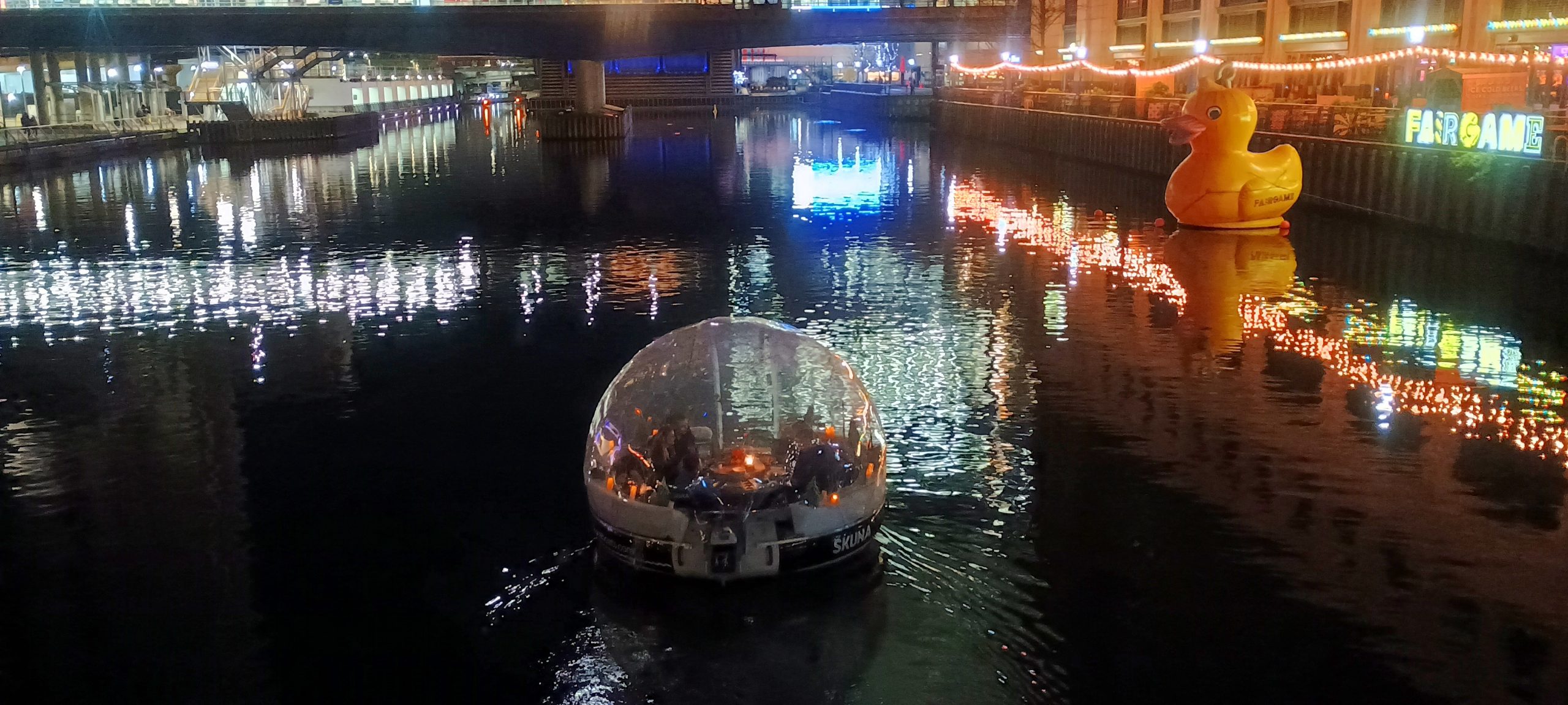
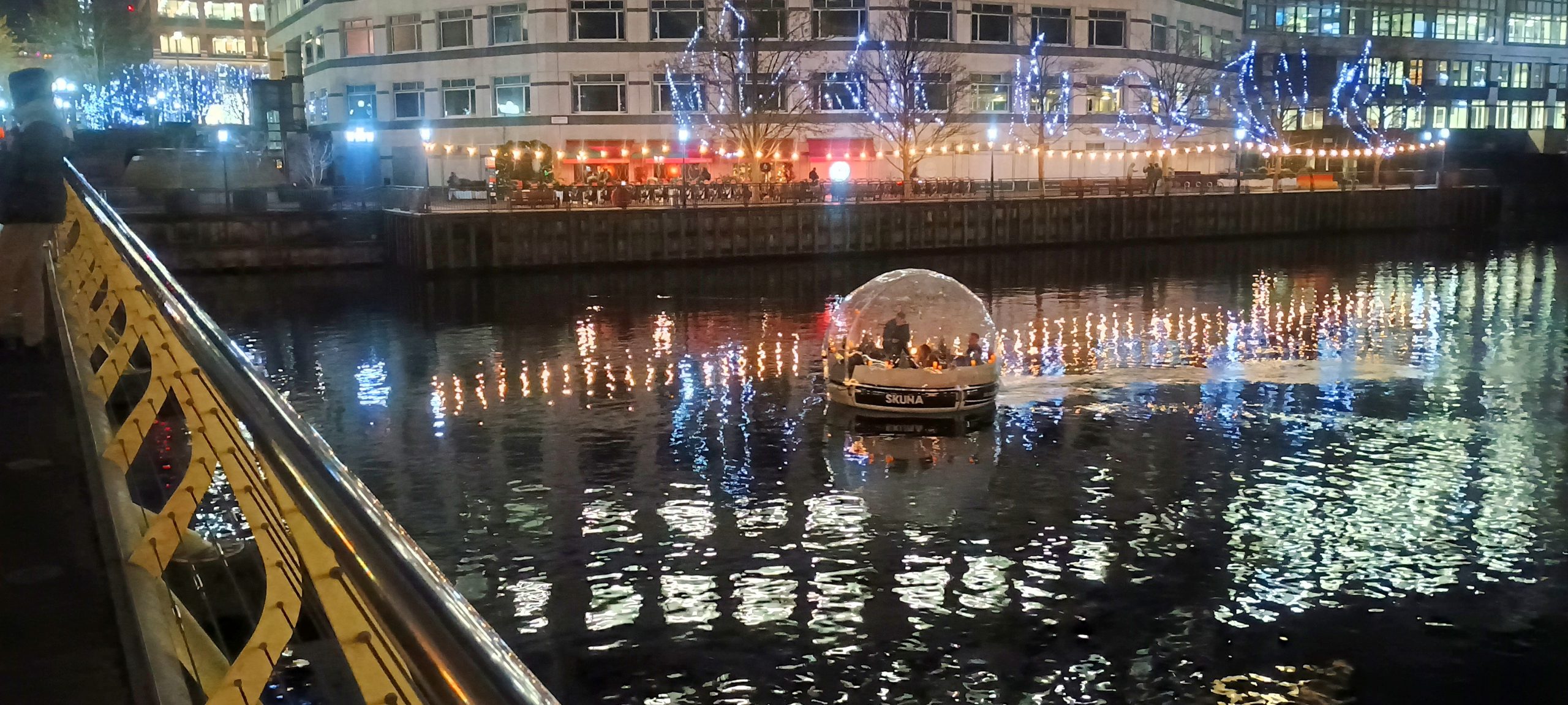
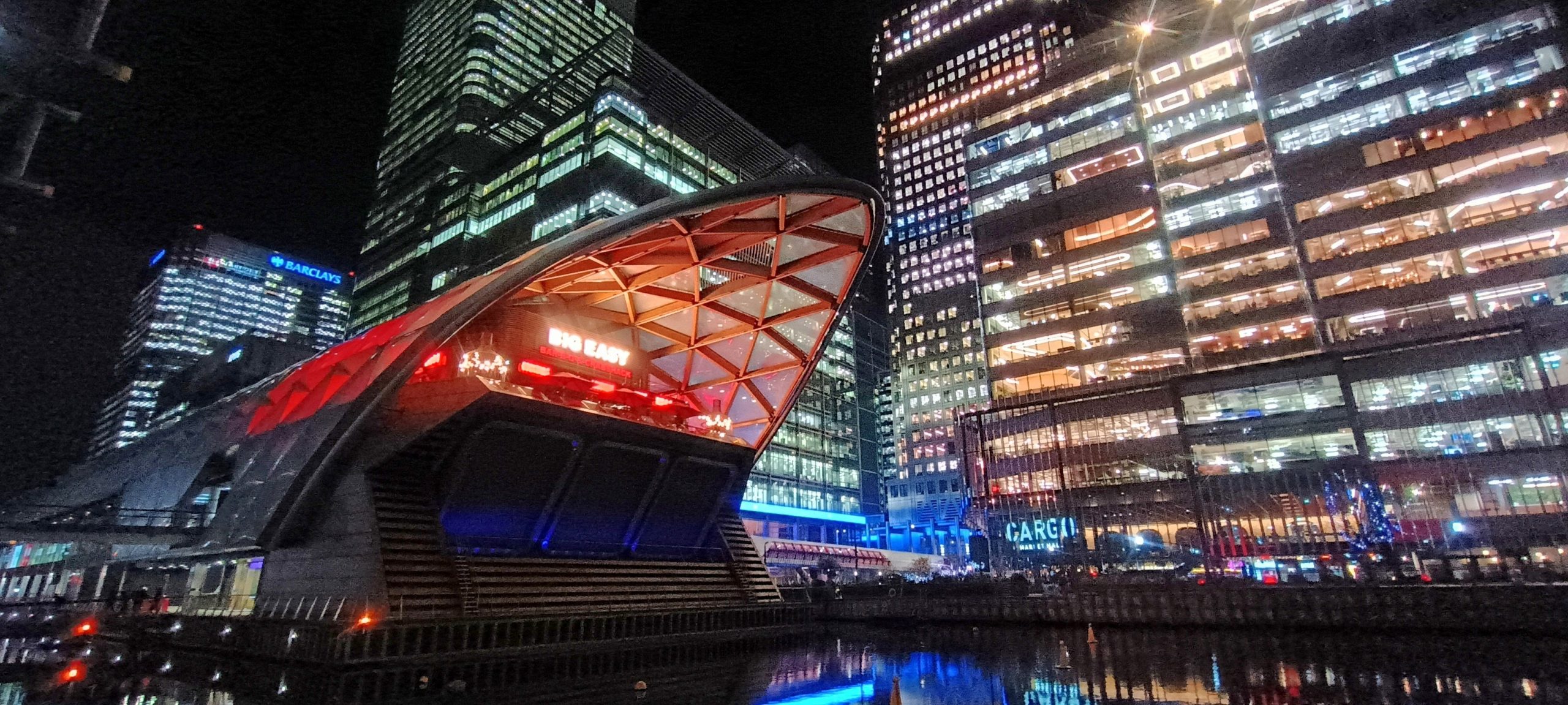
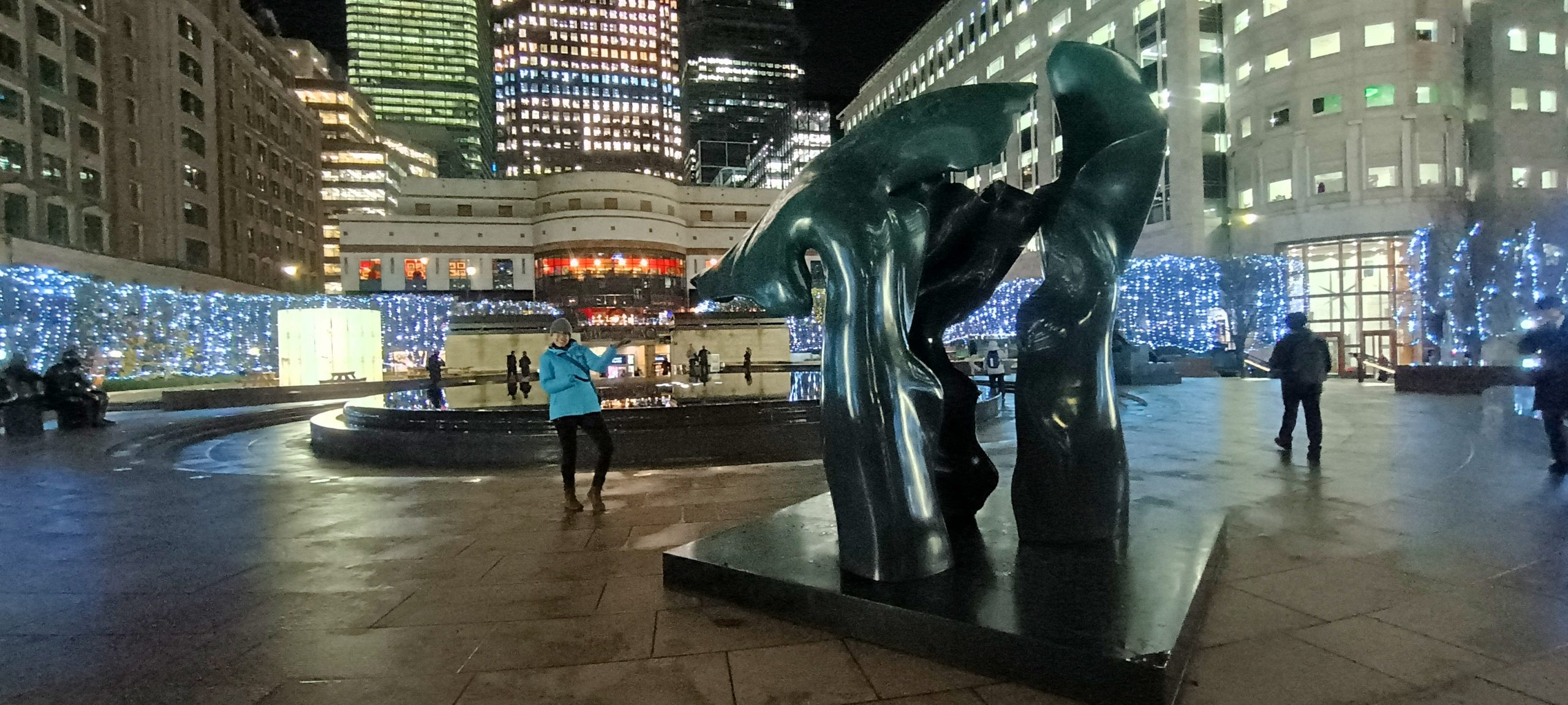
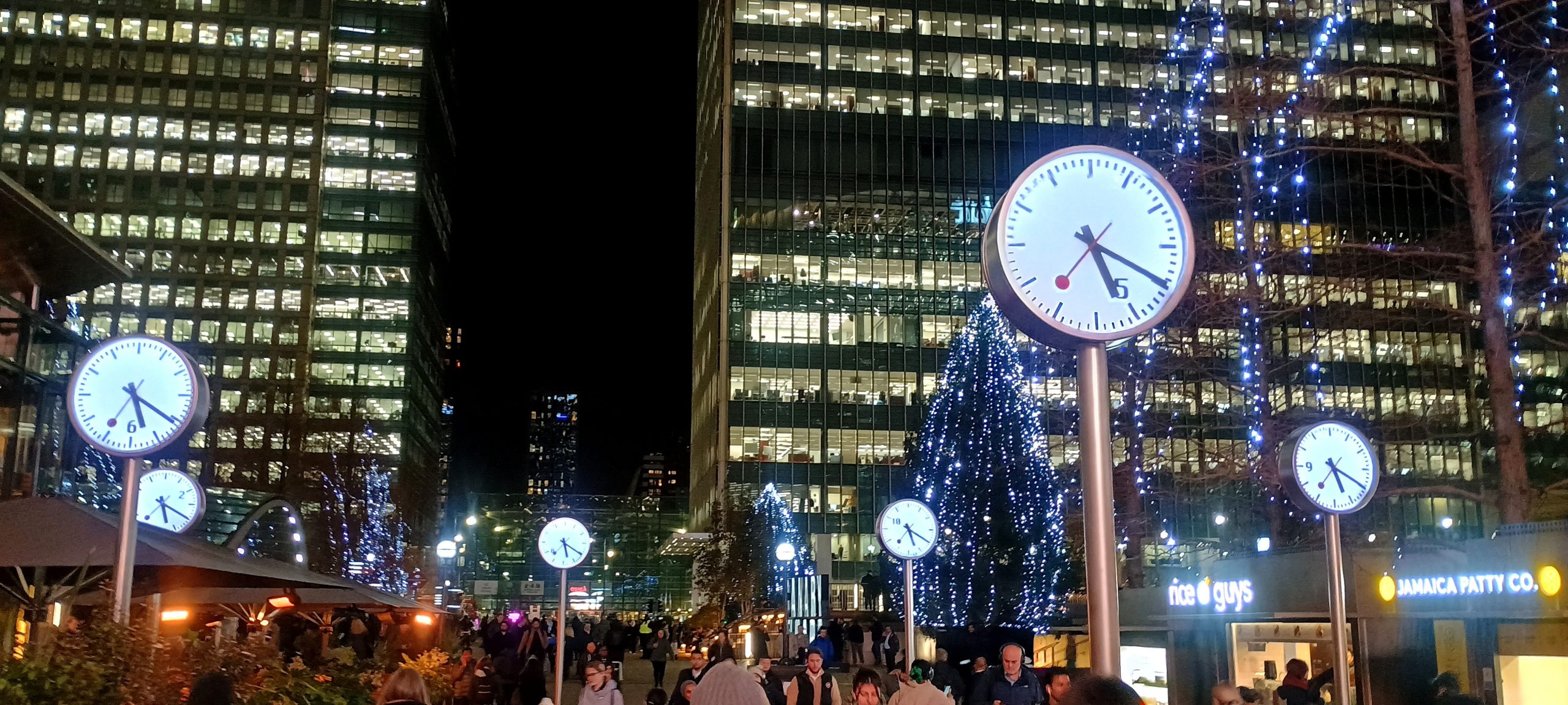
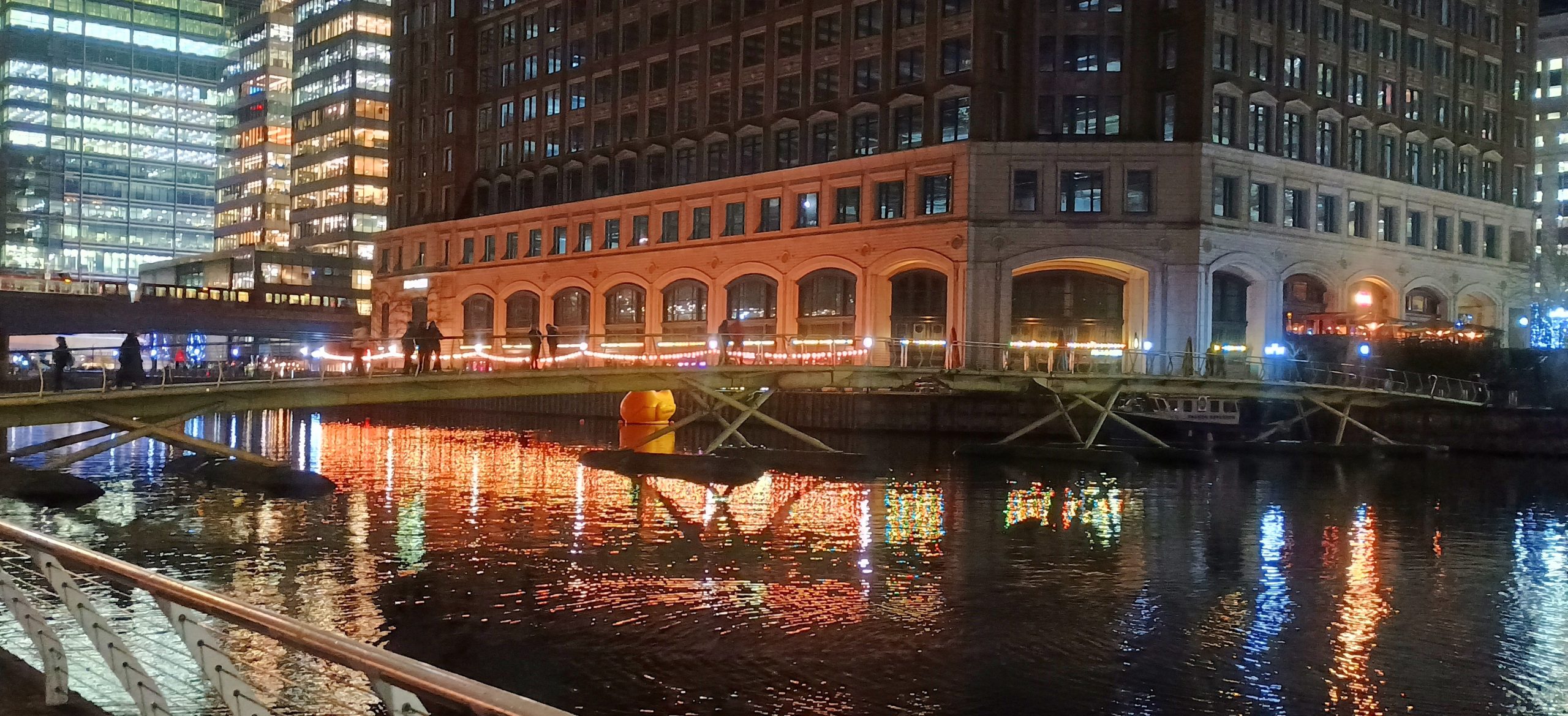
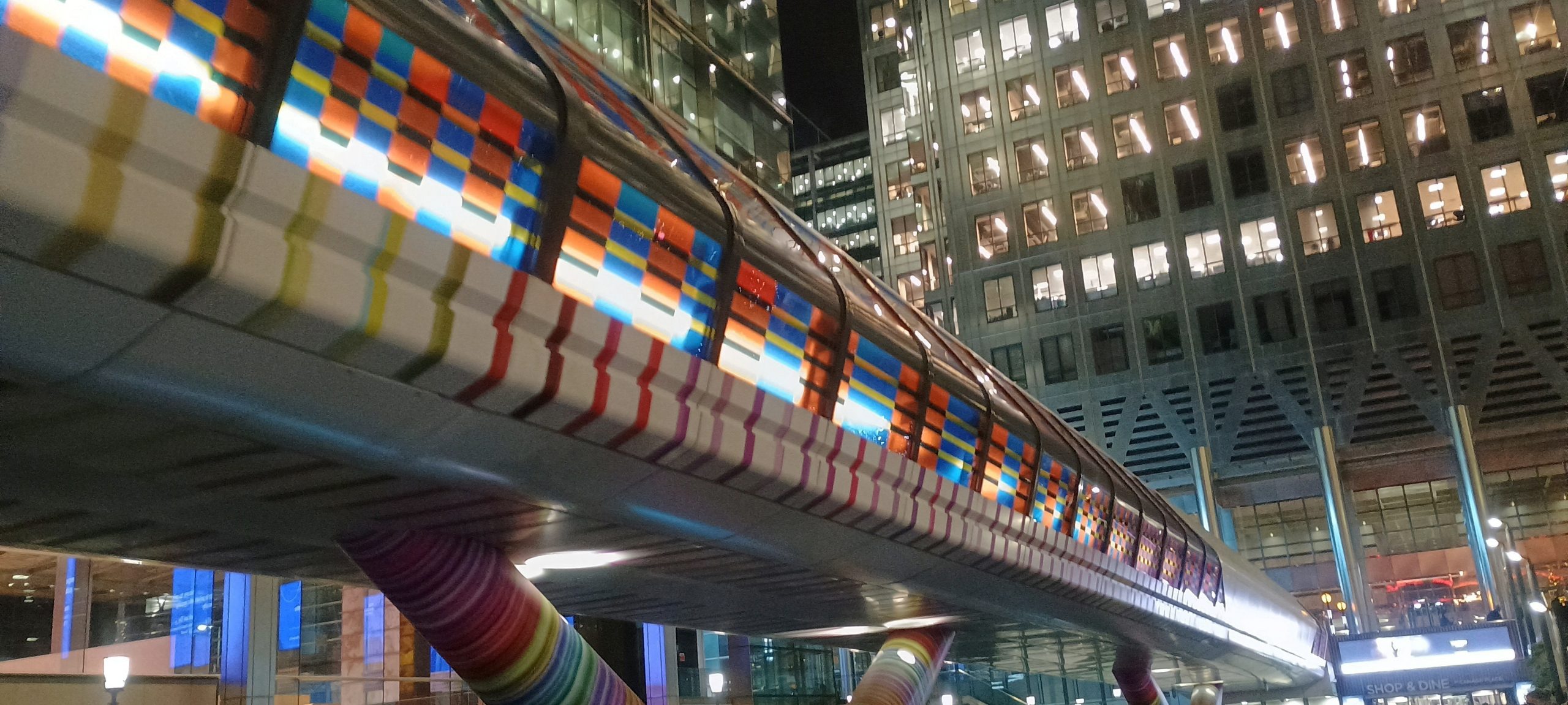
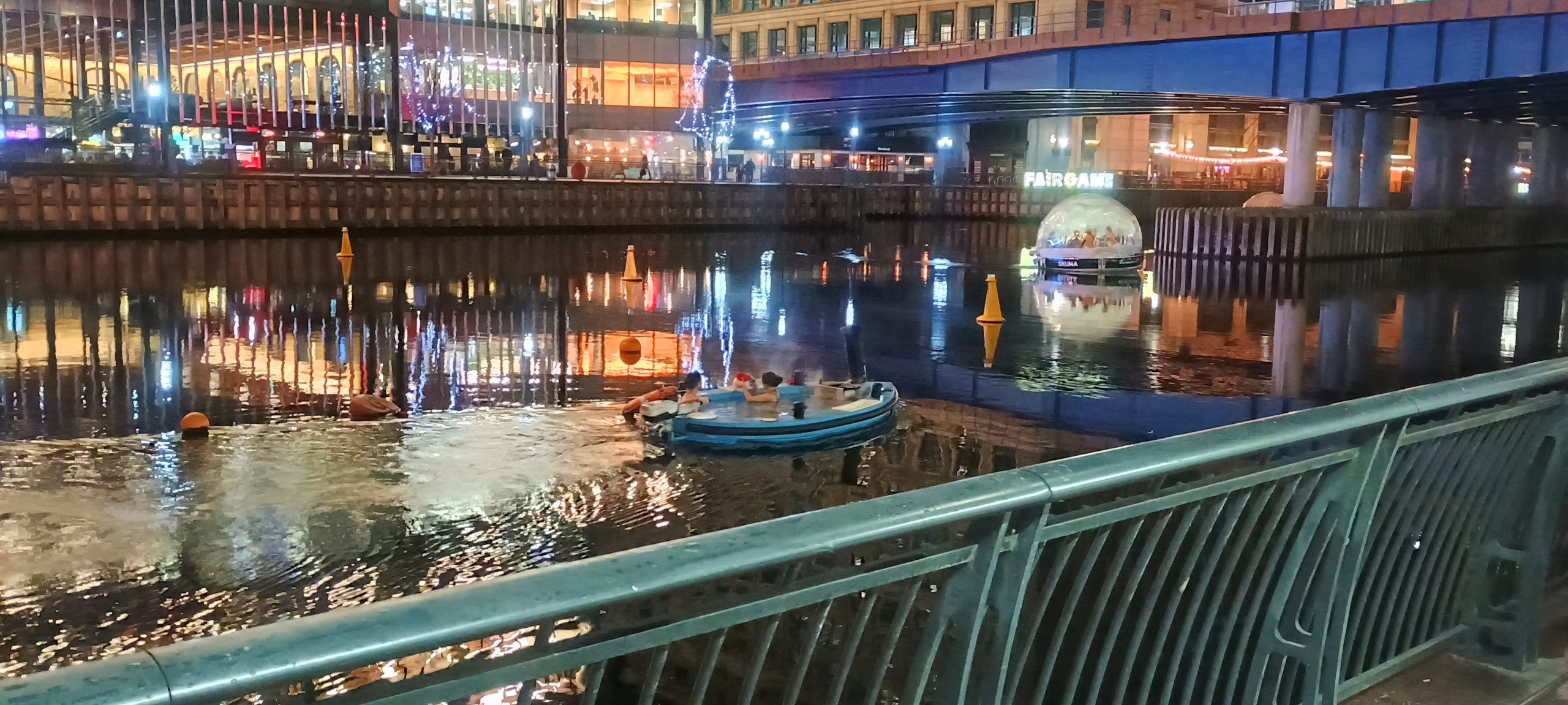
This place is now cyber punk central! They turned one of the largest docks in the world into a business mecca with skyscrapers everywhere. Too bad most of the stores are just restaurants and clothing shops. Would have been nice to get some cybernetic enhancements while we walked around. I’m a big CyberPunk2077 gamer.