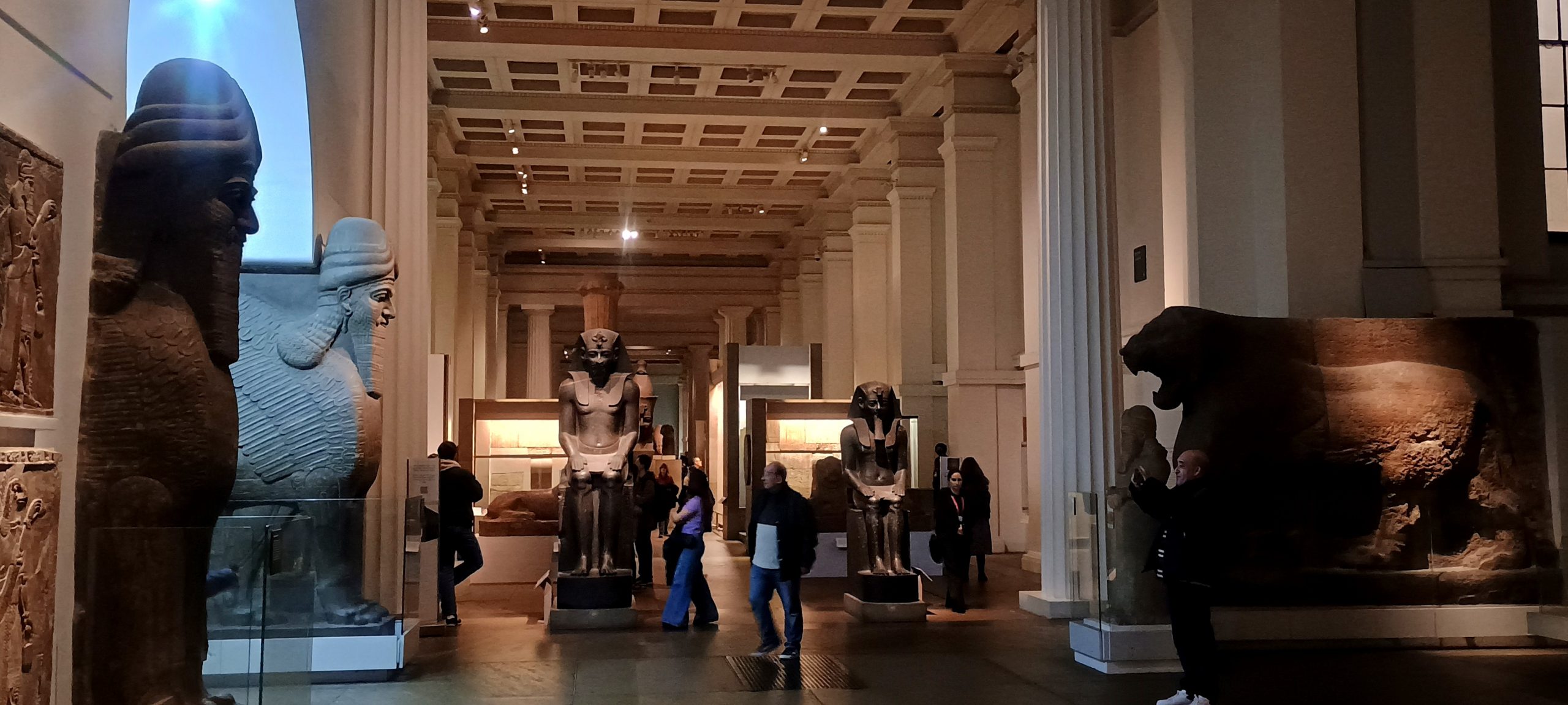
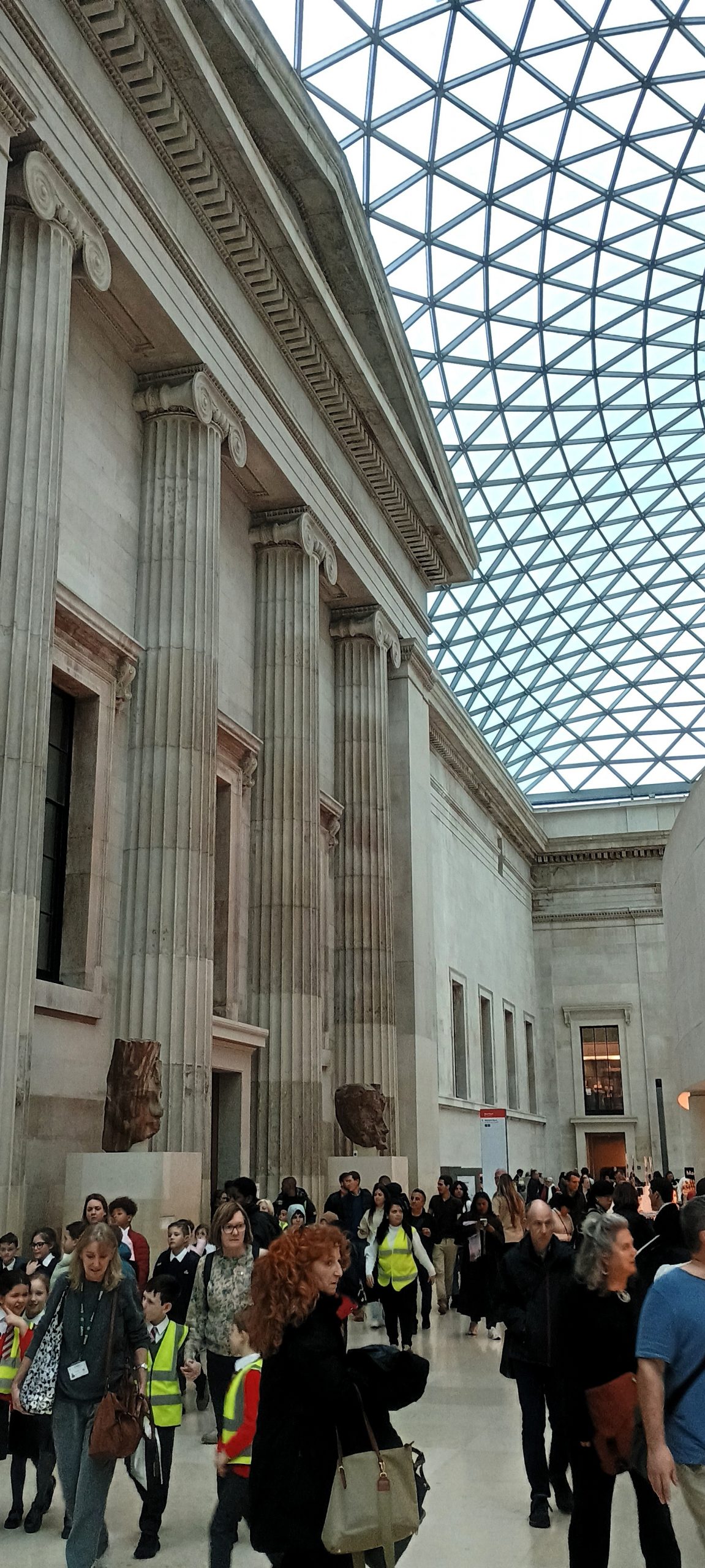
The British Museum is probably a two or even three day museum if you just want a rough overview. You could extend it out to maybe a couple of weeks if you want a real deep-dive into everything the museum has to offer, including doing research yourself on the different locations and periods of time. In other words; there’s a lot here.
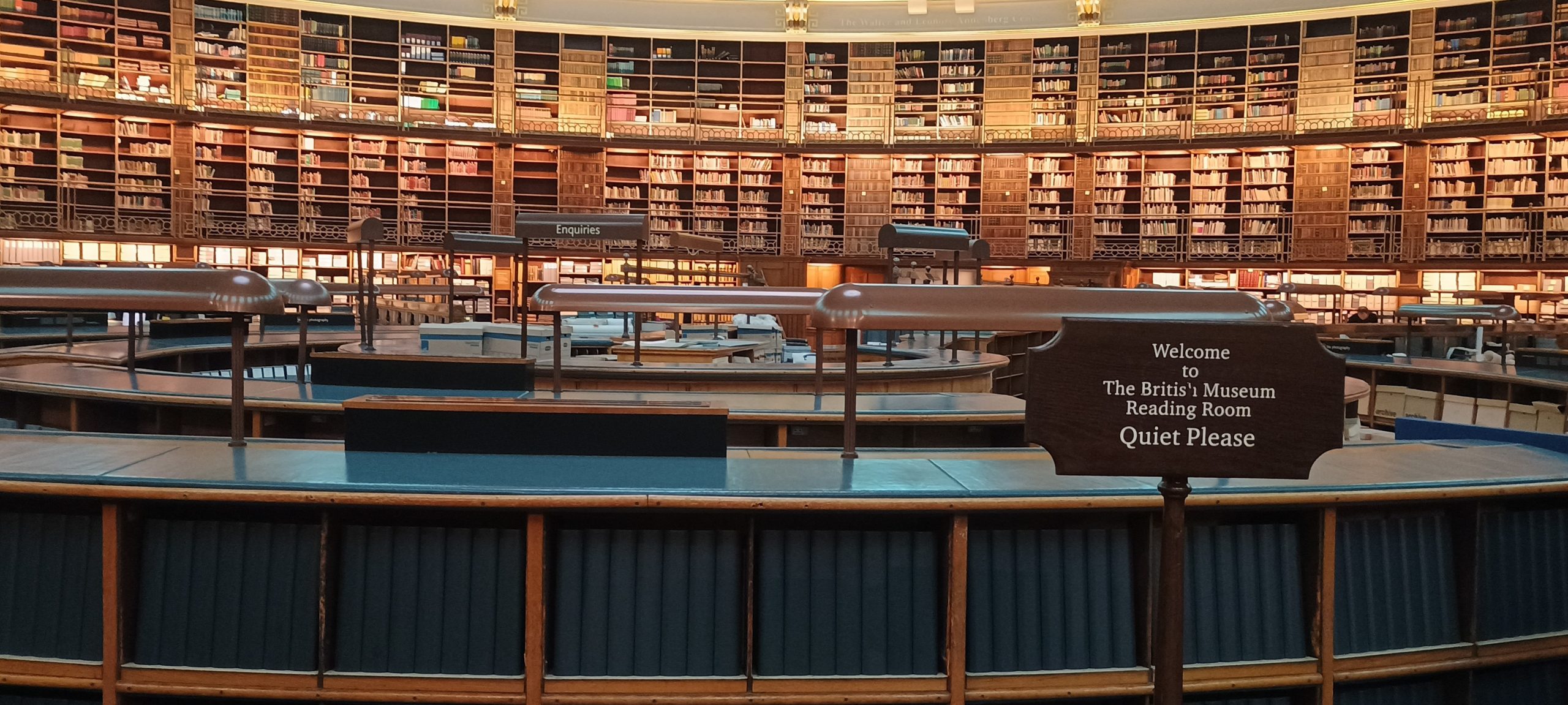
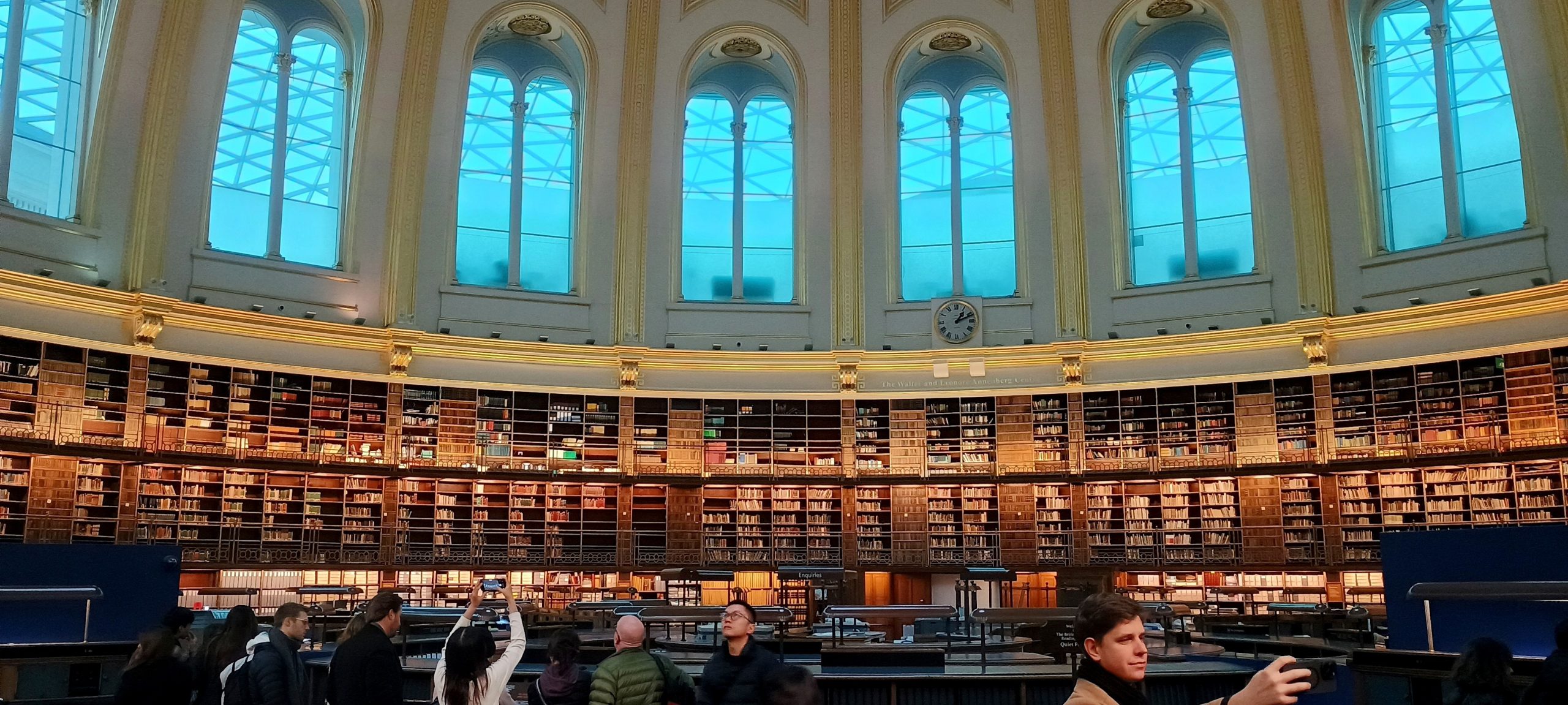
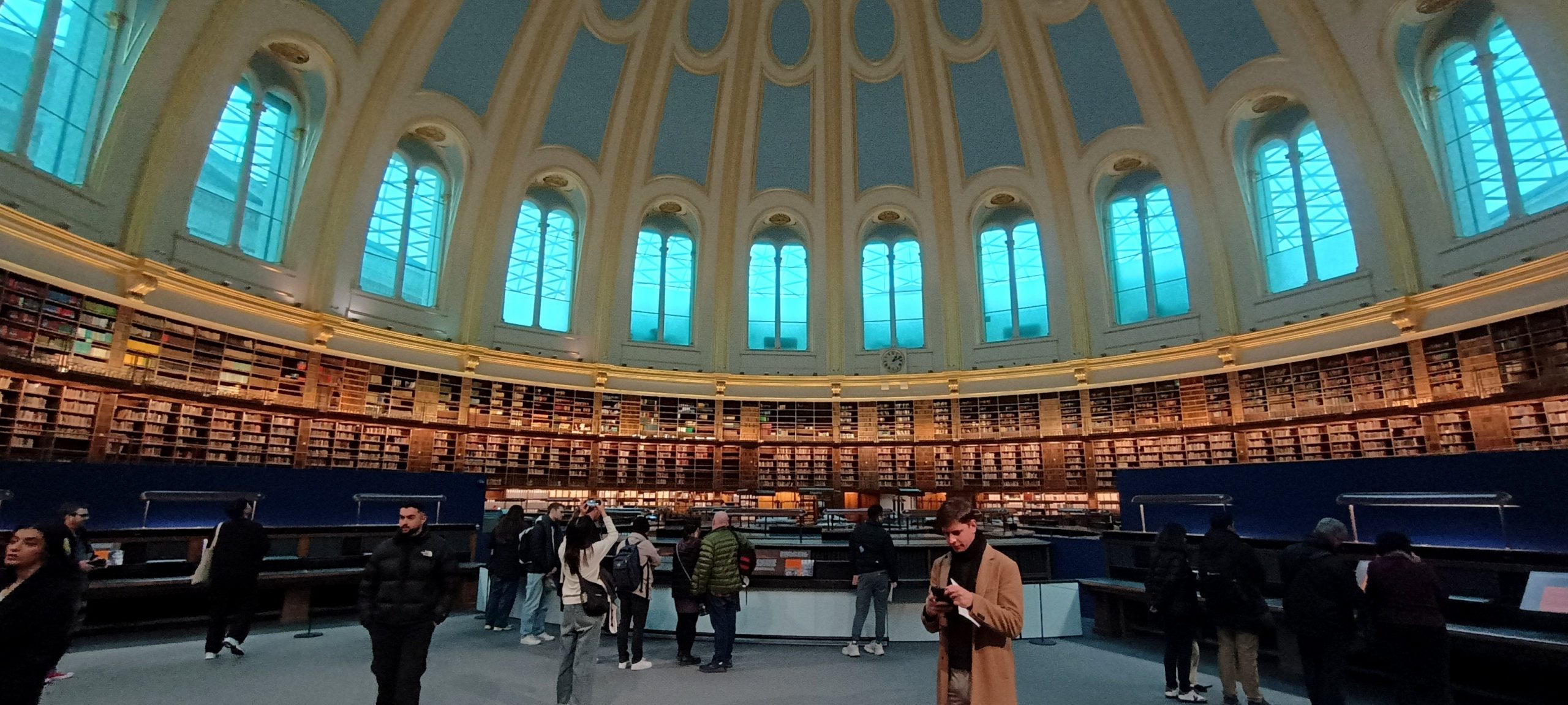
Let’s start where all the troublemakers hung out. People with ridiculously novel theories on how we should all be free and can vote (nonsense like that).

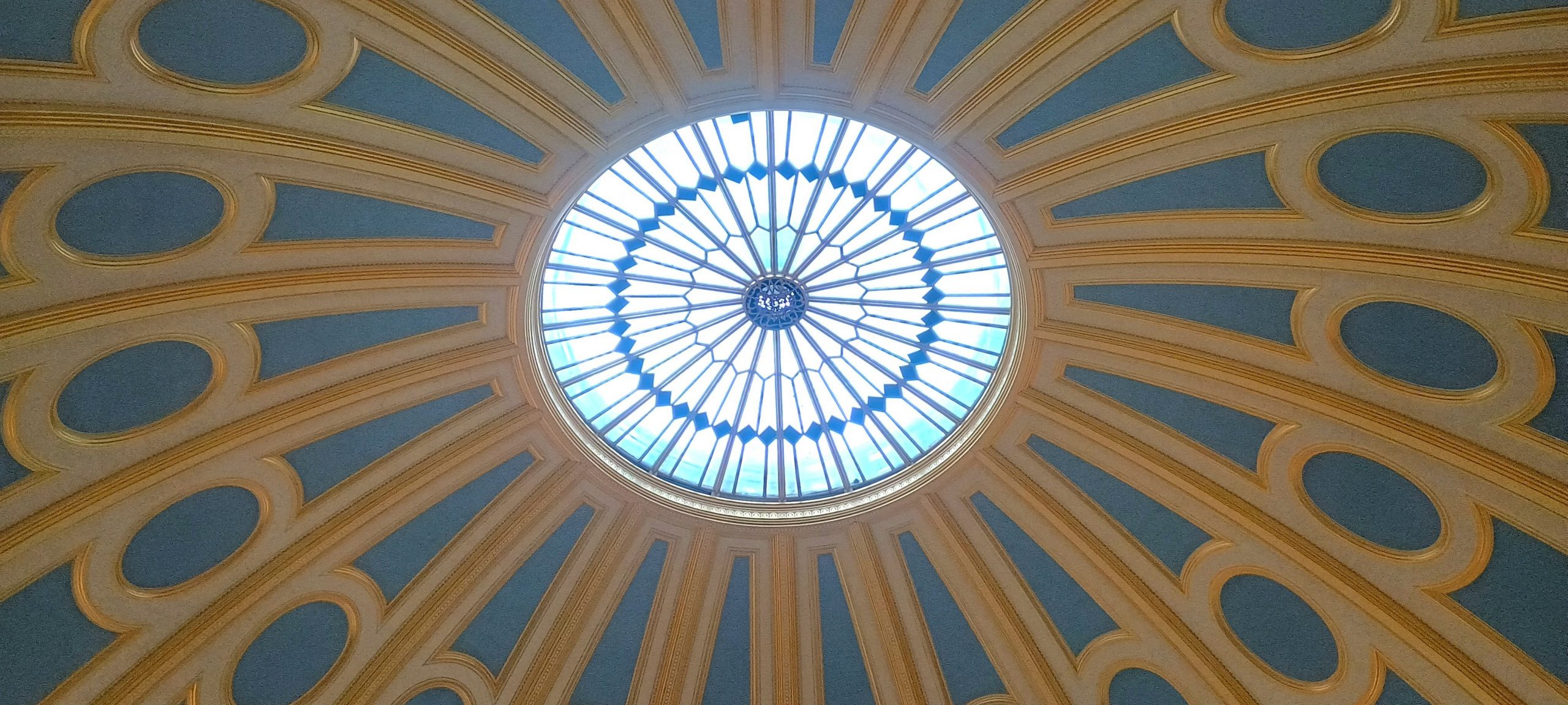
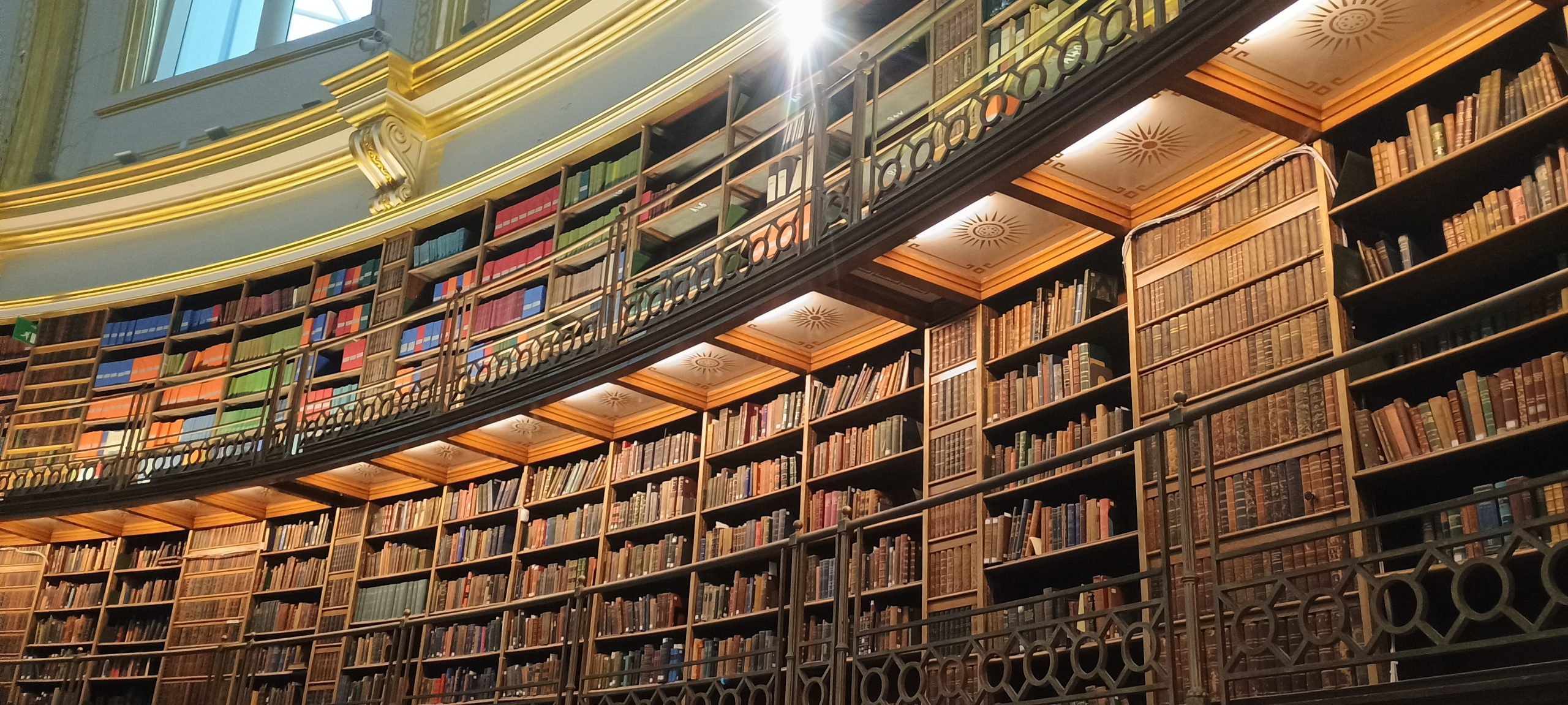
Many famous philosophers, leaders, writers, etc spent time in this library (including Gandhi I think). Back in the day when you had to either know someone who knew something or have a physical book to educate yourself on a topic.
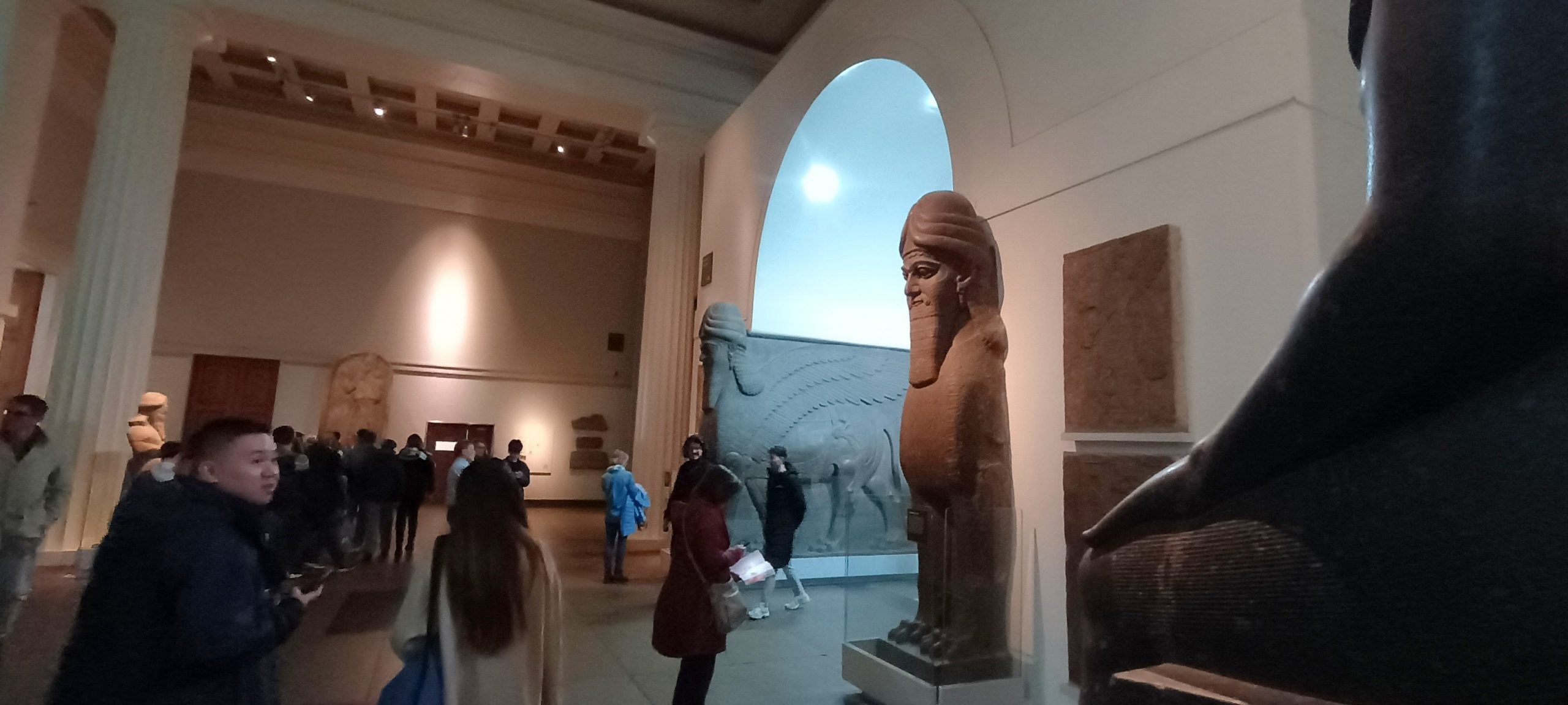


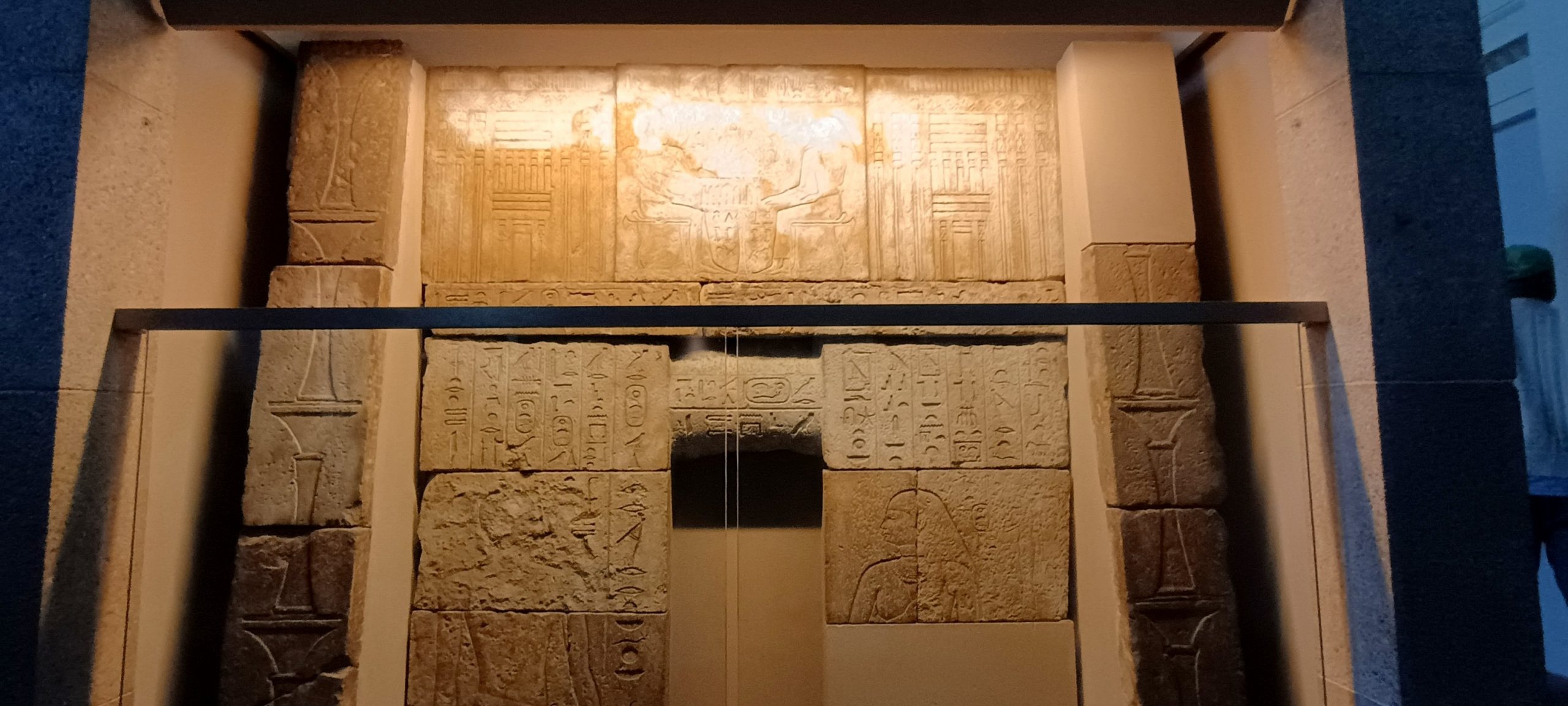
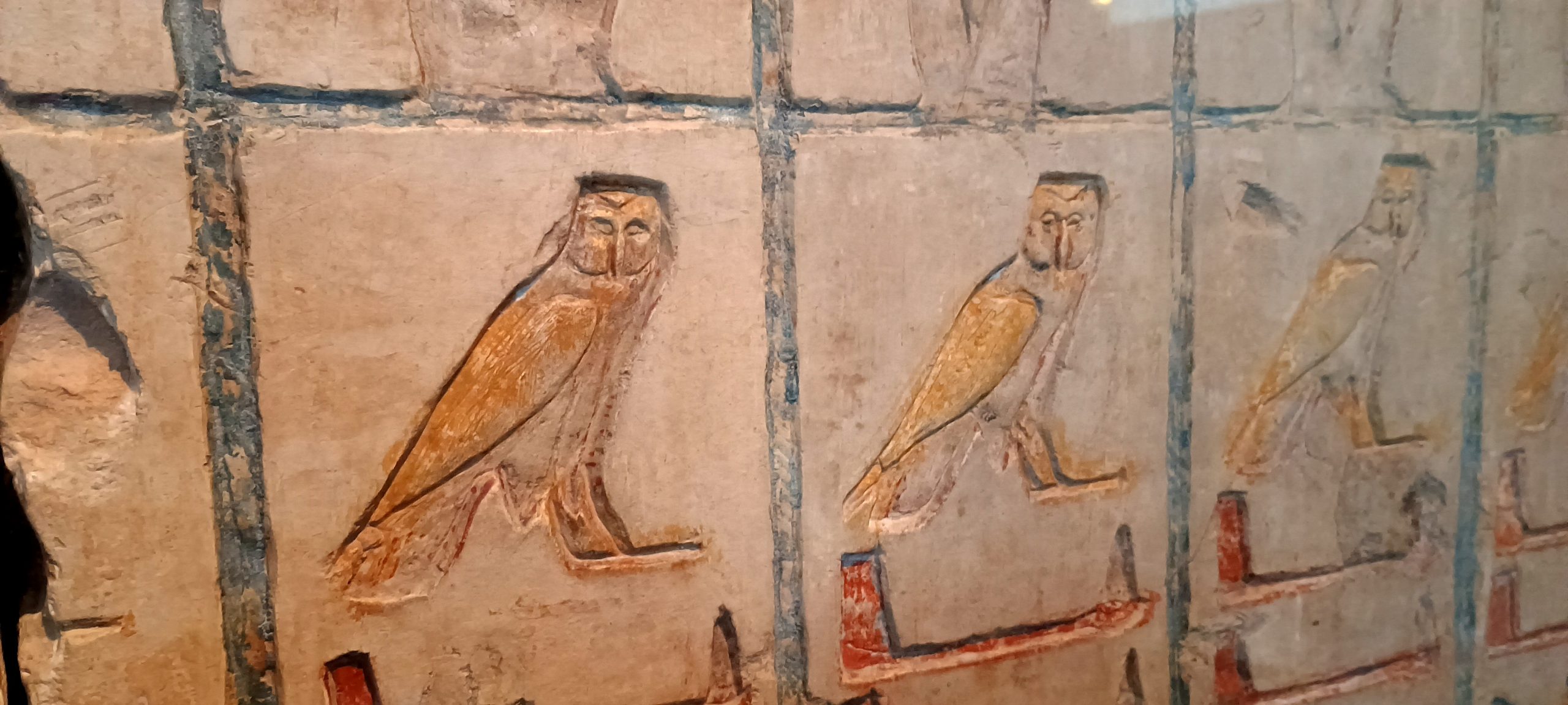

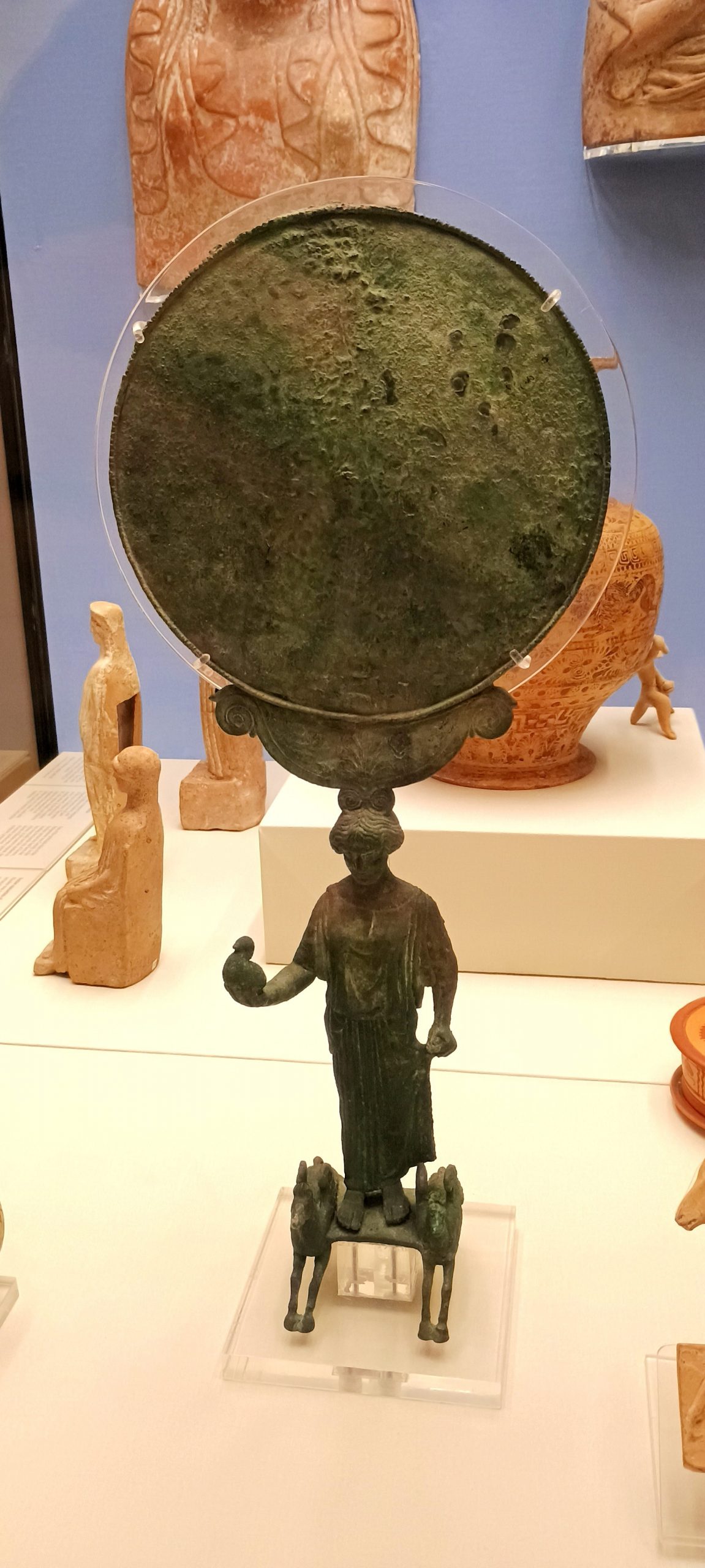

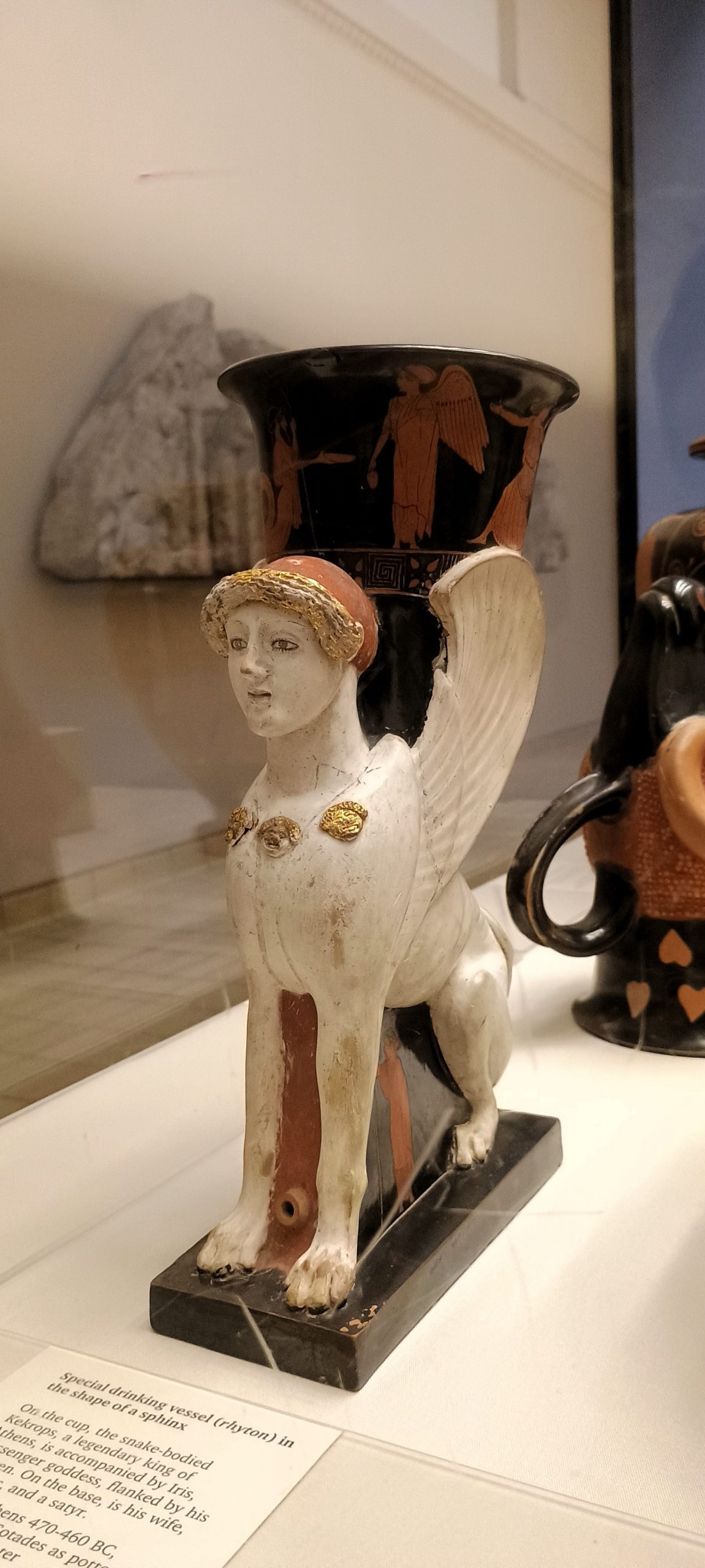




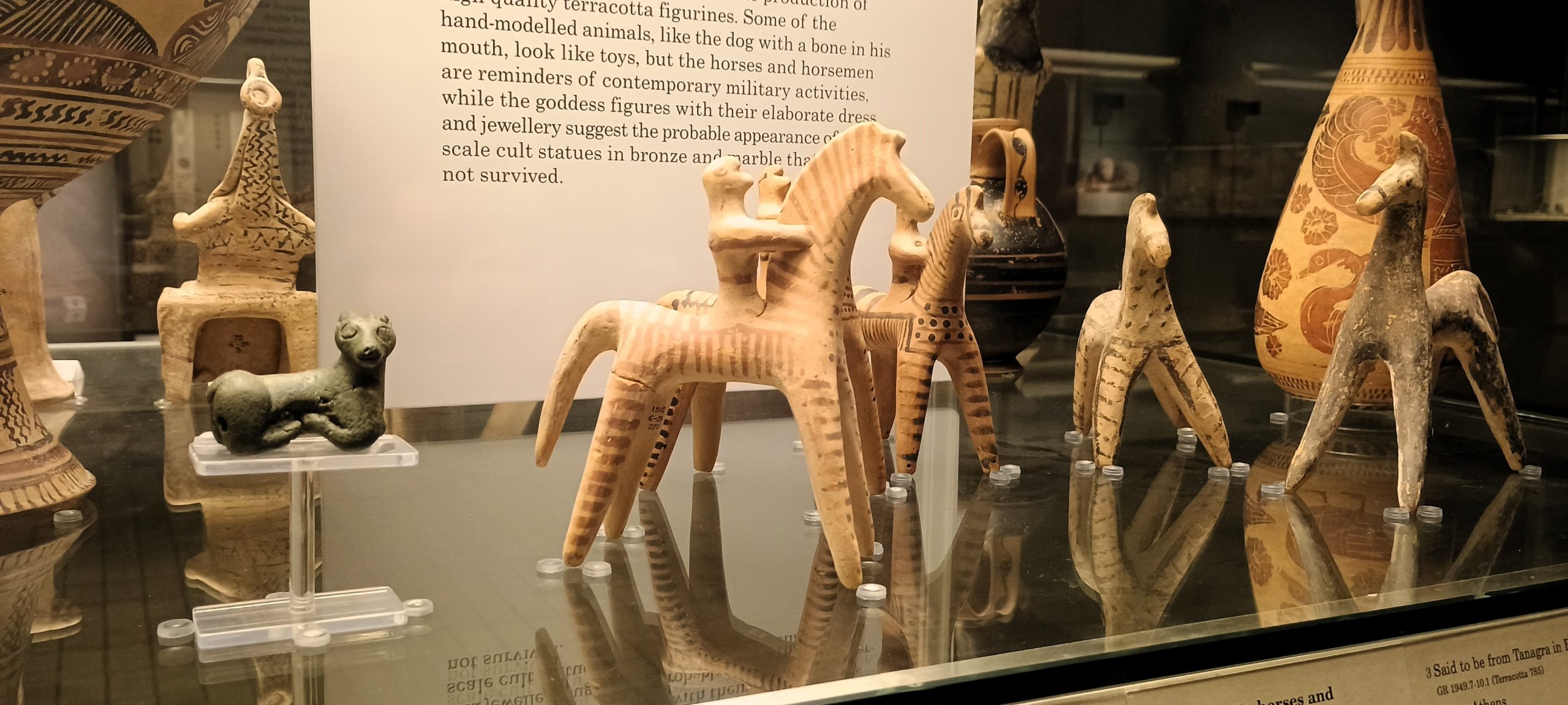
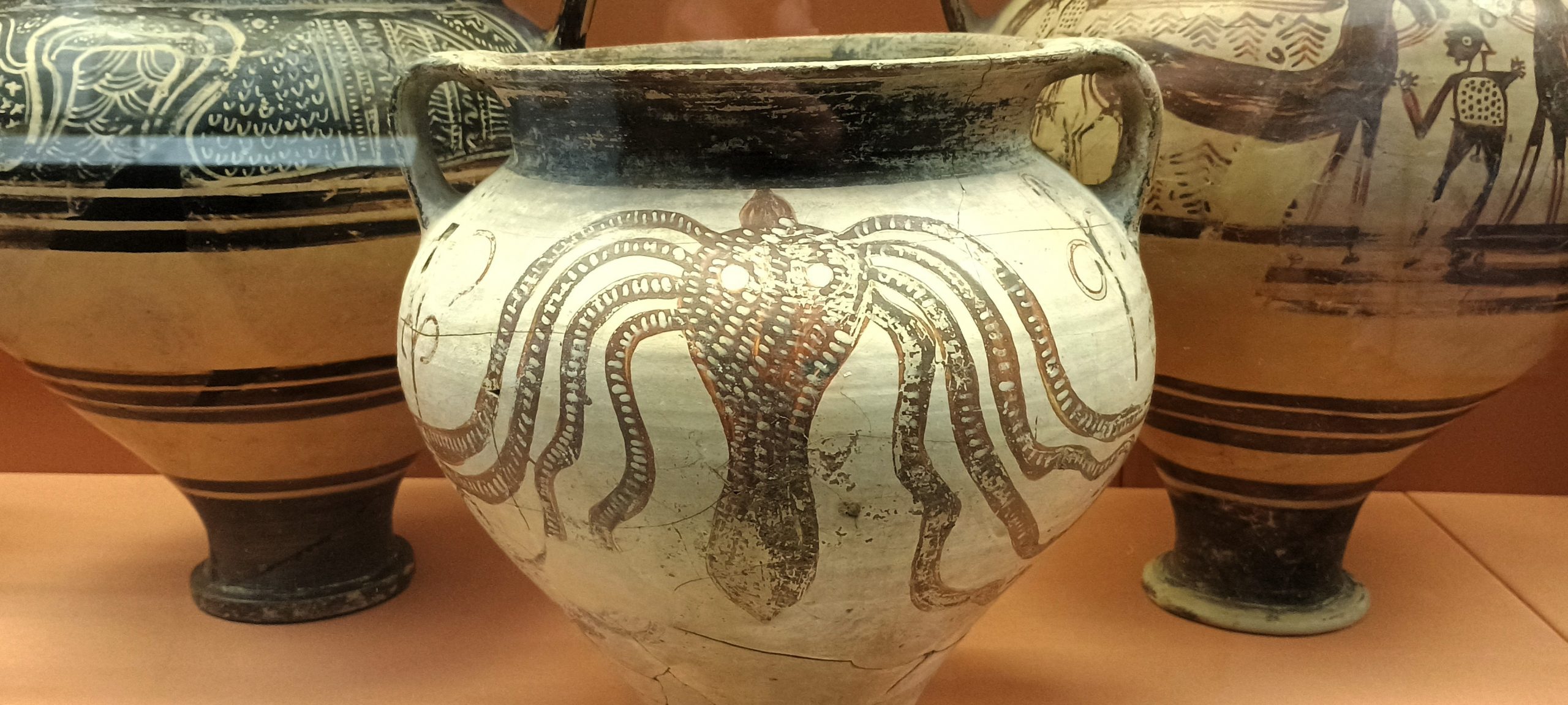

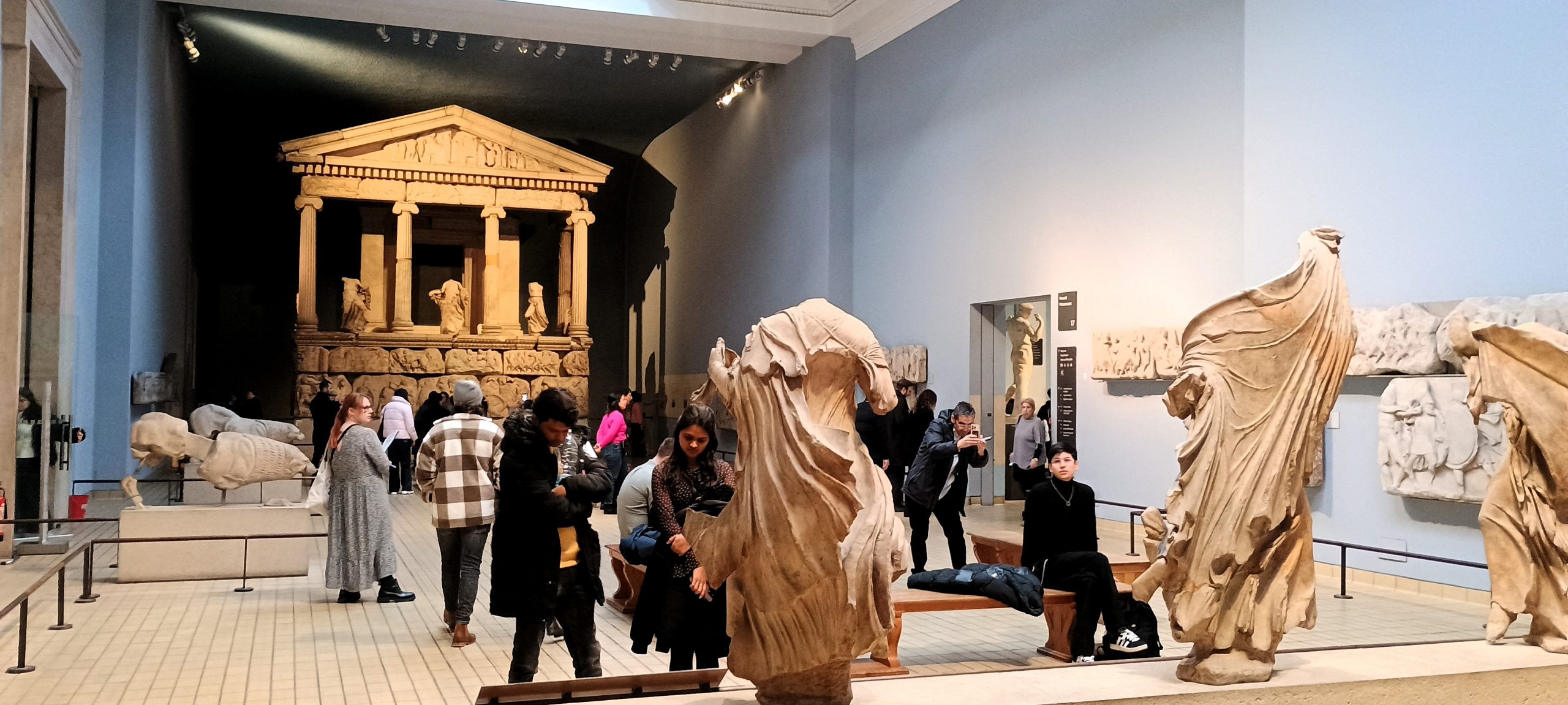
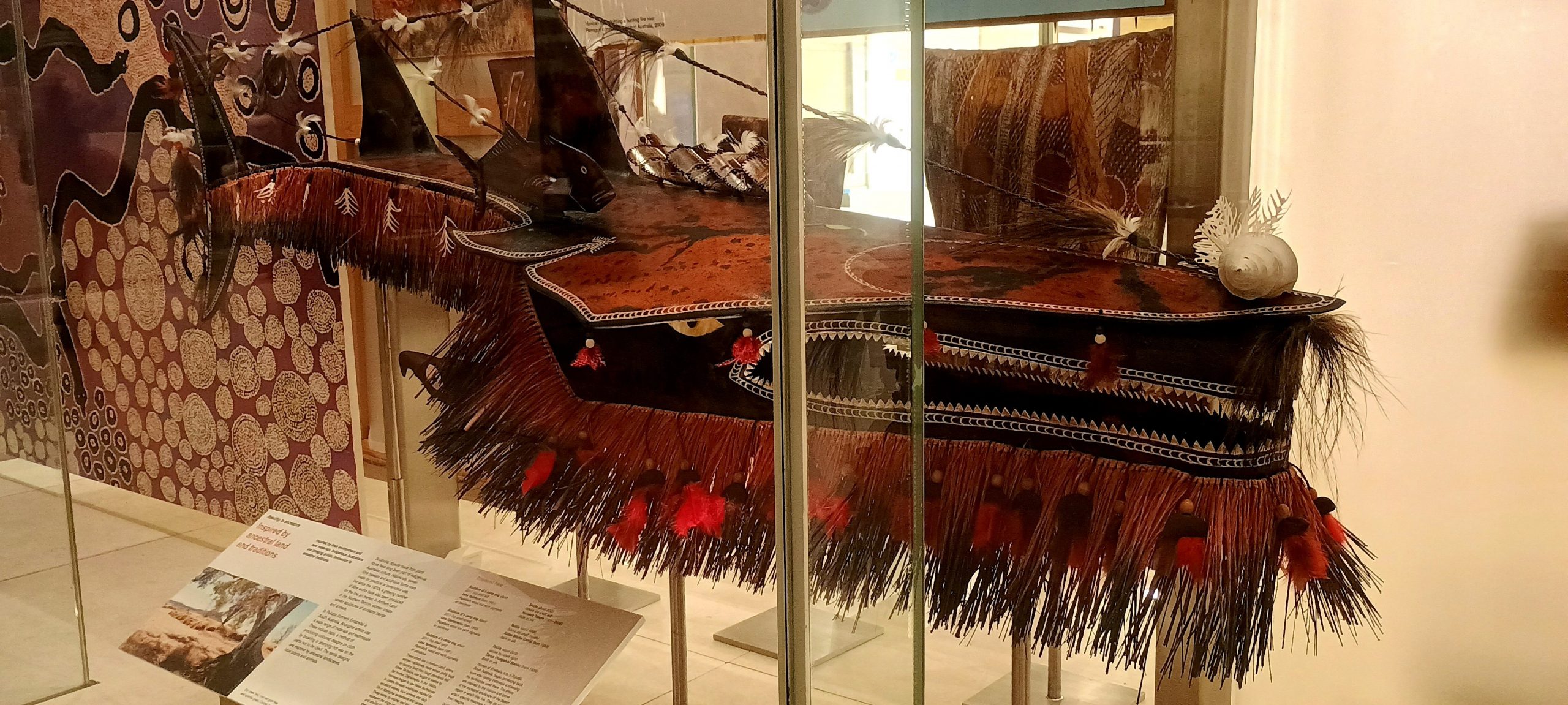
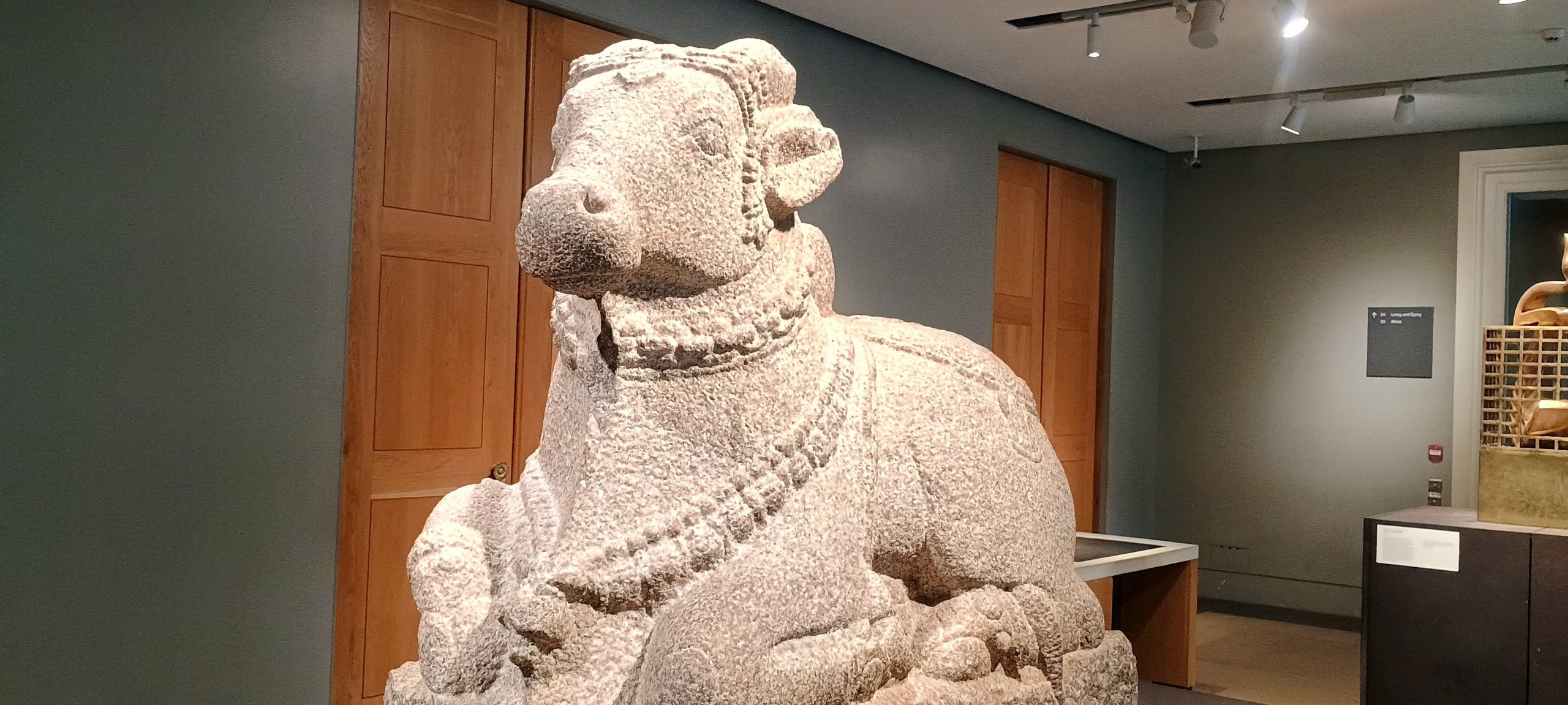

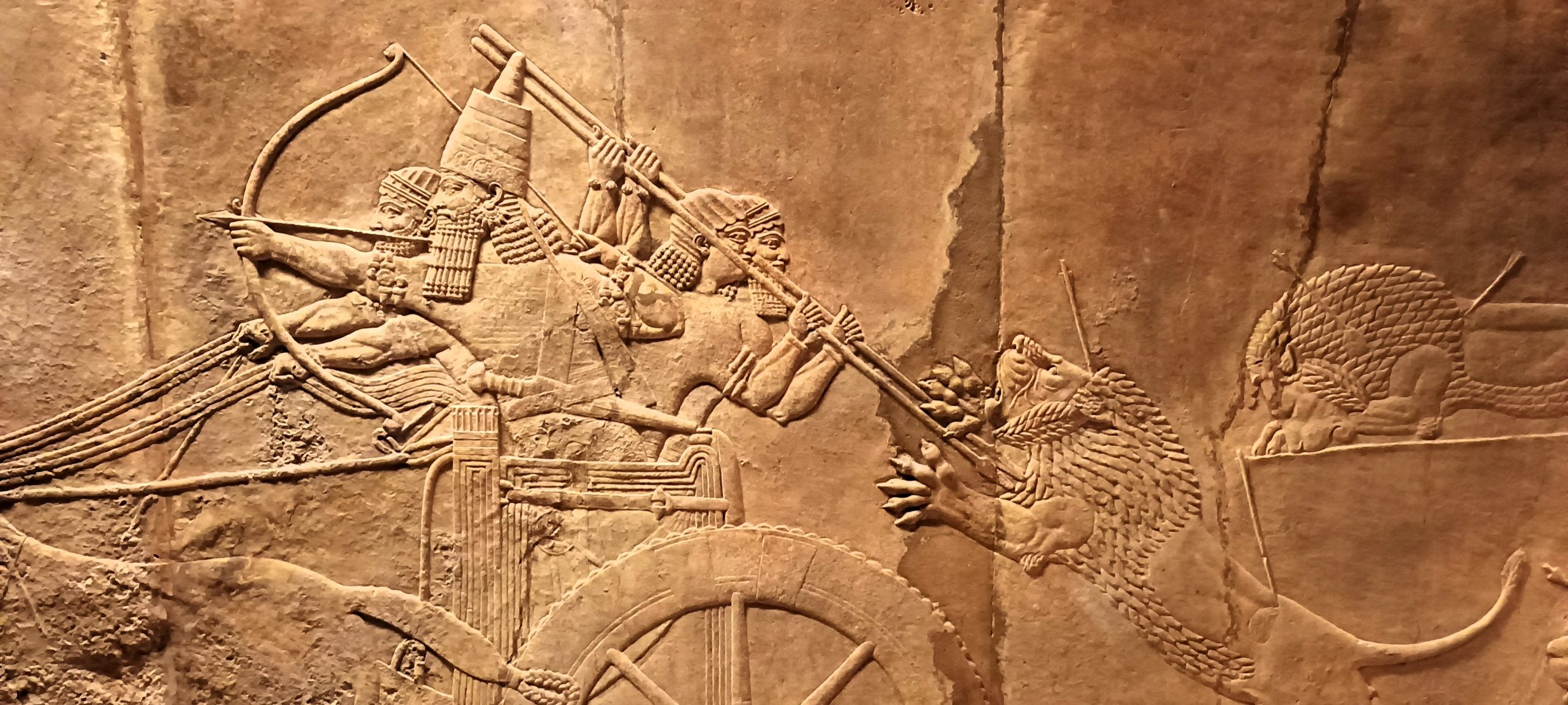
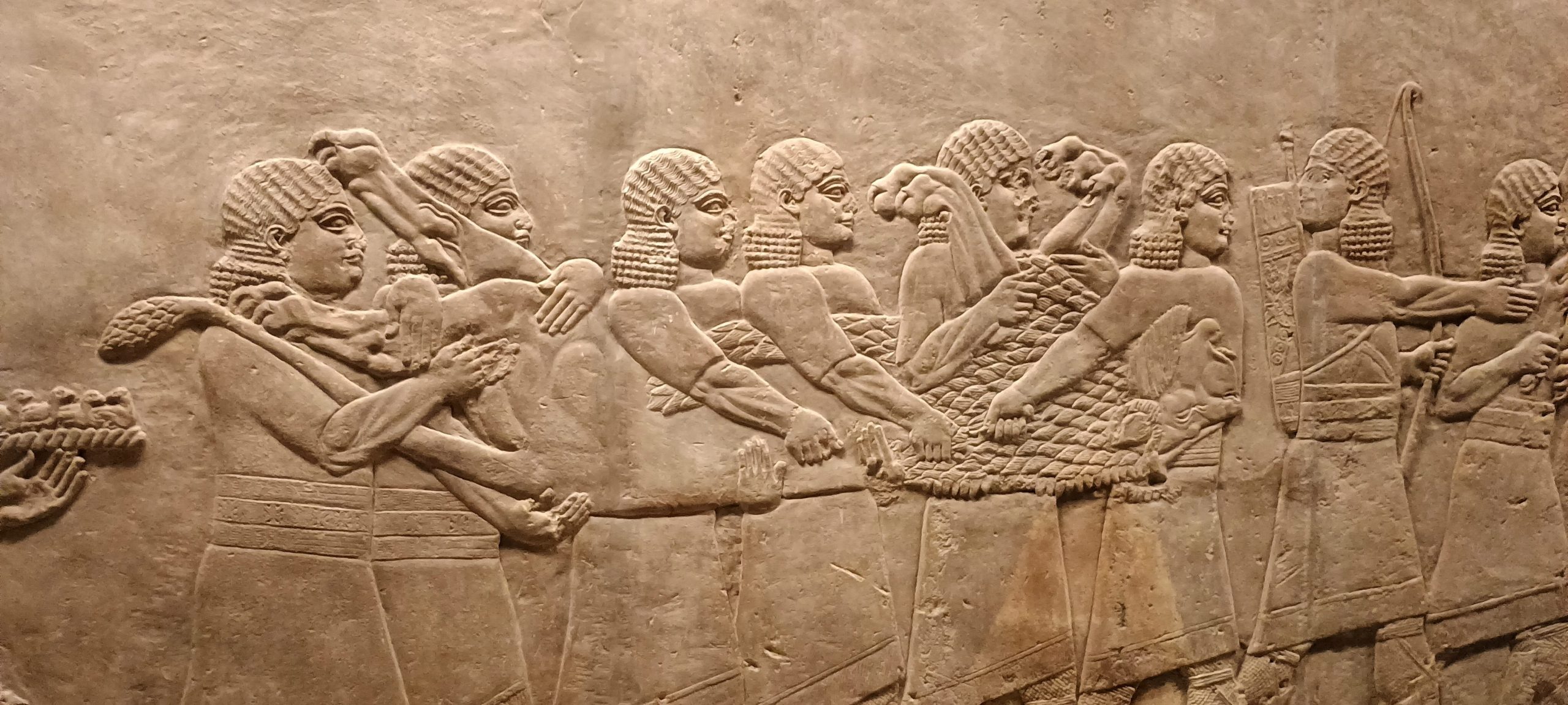
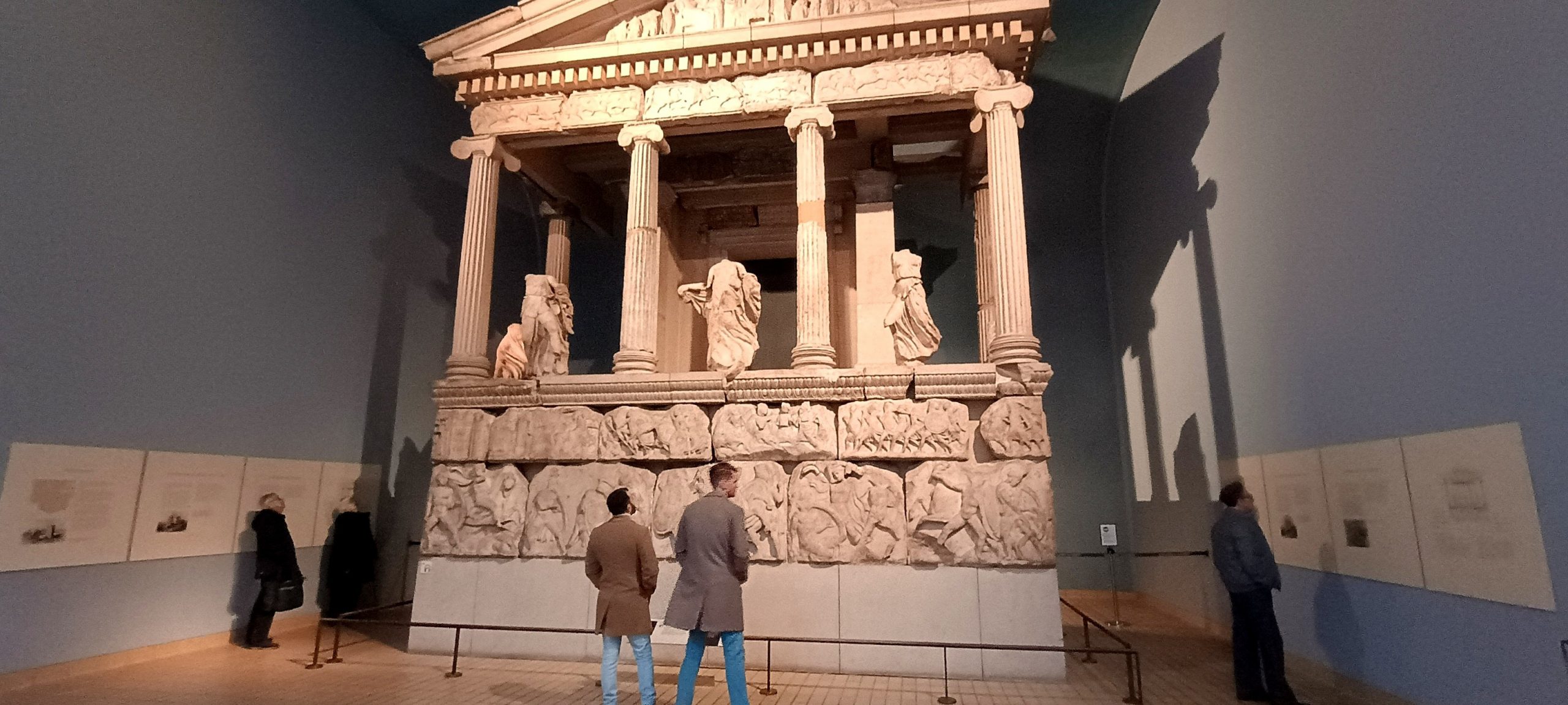
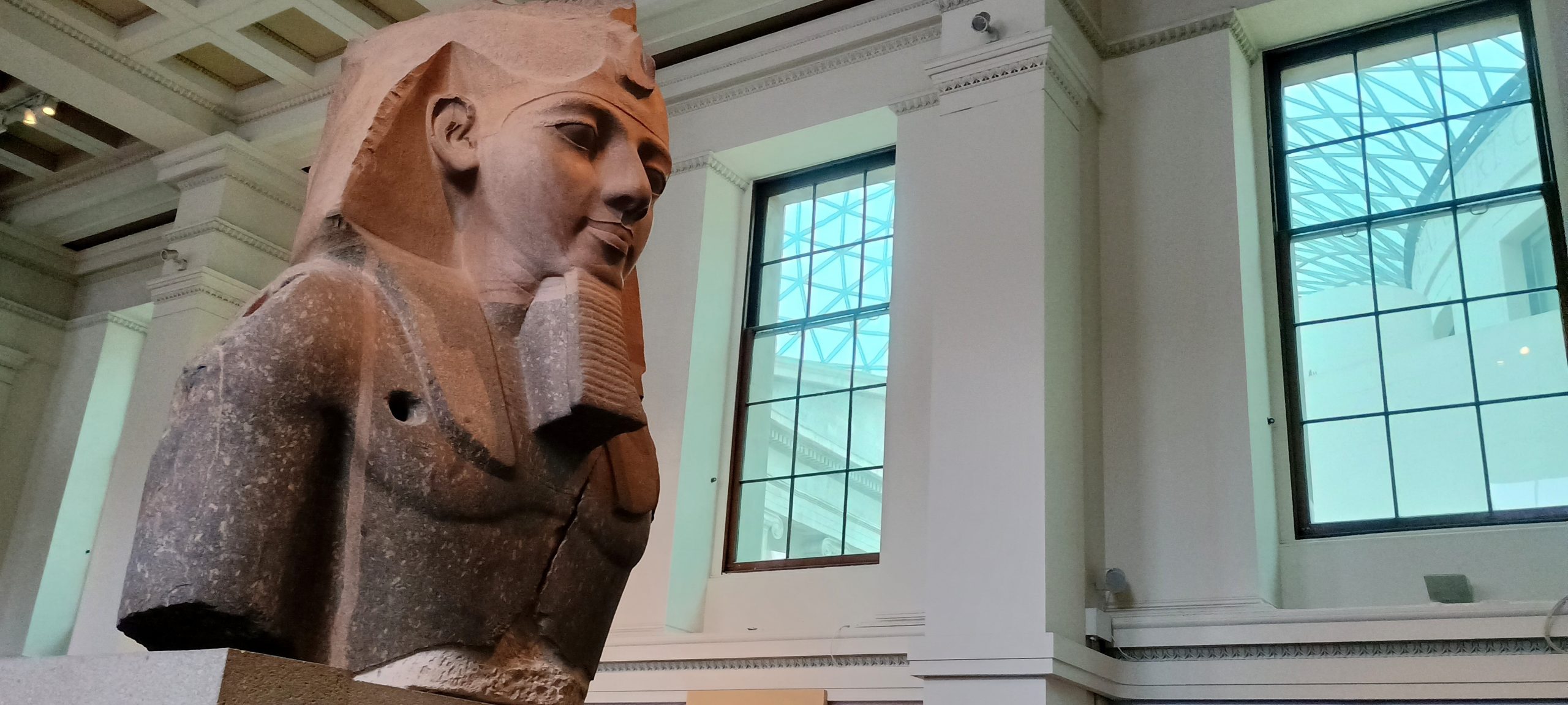
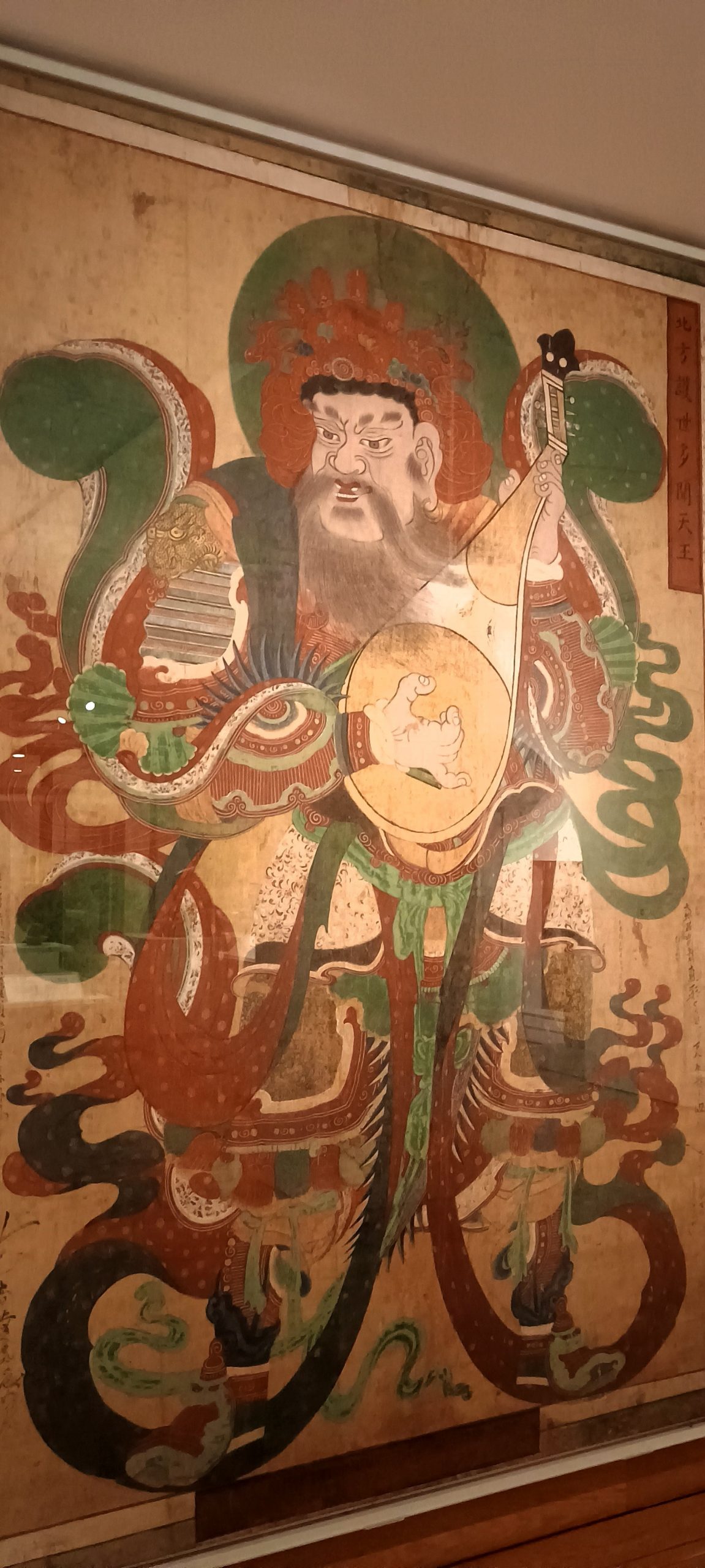
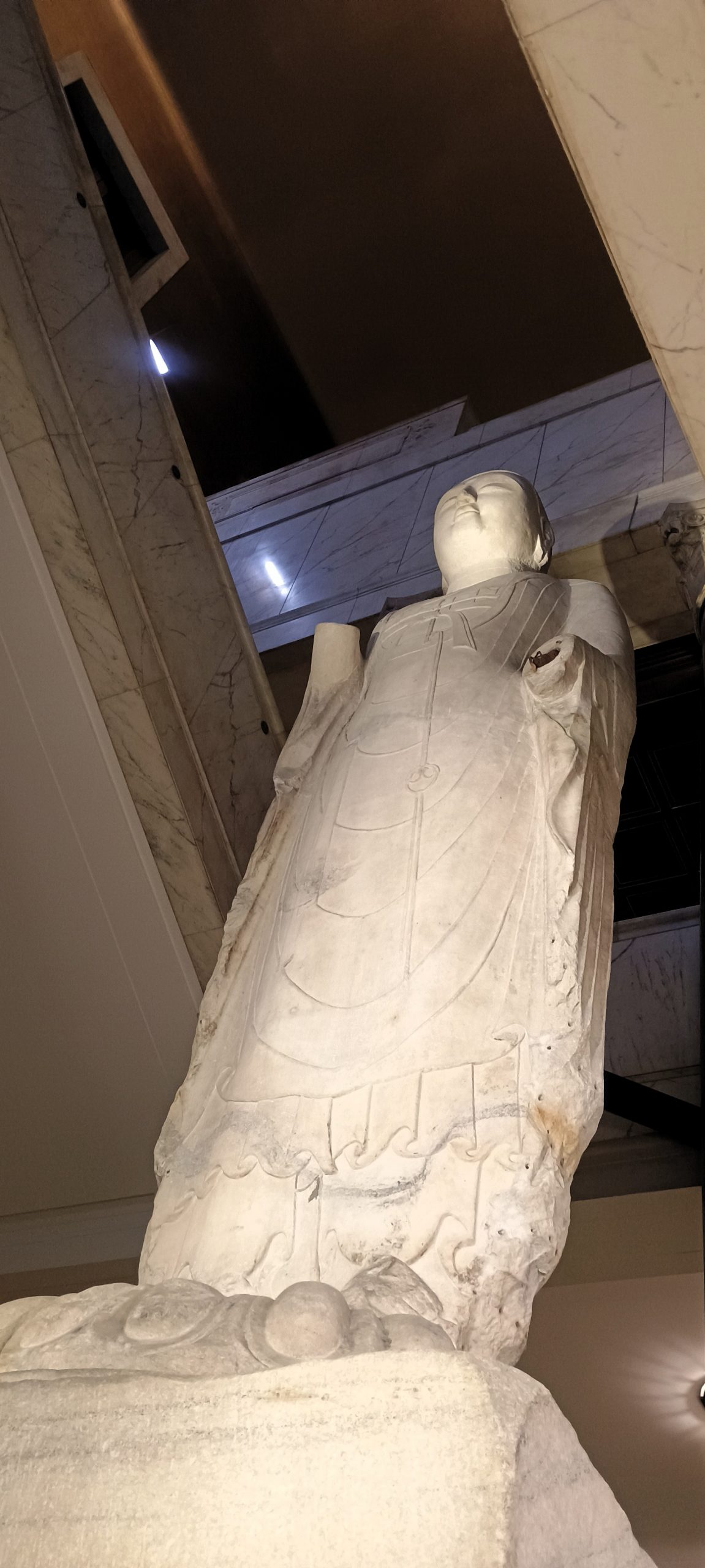

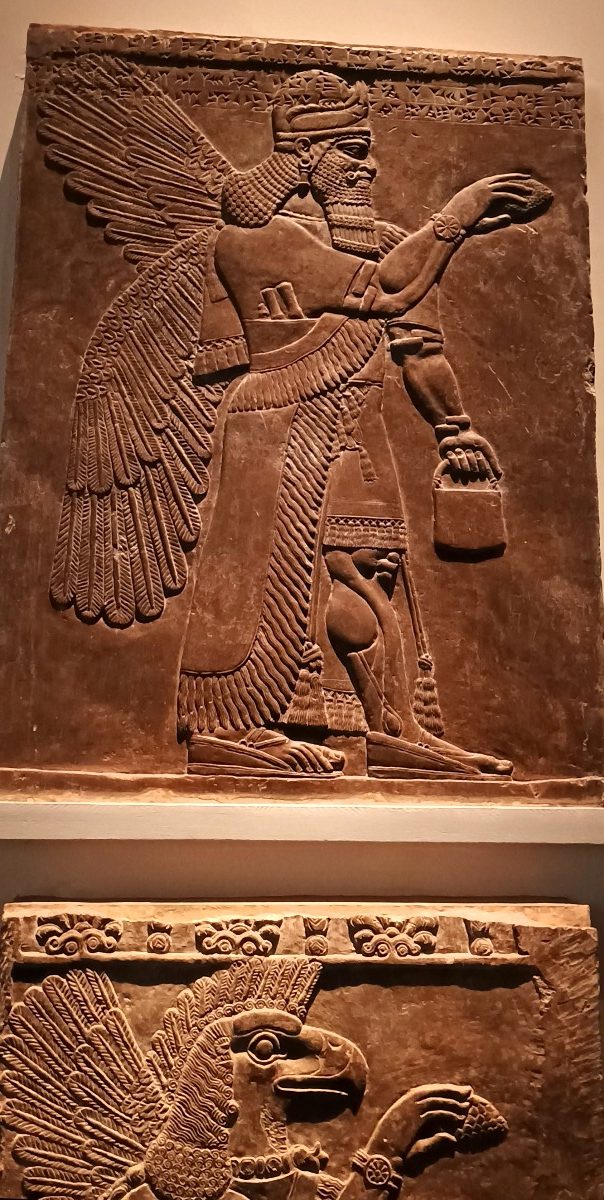
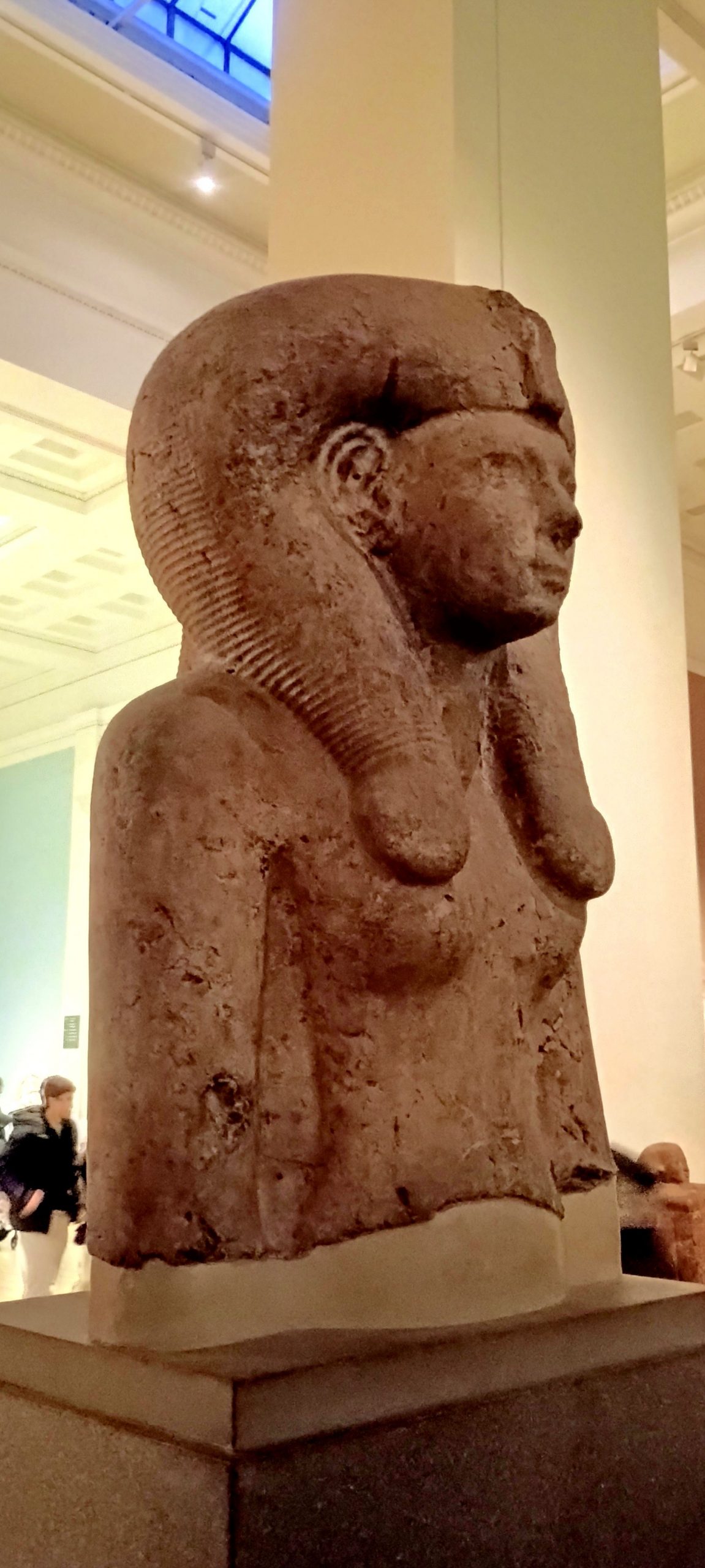
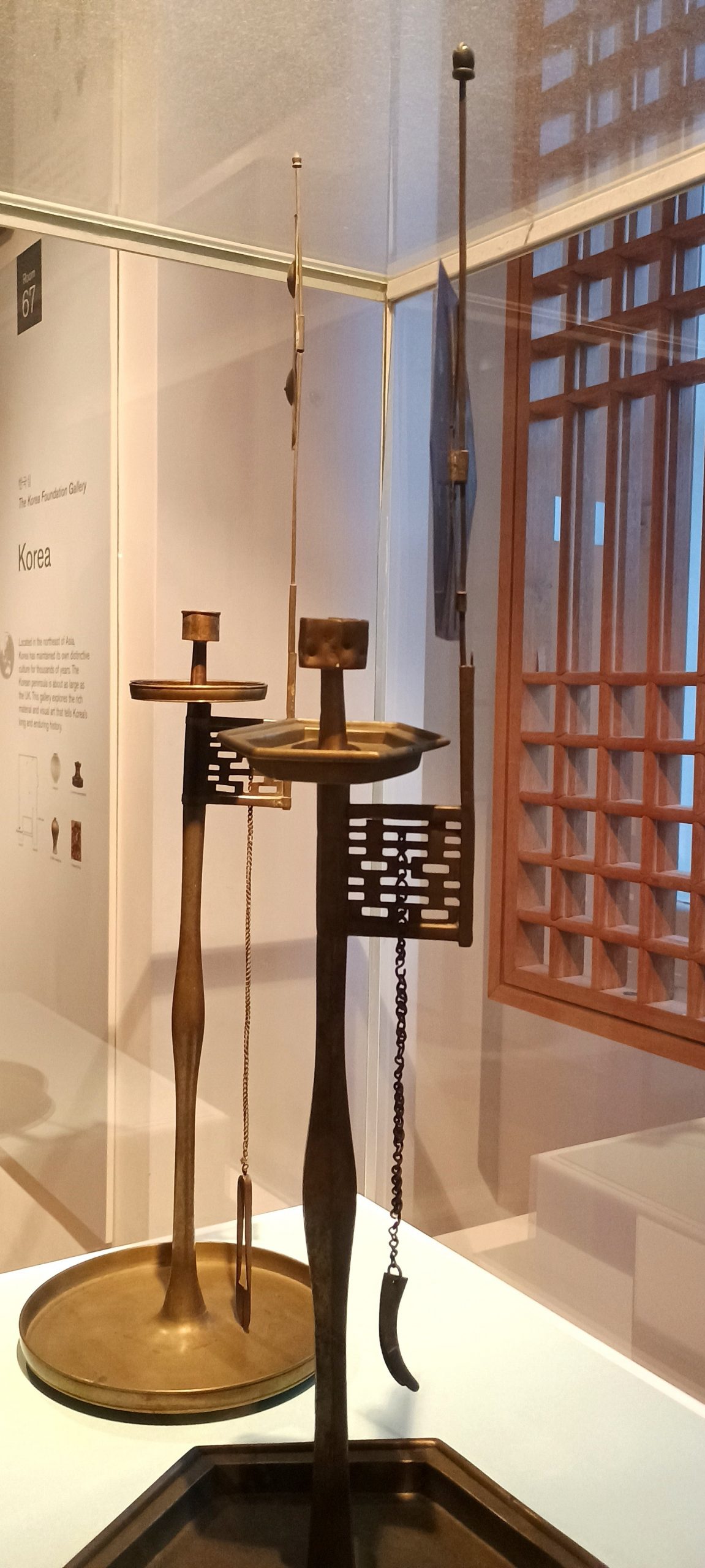
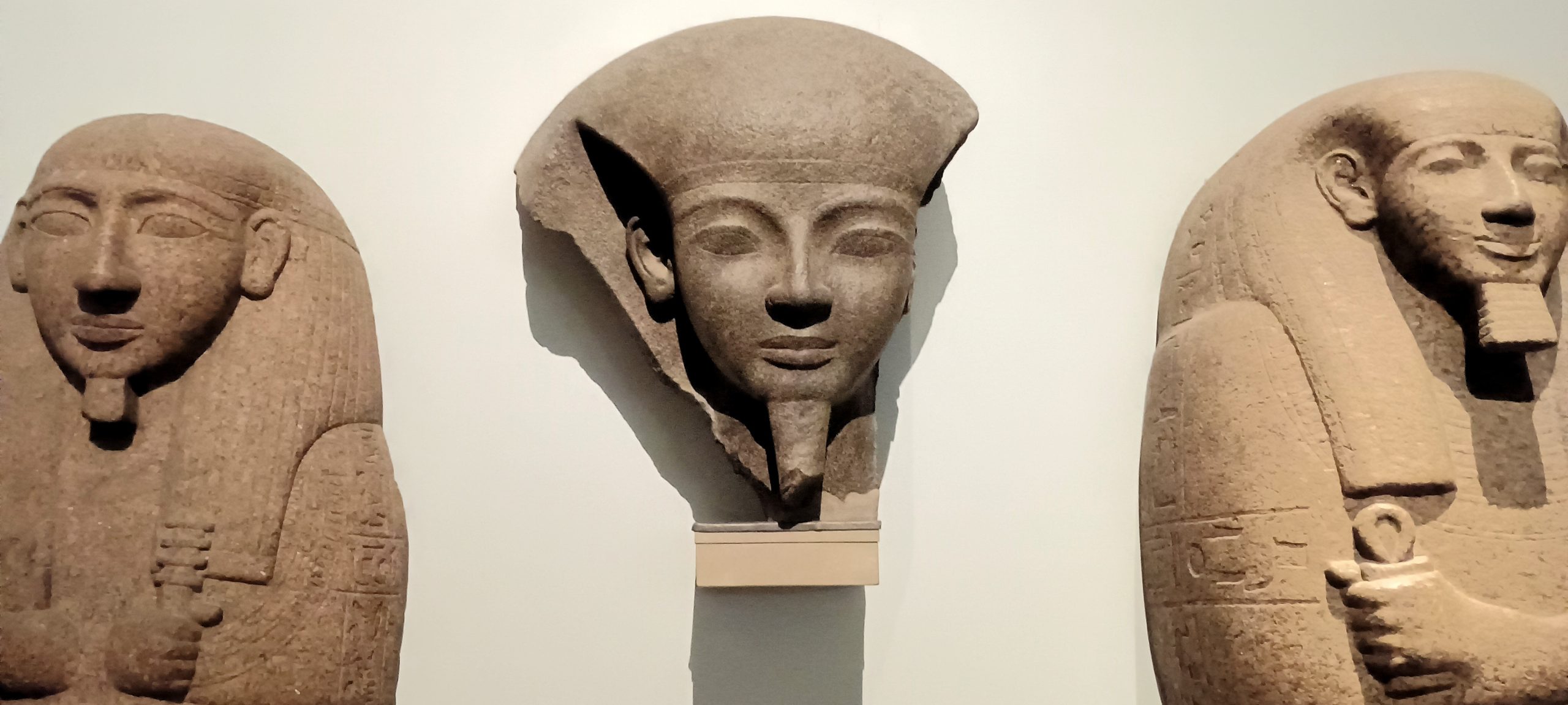
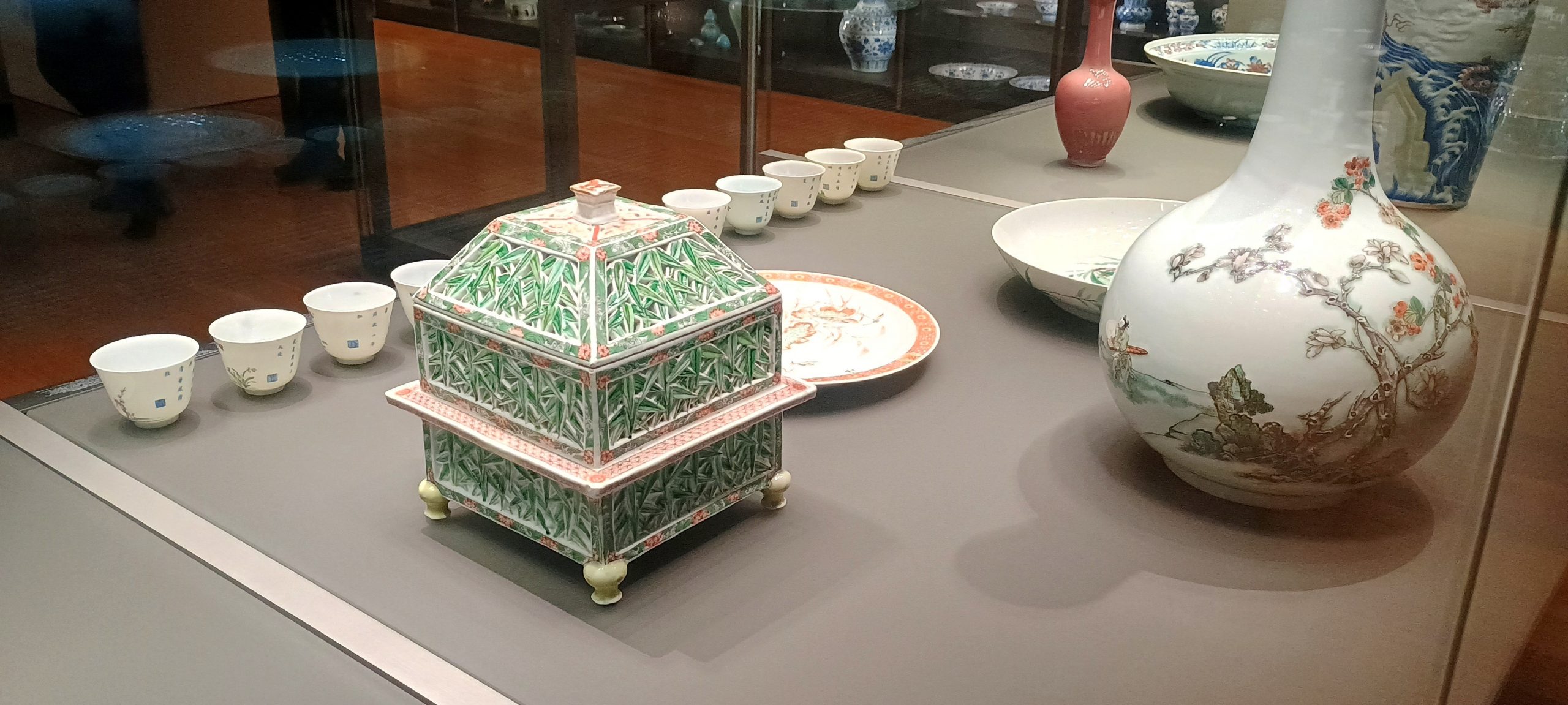

The Rosetta Stone actually has a story about it. I think it was actually pillaged from its local area and installed to build a fortress of some sort. This was common, it was common for armies to take random stones (even burial stones) and use them to build defensive walls. So someone noticed that a wall in a French fortress (I think) was actually some sort of stone that could decipher three different languages. This was important because one of the languages (I think Egyptian) wasn’t decipherable. This stone helped modern humanity to decipher Egyptian script. So someone noticed this stone in a fortress and after some war was decided they dug this stone out and sent it off to England. Dan’s recount of the Rosetta Stone story. It’s probably half correct so definitely look it up.

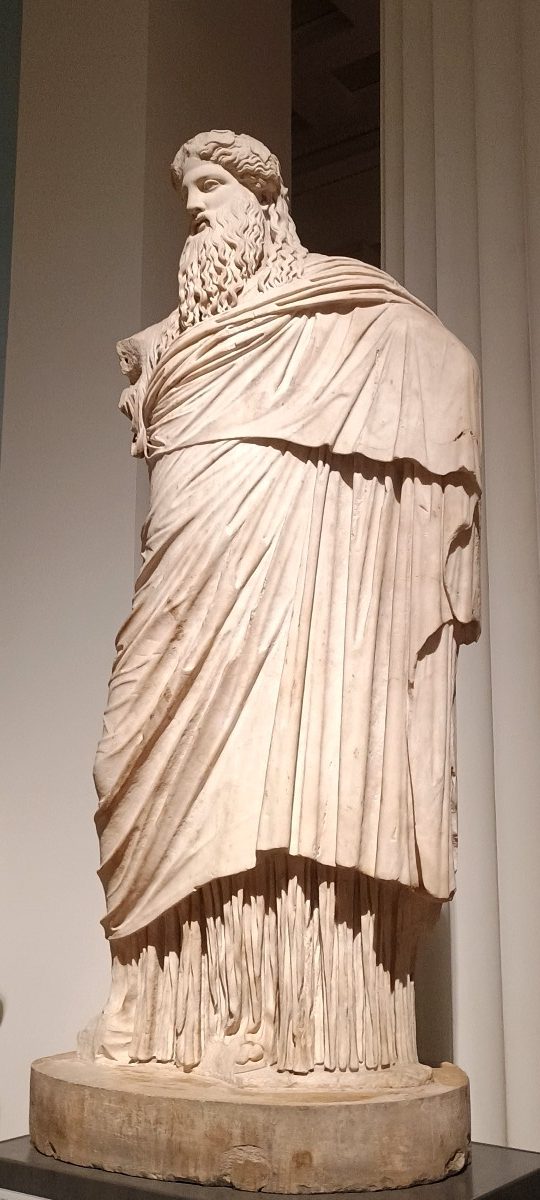
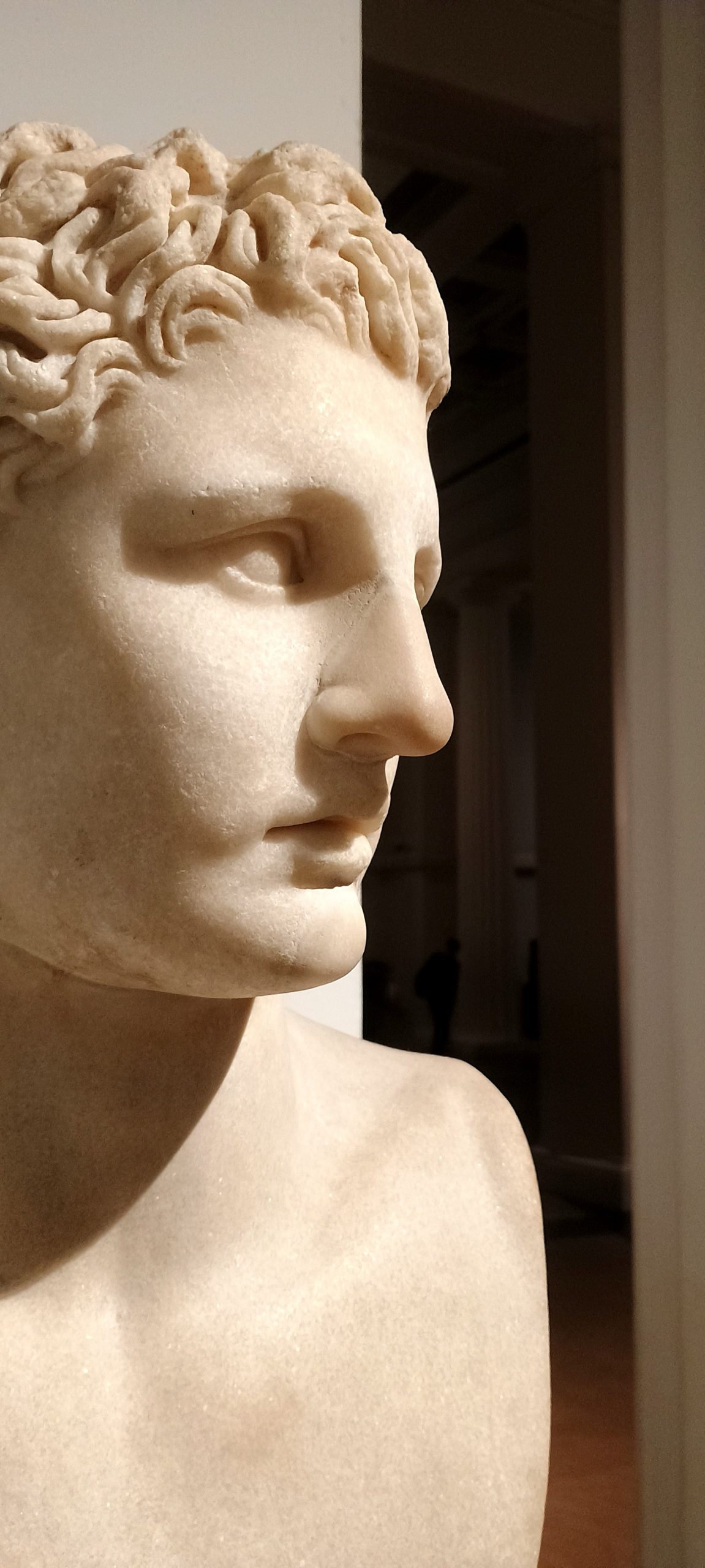


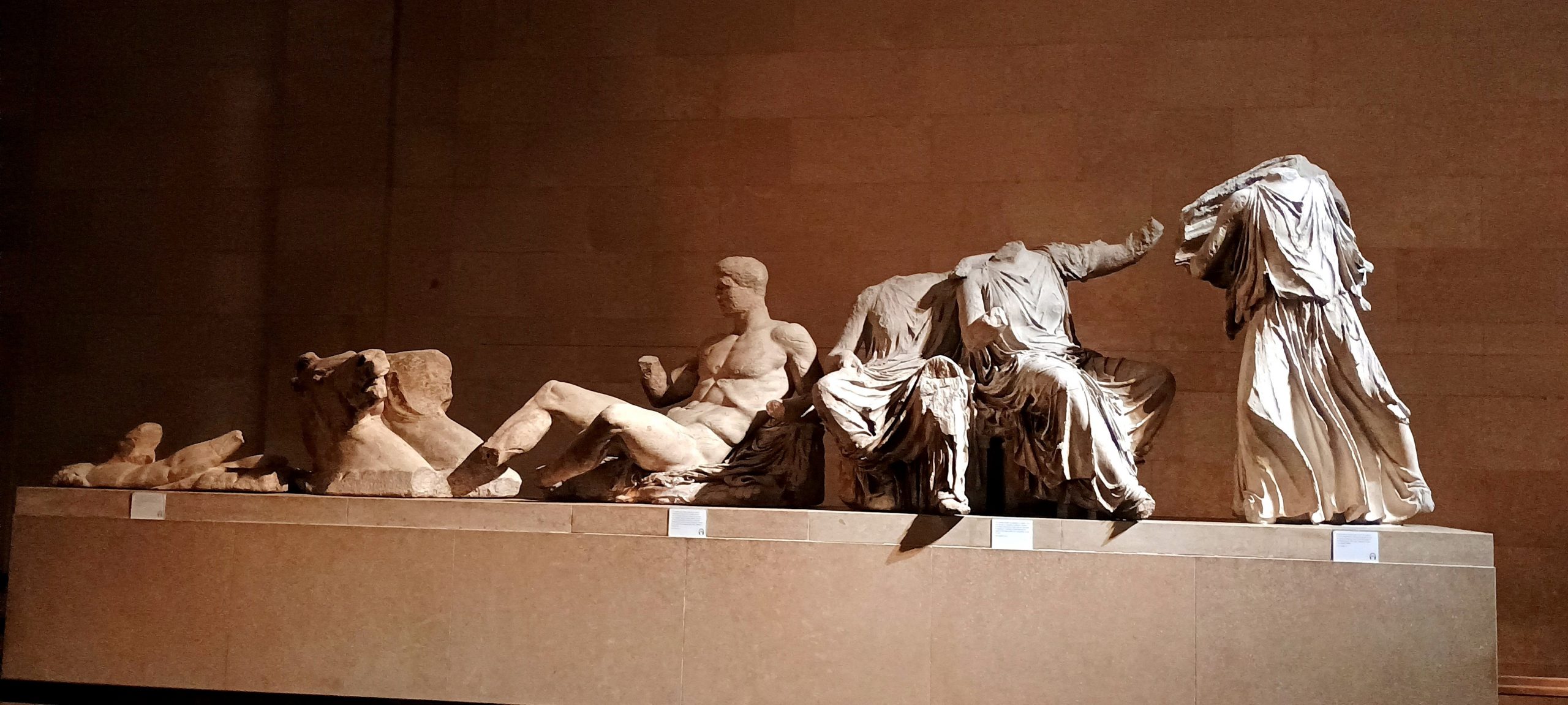
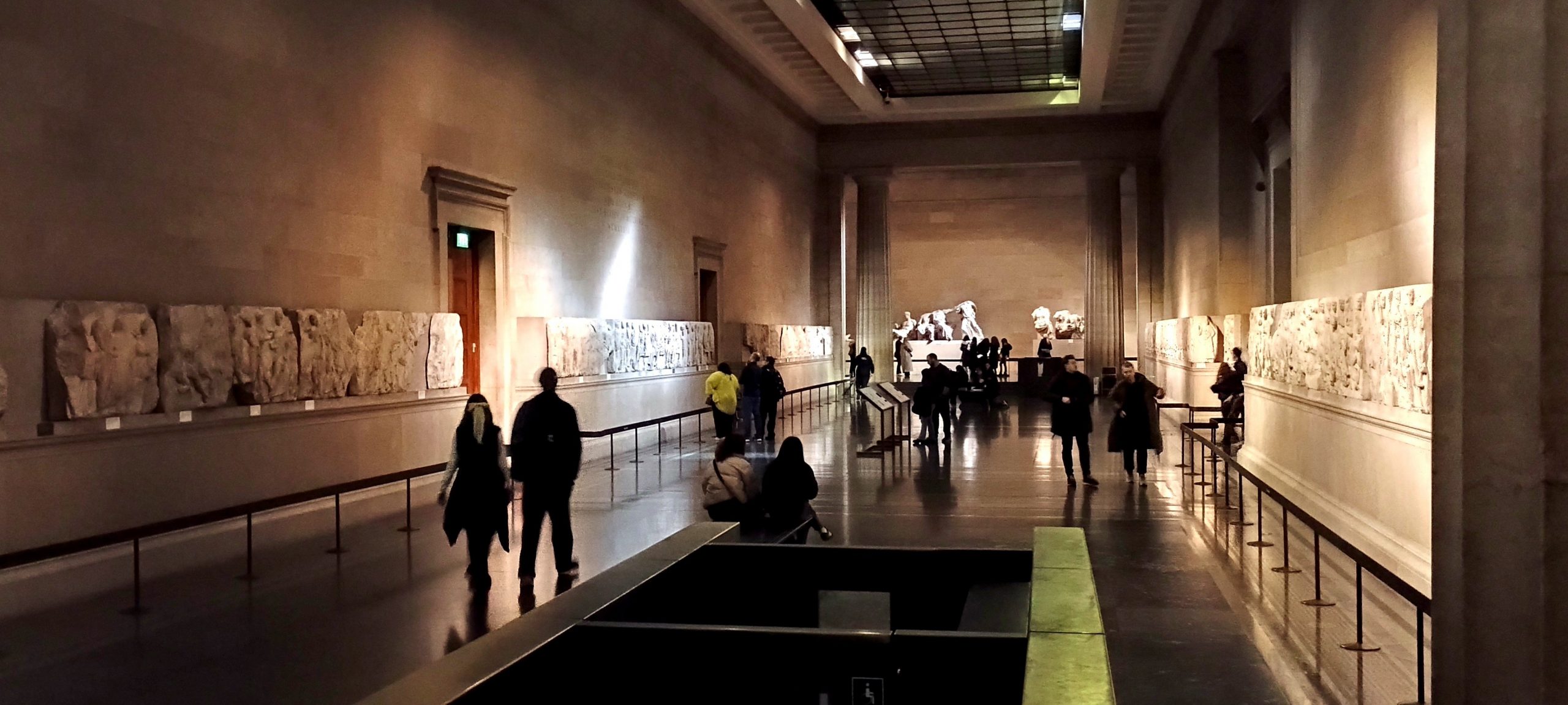
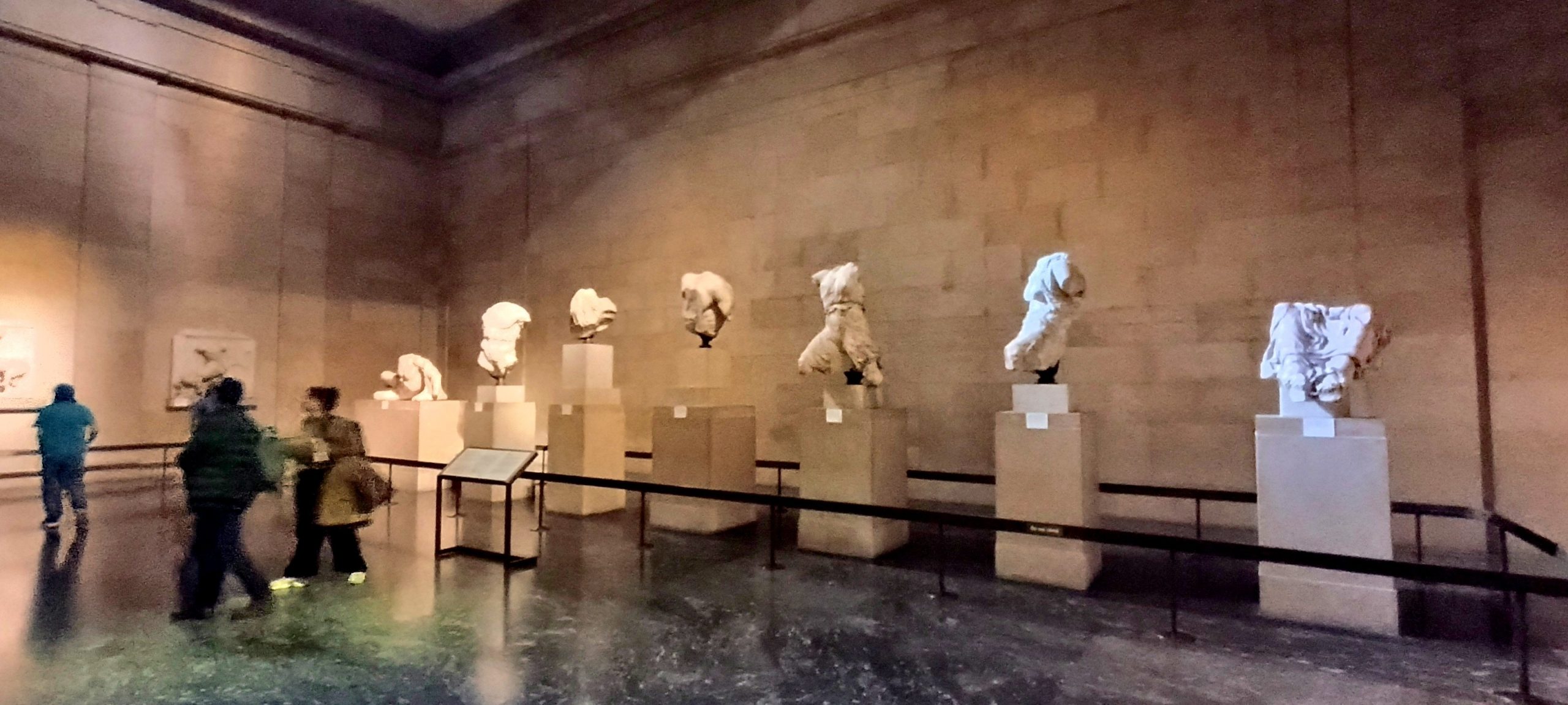
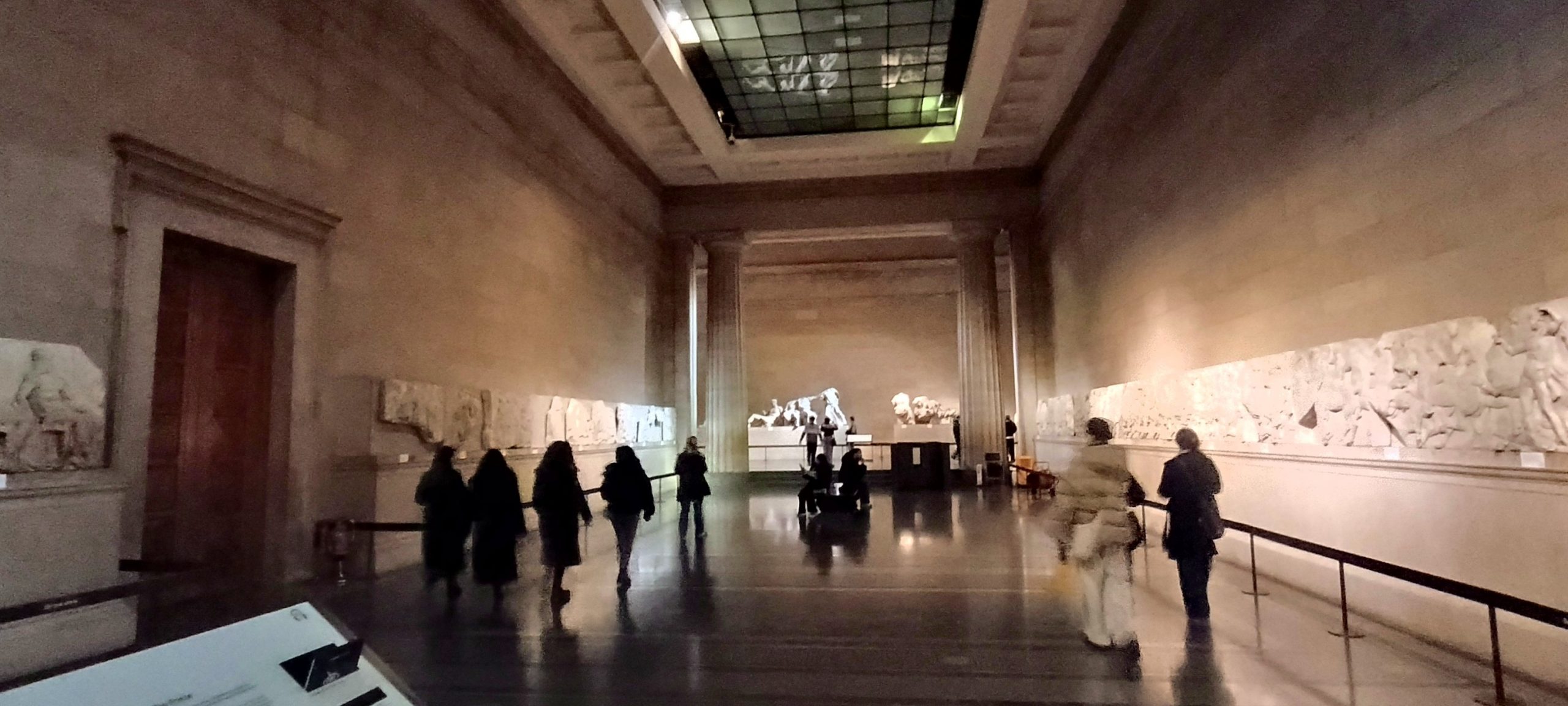
I love this painting. It’s a painting of the artifacts the British took (legally) from the Parthenon. This room is filled with these artifacts. It was a great success for the British as the artifacts were supposedly just decomposing on the ground after the Pantheon was accidentally rapidly deconstructed by gunpowder (check out that story!).